
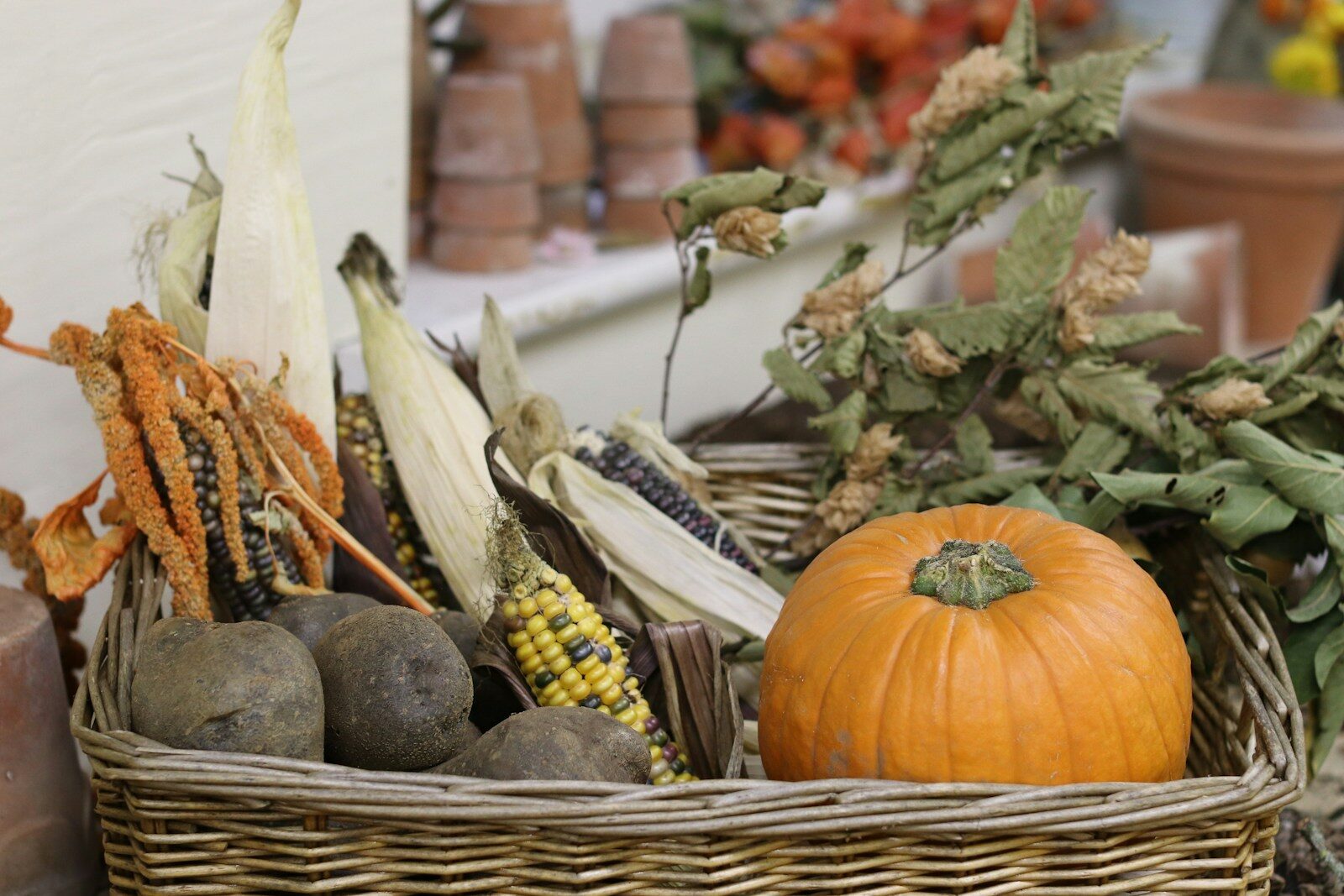
Quick answer: The healthiest fall foods include pumpkin, sweet potatoes, apples, butternut squash, Brussels sprouts, cranberries, and pumpkin seeds. These seasonal foods are rich in fiber, vitamins A and C, and antioxidants that support immune health, digestion, and overall wellness — exactly what your body needs as the temperatures drop.
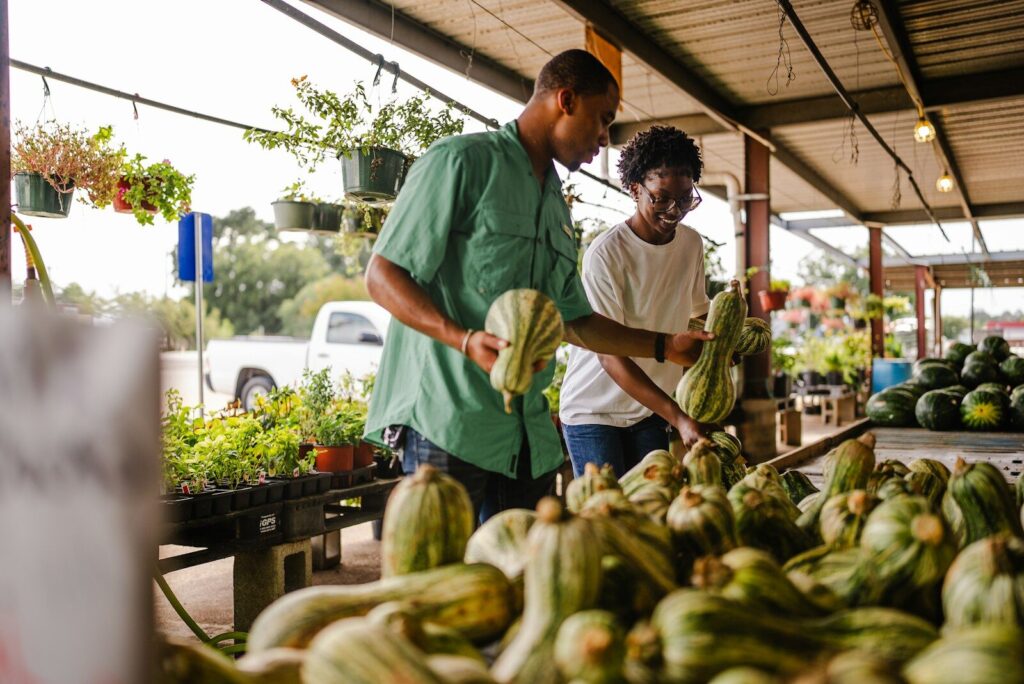
Walk through any farmers market between September and November, and you’ll notice something remarkable. The stalls overflow with deep oranges, rich purples, and vibrant greens — a visual reminder that the harvest season is one of nature’s most generous. As the days grow shorter and the air crisps up here in Seattle, what we eat becomes one of the most powerful tools we have for staying well.
As a naturopathic doctor, I see this shift as an opportunity. Fall isn’t just a beautiful season — it’s a natural invitation to nourish your body with some of the most nutrient-dense foods of the year. Understanding which foods to prioritize, and why, can make a real difference in how you and your family feel through the cooler months ahead.
Why does eating seasonal fall produce matter for your health?
There’s a good reason to eat with the seasons. Research shows that once produce is harvested, its nutritional quality begins to decline over time. Water-soluble vitamins — particularly vitamin C and B vitamins — are especially vulnerable. When you choose produce that’s been harvested recently and consumed fresh, you preserve those nutrients in a way that out-of-season, long-traveled produce simply can’t match.
Seasonal eating also connects your body to nature’s rhythms. Fall foods are naturally packed with the very nutrients that prepare us for cold and flu season: fiber for gut health, vitamin A for immune defense, and antioxidants that fight cellular inflammation. Your body doesn’t need convincing — it’s already primed to benefit.
What are some healthy foods to eat in the fall?
Here’s a closer look at the fall produce I recommend most for your family’s table:
- Pumpkin — Rich in beta-carotene, which your body converts to vitamin A for eye health and immune support, and low in calories. It works beautifully in soups, chilis, and roasted dishes.
- Sweet Potatoes — Packed with potassium, fiber, and complex carbohydrates that help steady blood sugar and support healthy blood pressure. Their deep orange color signals high beta-carotene content, which also supports gut health and vision.
- Apples — High in pectin, a soluble fiber that promotes heart health and digestion. Studies suggest that consuming apples may help improve cholesterol levels. They’re also a great source of vitamin C heading into cold season.
- Winter Squash — Varieties like butternut and acorn deliver filling fiber and significant amounts of vitamins A and C. Research confirms that winter squash is rich in carotenoids and flavonoids with wide-ranging health benefits.
- Brussels Sprouts — These cruciferous vegetables contain vitamin C, carotenoids, and vitamin K1. Their antioxidants help lower inflammation and protect cells. Try roasting them with olive oil, garlic, and paprika for a crispy, crowd-pleasing side dish.
- Cranberries — Small but nutritionally mighty, cranberries are full of polyphenols that support heart health and cognitive function. Toss them into salads, oatmeal, or homemade trail mixes.
- Pumpkin Seeds (Pepitas) — An excellent source of magnesium, zinc, and healthy fats. According to Cleveland Clinic, pumpkin seeds may help reduce the risk of high blood pressure, support heart function, and even improve sleep quality. Roast them with your favorite spices and sprinkle them over soups or salads.
What is the best food to eat in autumn?
There is no one food that will deliver all of your nutrition. I think picking seasonal foods that you really enjoy is always your best bet. But if I had to pick one fall food out of all the autumnal produce available, butternut squash deserves a shout out! It’s one of my top picks — and the numbers tell you why.
According to WebMD, one cup of baked butternut squash provides:
- 82 calories
- 6.6 grams of fiber — supporting digestion and healthy weight
- More than 100% of your daily vitamin A requirement
- Nearly 40% of your daily vitamin C
- About 12% of your daily potassium
That potassium content helps regulate blood pressure and supports heart health. The lutein and zeaxanthin in butternut squash protect your eyes from UV damage. And its low glycemic index means its carbohydrates are digested slowly, helping to keep blood sugar stable throughout the day.
Versatile and comforting, butternut squash blends beautifully into creamy soups, roasts well in sheet-pan meals, and adds depth and nutrition to chilis.
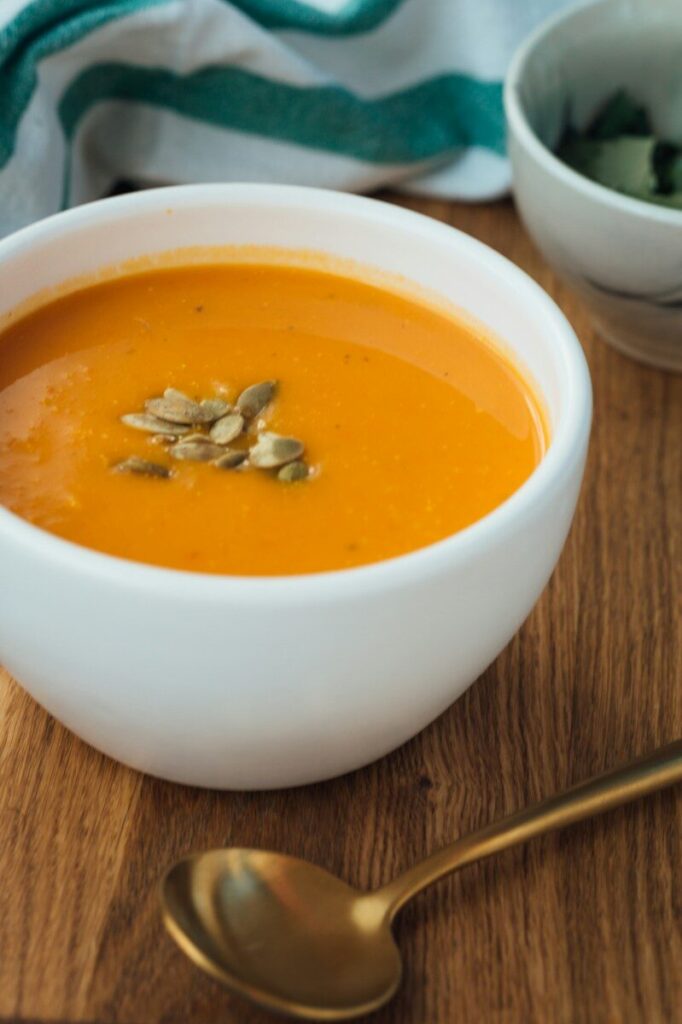
Simple Fall Recipe: Creamy Butternut Squash Soup
This whole-food, plant-based soup is as nourishing as it is delicious. It’s one of my favorites for a reason — it’s simple, warming, and packed with fall nutrition.
Ingredients:
- 3 lbs butternut squash (medium-large)
- 1 yellow onion, chopped
- 2 ribs celery, diced
- 3–4 cloves fresh garlic
- 1 tablespoon fresh ginger, grated
- Fresh sage and rosemary
- 2 tablespoons avocado oil
- 4 cups vegetable broth
- Salt and freshly ground pepper, to taste
- Fresh parsley and pepitas, to garnish
Instructions:
- Heat avocado oil in a large pot. Add onion with a pinch of salt and pepper, sautéing until translucent.
- Add cubed butternut squash and cook until it begins to soften.
- Stir in garlic, ginger, sage, and rosemary — rosemary adds wonderful cozy complexity and carries its own health benefits.
- Pour in vegetable broth and bring to a simmer. Cook for about 20 minutes, until the squash is completely tender.
- Transfer to a blender and blend until smooth and vibrantly orange, or use an immersion blender.
- Pour into bowls, garnish with chopped fresh parsley and pepitas, and serve warm.
This soup works as a starter, a side dish, or a satisfying main course. Make a double batch and freeze portions for easy weeknight meals.
Practical tips for adding more fall foods to your family’s routine
Getting more seasonal produce into your daily meals doesn’t have to feel complicated. A few simple shifts can make a big difference:
- Shop at farmers markets from September through November for the freshest, most nutrient-rich produce available.
- Bake apples with cinnamon and nutmeg for a naturally sweet dessert or breakfast topping the whole family will love. You have to try it on oatmeal!
- Build harvest salads by mixing kale or arugula with chopped apples, walnuts, and roasted sweet potatoes.
- Batch-cook butternut squash or your favorite winter squash and use the purees in soups and chilis all season long.
- Roast Brussels sprouts with olive oil, garlic, and smoked paprika — even skeptics tend to enjoy them this way.
Small, consistent choices like these add up quickly. Your immune system, your digestion, and your energy levels will all feel the difference.
Nourish Your Family This Fall — Starting with a Personalized Plan
Fall foods offer your family a natural path to stronger immunity, better digestion, and sustained energy through the cooler months. By choosing seasonal produce, you’re selecting foods at their nutritional peak — foods that work with your body, not against it.
But every person’s health needs are different. What nourishes one body may not be the right fit for another. That’s where personalized naturopathic care makes all the difference.
I invite you to schedule a consultation with me here at Roots of Health. Together, we’ll build a customized health plan that reflects your unique needs, health goals, and lifestyle — one that helps you and your family make the very most of this season’s healing foods and beyond.
Frequently Asked Questions
Why is eating seasonal fall produce better for your health than buying out-of-season produce?
Seasonal produce is harvested and consumed close together, which preserves water-soluble vitamins like vitamin C and B vitamins that degrade over time. Research confirms that the nutritional quality of fruits and vegetables declines after harvest — so fresher really does mean more nutritious.
What fall foods are best for supporting the immune system before cold and flu season?
Pumpkin, butternut squash, and sweet potatoes are all rich in beta-carotene and vitamin A, both critical for immune function. Brussels sprouts and apples provide vitamin C. Pumpkin seeds supply zinc, another key player in immune defense. Choosing a variety of these foods throughout fall gives your immune system broad, layered support.
Is squash good for weight management?
Yes. One cup of baked squash is low calories and high in fiber making it both filling and nutrient-dense. High fiber content supports healthy digestion, and a low glycemic index means it won’t spike blood sugar — both important factors for sustainable weight management.
How can I get my family to eat more fall vegetables?
Roasting is one of the most effective techniques — it brings out natural sweetness and creates satisfying textures even picky eaters tend to enjoy. Try roasted Brussels sprouts with garlic and paprika, baked apples with cinnamon, or creamy squash soups. Involving children in the cooking process can also increase their willingness to try new foods.
When should I see a naturopathic doctor about my family’s nutrition?
If you or a family member experiences low energy, frequent illness, digestive issues, hormone imbalances, or other recurring health concerns, a naturopathic doctor can help identify root causes and create a personalized nutrition plan. Seasonal transitions — like the shift into fall — are an ideal time to reassess your health and set new wellness goals.