
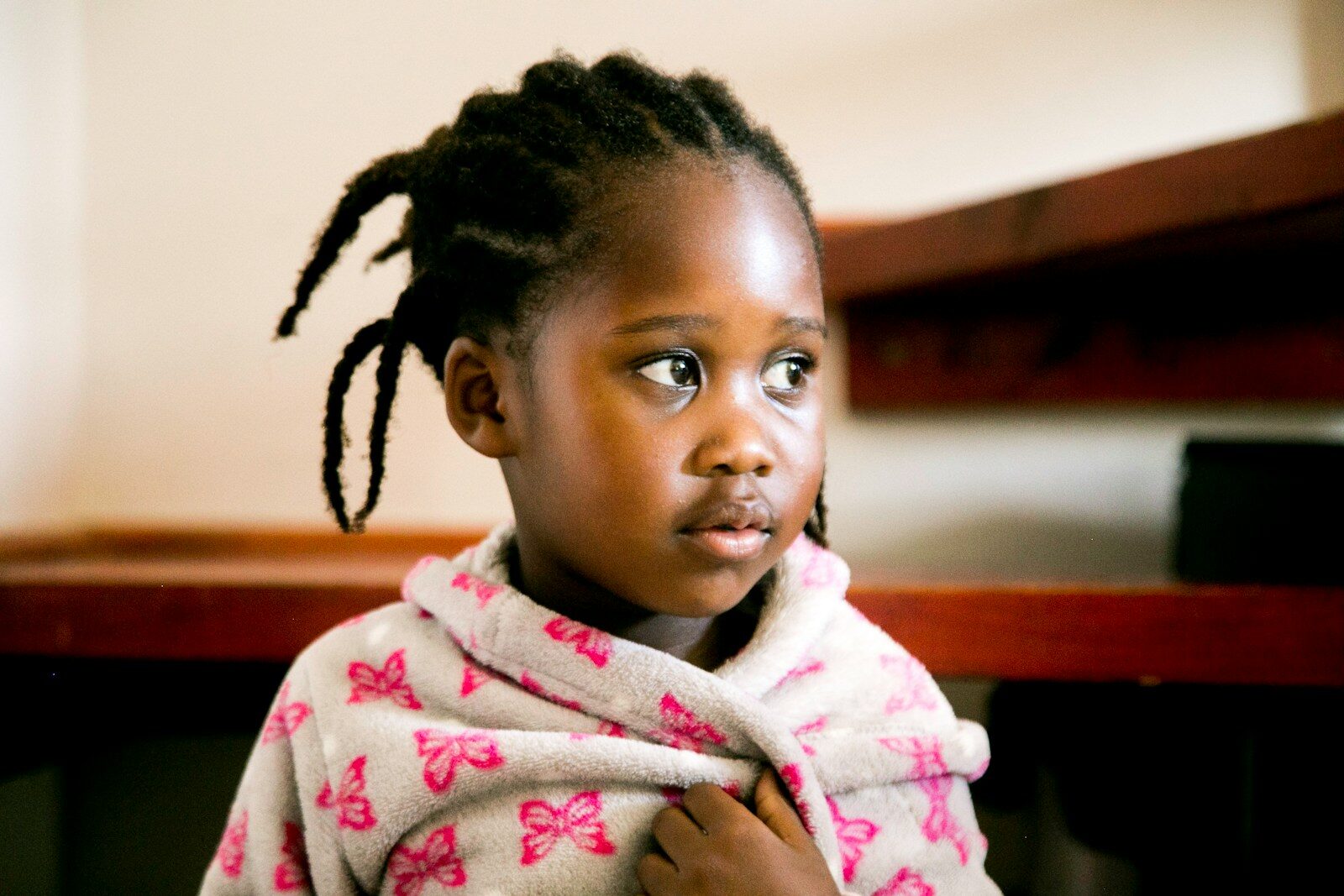
Quick answer: Keeping your family healthy during back-to-school season comes down to four foundational habits: consistent sleep, balanced nutrition, proper hand hygiene, and staying current on vaccinations. Layering in daily movement and checking in on your child’s emotional wellbeing rounds out a holistic approach that supports their immune system and helps them thrive both in and out of the classroom.
There’s something bittersweet about back-to-school season, isn’t there? You’re celebrating new backpacks and fresh starts, while quietly bracing yourself for the inevitable parade of sniffles, sore throats, and stomach bugs that seem to circulate the moment kids return to shared classrooms. If you’ve felt that mix of excitement and dread before, you’re not alone.
The good news is that you have more influence over your family’s health this season than you might think. A few consistent, evidence-based habits, started now, can make a real difference in how well your children weather the germs, stress, and schedule changes ahead. As a naturopathic physician, I look at these habits not as a checklist to rush through, but as an opportunity to build a foundation your family can lean on all year long.
Let’s walk through what actually matters this season, and how you can put it into practice starting today.
Why Do Sleep, Nutrition, and Hydration Matter So Much for Back-to-School Health?
Sleep is one of the most underrated tools your child has for staying healthy. According to Families Fighting Flu, adequate sleep is essential for a strong immune system, and children need anywhere from 8 to 12 hours per night depending on their age. If summer sleep schedules have drifted (and whose hasn’t?), the transition back to early mornings can hit hard. Sleepy, whiny kids are no fun to deal with in the morning, so help them create their own sleep routines at night.
The fix doesn’t have to be dramatic. Start adjusting bedtimes gradually, a few weeks before the first bell rings, moving in small 15-minute increments rather than an abrupt overnight shift. This gentler approach helps your child’s internal clock recalibrate without the tears and battles that come with a sudden change.
Nutrition works hand in hand with sleep. A breakfast built around protein and whole grains — think eggs, yogurt, or peanut butter on whole-grain toast — provides steadier energy and focus than sugary cereals that lead to a mid-morning crash. And don’t underestimate hydration. Even as fall temperatures cool down, your child’s body still needs water to support concentration, digestion, and immune function throughout the school day.
What’s the Best Way to Teach Hand Hygiene and Prevent Classroom Germs?
Classrooms are, understandably, germ-sharing environments. Teaching your child proper handwashing technique is one of the simplest and most effective ways to interrupt that cycle. That means washing with soap and water for at least 20 seconds — roughly the time it takes to hum “Happy Birthday” twice — and covering hands’ surfaces thoroughly, not just a quick rinse. Packing hand sanitizer for moments when soap and water aren’t available gives your child another layer of protection between washes.
It also helps to know what you’re watching for. Flu symptoms in children can include fever, cough, sore throat, body aches, and fatigue, and they can escalate more quickly in kids than adults (Families Fighting Flu). If your child shows these signs, keeping them home isn’t just about their own recovery. It’s an act of care for the whole classroom community, giving other families a better chance at staying well too.
Ask your child’s teacher if they need any disinfectant wipes, hand sanitizer or tissues for the classroom! The kid you save from sickness may be your own!

How Do Vaccines Fit Into a Holistic Back-to-School Health Plan?
I know vaccines can be a nuanced conversation, and every family’s approach to health looks a little different. What I can say clearly is that an annual flu vaccination remains one of the most effective, well-studied ways to reduce your child’s risk of infection and prevent more serious complications. Staying current on COVID-19 vaccines and other routine immunizations offers similar protection.
A back-to-school checkup is a natural time to review where your child stands. It’s also a chance to have an open conversation with a trusted practitioner about your family’s specific health history, concerns, and goals, so you can make an informed decision that feels right for you.
Why Do Physical Activity and Mental Health Deserve a Place on Your Checklist?
Movement isn’t just about physical fitness. Regular activity supports immune function, improves mood, and helps children process the stress that comes with new routines, new teachers, and new social dynamics. Aim for roughly 60 minutes of movement a day, whatever form that takes for your family: a walk after dinner, a bike ride, or an impromptu dance party in the living room.
Emotional wellbeing deserves just as much attention as physical health. Back-to-school anxiety is real and common, showing up as stomachaches, irritability, or reluctance to talk about school. Simple check-ins — a few unhurried minutes at dinner or before bed — give your child space to share what’s on their mind before small worries grow bigger. And amid the busyness of fall schedules, protecting even brief pockets of family connection time helps everyone feel more grounded. Make a ritual of time together, be that cooking a meal, playing a video game or walking the dog, quality time is also quantity time when possible!
What Should Be on Every Parent’s Back-to-School Health Checklist?
Here’s a practical rundown to work through in the coming weeks:
- Schedule a back-to-school physical (and a sports physical, if needed) to catch any health concerns early
- Update school health paperwork for any chronic conditions, like asthma or allergies
- Pack nutritious lunches with fresh fruits, vegetables, and water instead of sugary drinks
- Disinfect frequently touched surfaces at home regularly, especially doorknobs, light switches, and shared devices
- Make a habit of washing hands when you get home from work and school!
Checking these off now means fewer scrambles once the school year is in full swing.
Building a Foundation That Lasts Beyond September
The habits you form now are so important to get your family through the first few weeks of school and it sets the tone for the whole year ahead! Small, consistent actions — an earlier bedtime here, a thorough handwash there, a few minutes of real conversation at dinner — compound into meaningful protection against illness and stress alike.
If you’re looking for personalized guidance on supporting your family’s immune health, managing stress, or navigating any health concerns this season, I’d be glad to help. Schedule a wellness consultation and let’s build a plan that works for your family’s unique needs.
Frequently Asked Questions
How much sleep does my child need for back-to-school season?
Children generally need 8 to 12 hours of sleep per night depending on their age, with younger children needing more. Start shifting bedtimes gradually a few weeks before school starts to ease the transition.
When should I keep my child home from school?
Keep your child home if they show flu-like symptoms such as fever, cough, sore throat, body aches, or fatigue. This protects their recovery and helps prevent illness from spreading to classmates.
Is the flu vaccine necessary if my child eats well and gets enough sleep?
Healthy habits like sleep and nutrition support your child’s overall immune function, but they don’t replace the specific protection a flu vaccine provides. Together, these approaches offer more complete protection than either one alone.
What are simple ways to support my child’s mental health during the school transition?
Regular check-ins during low-pressure moments, like during a car ride or at dinner, help children open up about school-related stress. Consistent family connection time and adequate sleep also play a meaningful role in emotional regulation.
How can I address back-to-school health concerns holistically?
A holistic approach considers sleep, nutrition, hydration, movement, and emotional wellbeing together, rather than addressing symptoms in isolation. Working with a naturopathic physician can help you identify a personalized plan that supports your child’s overall resilience.