
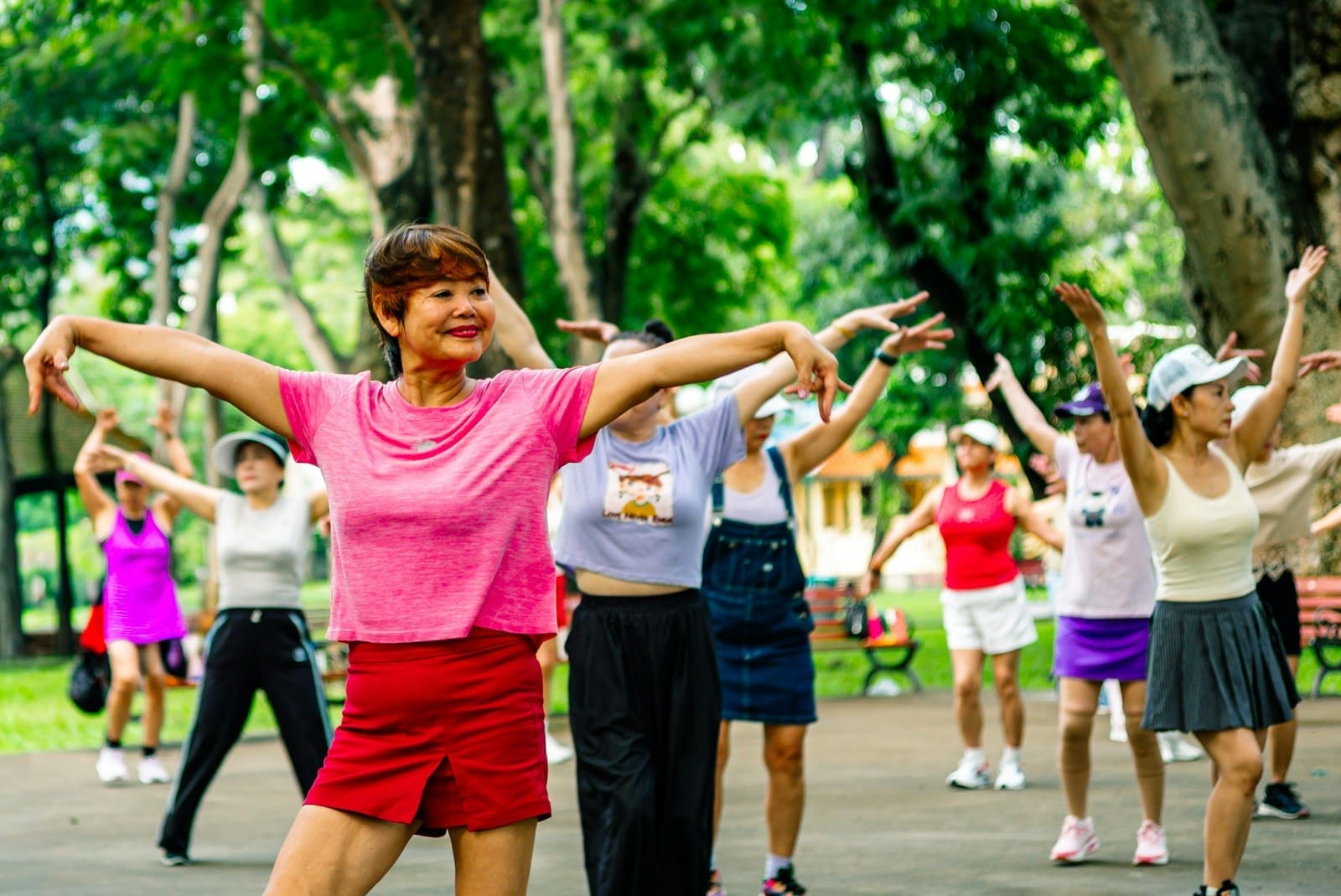
Are you getting enough exercise? What is the best exercise for women in menopause?
If you’ve noticed that your usual workout routine just isn’t yielding the same results, or if you’re feeling more fatigued and achy than you used to, you are certainly not alone. Menopause brings a significant shift in hormones—specifically a drop in estrogen—that can change how your body responds to physical activity. You might be dealing with unexpected weight gain, especially around the midsection, or perhaps you’re navigating mood swings and sleep disturbances that make hitting the gym feel like the last thing you want to do.
But here is the empowering truth: while your body is changing, it is not shutting down. Exercise remains one of the most powerful tools available to manage these symptoms and protect your long-term health. It’s not just about fitting into your favorite jeans; it’s about preserving your bone density, protecting your heart, and reclaiming your energy. Understanding which types of movement work best for this new chapter is the first step toward taking control of your health. Always remember that the best exercise for women in menopause is the one you enjoy doing, and that supports your health goals!
Why Exercise Matters Now More Than Ever
During the transition into menopause and beyond, the decline in estrogen does more than just stop your menstrual cycle. It accelerates bone loss, slows down your metabolism, and increases the risk of cardiovascular issues. However, a targeted exercise plan can act as a natural countermeasure to these physiological changes.
Managing Weight and Metabolism
As we age, we naturally lose muscle mass—a process that speeds up after menopause. Since muscle tissue burns more calories at rest than fat tissue does, this loss slows your metabolism. Exercise, particularly strength training, helps rebuild that metabolic engine. According to UCLA Health, strength training is critical because it helps you maintain muscle while losing fat, preventing the dreaded metabolic slowdown.
Protecting Bone Density
Osteoporosis is a silent concern for many women. Estrogen plays a key role in keeping bones strong, and when levels drop, fracture risk rises. Weight-bearing exercises signal your bones to rebuild and strengthen, acting as a protective shield against age-related bone loss.
Boosting Mood and Heart Health
The emotional rollercoaster of menopause is real. Physical activity releases endorphins that can alleviate anxiety and depression. Furthermore, aerobic exercise is essential for cardiovascular health, helping to lower blood pressure and improve circulation, which is vital since heart disease risk increases post-menopause.
Setting Your Personal Goals
You may have specific health and fitness concerns, “Can I really build muscle during menopause?” or “What exercise actually burns belly fat?” It’s important to speak to a healthcare professional about your needs. But to the question, “Is there still time to get into shape and improve my health?” The answer is a resounding yes! It is important to know you can improve your health at any age.
Your body is adaptable. While you might need to prioritize recovery more than you did in your 20s, you absolutely have the capacity to lose fat and build strength. The goal isn’t just to exercise more, but to exercise smarter, matching your movement to what your physiology currently needs.
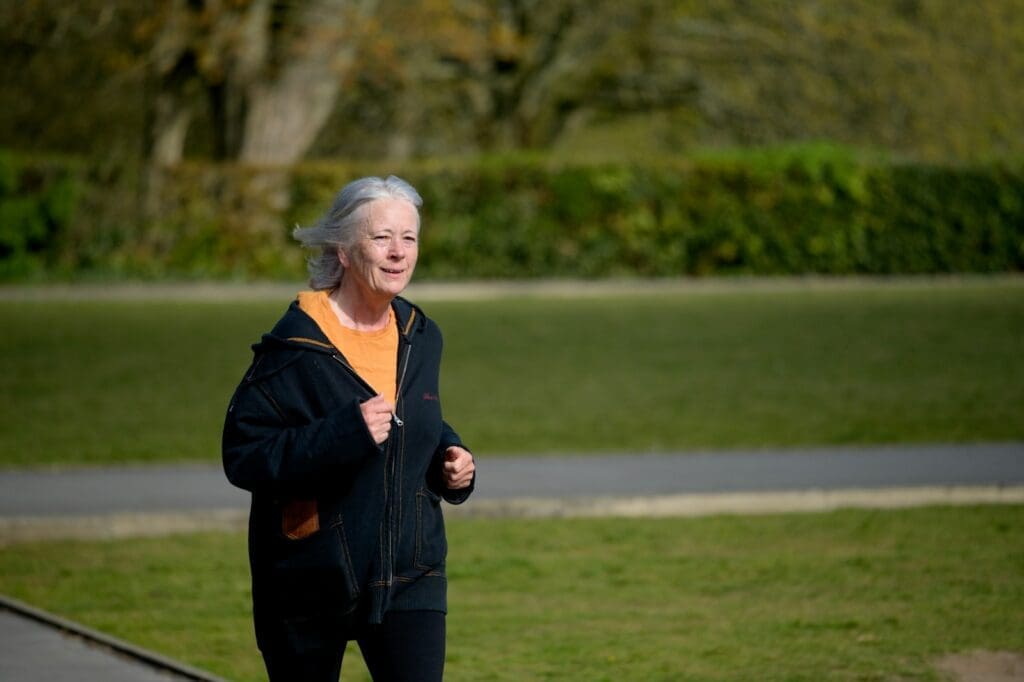
The Best Types of Exercise for Menopause
A balanced approach is the most effective strategy. Relying solely on cardio might not give you the bone-protective benefits you need, while only lifting weights might leave your cardiovascular system needing more. Here are the four pillars of a menopausal fitness routine.
1. Strength Training
If you only add one thing to your routine, let it be this. Strength training is the most effective way to combat the muscle and bone loss associated with lower estrogen levels.
- Benefits: Increases resting metabolism, improves bone density, and enhances functional strength for daily activities.
- Examples: You don’t need to become a bodybuilder. Use free weights, weight machines at the gym, resistance bands, or even your own body weight (squats, lunges, push-ups).
- Recommendation: Aim for at least two days of strength training per week on non-consecutive days to allow your muscles time to repair and grow.
2. Aerobic Exercise (Cardio)
Cardiovascular exercise remains the foundation for heart health and calorie burning. It helps manage weight and can be a great mood booster.
- Benefits: Lowers blood pressure, improves sleep quality, and supports mental clarity.
- Examples: Brisk walking, jogging, swimming, cycling, or dancing.
- Recommendation: As noted by the Mayo Clinic, aim for at least 150 minutes of moderate-intensity activity (where you can talk but not sing) or 75 minutes of vigorous activity per week.
3. Flexibility and Balance
As we age, our joints can become stiffer, and our balance may decline, increasing the risk of falls. Incorporating restorative practices is vital for injury prevention and stress reduction.
- Benefits: Improves posture, reduces joint pain, lowers cortisol (stress hormone) levels, and eases hot flashes.
- Examples: Yoga, Pilates, and Tai Chi.
- Recommendation: Try to incorporate these movements daily or at least a few times a week. Practices like yoga also offer a mental health benefit, helping you find calm amidst the chaos of hormonal shifts.
4. High-Intensity Interval Training (HIIT)
If you are struggling with “menopause belly,” HIIT might be the missing link. This involves short bursts of intense effort followed by rest.
- Benefits: Studies suggest HIIT is particularly effective for burning visceral fat (belly fat) and improving insulin sensitivity.
- How-to: Alternate between 30 seconds of high effort (like sprinting or fast cycling) and 1-2 minutes of recovery. Repeat for 15-20 minutes.
- Note: Because HIIT is intense, it puts more stress on the body. Start slowly and ensure you have adequate recovery days.
Creating a Balanced Routine
The secret to success is variety and consistency. You don’t need to do everything every day. A balanced week might look like this:
- Monday: 30-minute brisk walk + 20 minutes of strength training.
- Tuesday: Yoga or Pilates class.
- Wednesday: 20-minute HIIT session.
- Thursday: Rest or gentle stretching.
- Friday: 30-minute swim or cycle + 20 minutes of strength training.
- Saturday: Long walk with friends or hiking.
- Sunday: Rest and recovery.
Consistency beats intensity every time. Find activities you genuinely enjoy so that movement feels like a gift to your body rather than a punishment.
Key Considerations for Your Journey
Before diving into a new regimen, it’s wise to keep a few things in mind to stay safe and effective.
- Consult Your Provider: Especially if you have a history of heart issues or bone density concerns, check in with a healthcare professional.
- Listen to Your Body: Menopause can increase joint pain and fatigue. If you are exhausted, a gentle walk might be better than a heavy lifting session. Be kind to yourself.
- Stay Hydrated: Hormonal changes can affect fluid balance. Drink plenty of water before, during, and after exercise.
- Prioritize Recovery: As noted by experts at the University of Rochester Medical Center, recovery is just as important as the workout. Quality sleep and proper nutrition are essential for hormone balance.
Take the Next Step Toward Vitality
Navigating menopause is a journey, but it’s not one you have to walk alone. Regular exercise is a potent way to reclaim your vitality, strengthen your bones, and stabilize your mood. By prioritizing physical activity, you are investing in a vibrant, independent future. There is no magical list of definitive best exercises for menopause, but whatever movement you do is an investment in your present and future health.
If you are unsure where to start or feel like your current health strategies just aren’t working, we are here to help. Make an appointment today with us at Roots of Health. We can discuss your personalized health and fitness goals and create a comprehensive plan that honors your body’s unique needs.
