
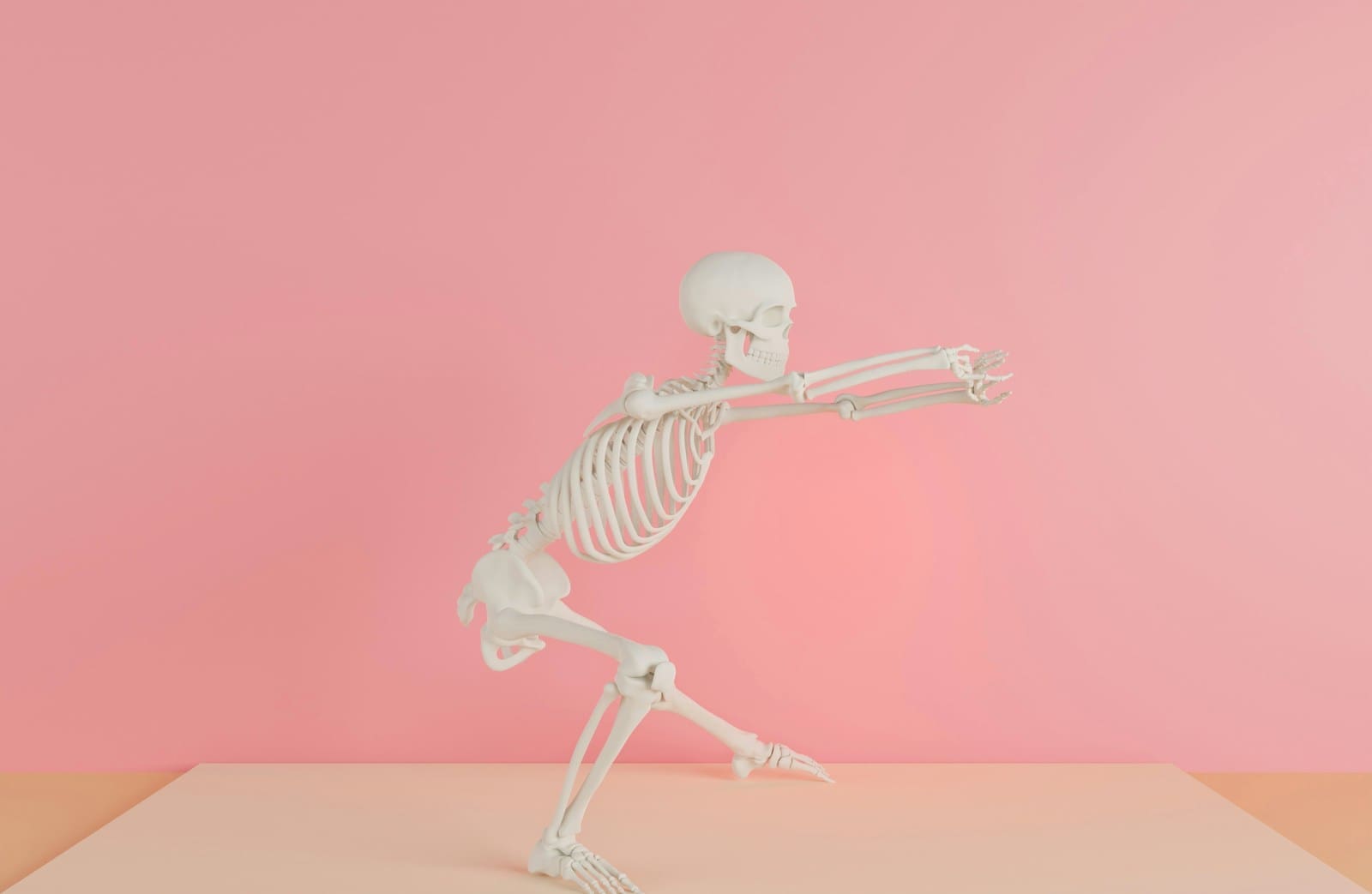
What are the symptoms of osteoporosis, and how do you fight it?
If you’ve recently felt a twinge in your back or noticed you’re not standing quite as tall as you used to, it’s easy to brush it off as just another part of getting older. But what if your body is trying to tell you something more?
For many women, bone health isn’t something we think about until a fracture happens. It’s the “silent” nature of bone loss that makes it so tricky—you can’t feel your bones getting thinner, and you certainly can’t see it happening in the mirror. Yet, keeping our bones strong is one of the most critical aspects of healthy aging.
Understanding osteoporosis is about more than just preventing breaks; it’s about preserving your independence, your mobility, and your zest for life. Whether you are navigating perimenopause, in the thick of menopause, or just looking to be proactive, taking charge of your skeletal health now can change your future.
Understanding Osteoporosis
Osteoporosis is a condition that causes bones to become weak and brittle. The word literally means “porous bone.” Healthy bone looks like a honeycomb under a microscope, but when osteoporosis occurs, the holes and spaces in the honeycomb become much larger. This reduces bone density and mass, making the structure fragile.
Why does this happen? Our bones are living tissue that are constantly being broken down and replaced. When we are young, our bodies make new bone faster than it breaks down old bone, and our bone mass increases. Most people reach their peak bone mass by their mid 20s. As we age, however, bone mass is lost faster than it’s created.
It is often called a “silent disease” because you typically don’t feel bones weakening. Breaking a bone is often the first sign of osteoporosis, or you might notice that you are getting shorter or your upper back is curving forward. If you are experiencing these changes, know that you aren’t alone—but you also don’t have to wait for a fracture to take action.
Why Women Are at Higher Risk
You might have heard that osteoporosis disproportionately affects women, and unfortunately, the statistics bear this out. Of the estimated 10 million Americans with osteoporosis, about 80% are women.
There are a few key reasons why our biology makes us more susceptible:
Hormonal Changes and Menopause
Estrogen is a hormone in women that protects bones. However, when you reach menopause, estrogen levels drop sharply. This decrease can lead to rapid bone loss. For many women, this hormonal shift is the strongest risk factor for developing osteoporosis.
Smaller Bone Structure
Generally speaking, women tend to have smaller, thinner bones than men. This means we have less bone mass to draw from as we age. It’s like starting with a smaller savings account; when you start withdrawing funds (bone loss), you run out sooner than someone who started with a larger balance.
Genetics
If your mother or grandmother suffered from osteoporosis or hip fractures, you might be more genetically predisposed to the condition. While we can’t change our genes, knowing your family history empowers you to be more vigilant about early screening and prevention.
Symptoms and Diagnosis
Because early bone loss is painless, it’s crucial to know what to look for before a major injury occurs.
Common Signs
Once bones have been weakened by osteoporosis, you might experience signs and symptoms that include:
- Back pain, caused by a fractured or collapsed vertebra.
- Loss of height over time.
- A stooped posture (often called a “dowager’s hump” or kyphosis).
- A bone that breaks much more easily than expected, such as from a minor fall, bending over, or even coughing.
The Importance of Screening
The gold standard for diagnosing osteoporosis is a bone density test called a DEXA scan (dual-energy X-ray absorptiometry). It’s a quick, painless procedure that measures bone mineral density.
Doctors generally recommend a DXA (or DEXA) scan for women aged 65 and older. However, if you have risk factors—like a family history, a small body frame, or early menopause—you may need to start screening earlier. Don’t hesitate to ask your healthcare provider if a scan is right for you. Knowledge is power, and knowing your baseline allows you to make informed decisions about your treatment plan. I generally recommend them for my patients as they enter menopause to establish their baseline and check for early signs of trouble.
Lifestyle Strategies for Prevention
While factors like genetics and age are out of our hands, there is so much we can do to support our skeletal system. Taking a proactive, holistic approach to your lifestyle can significantly slow bone loss.
Diet: Fueling Your Bones
What you eat plays a massive role in bone density.
- Calcium: This mineral is the building block of bone tissue. Good sources include dark green leafy vegetables (like kale and broccoli), sardines with bones, and dairy products. If you are avoiding dairy, look for fortified alternatives.
- Vitamin D: Your body needs Vitamin D to absorb calcium efficiently. While sunlight is a great source, living in Seattle often means we need to supplement or look to dietary sources like fatty fish (salmon, trout) or cod liver oil.
- Protein: Dietary protein is essential for bone health. A 2023 study suggests that increasing protein intake can benefit those with osteoporosis. Aim for a balanced diet that includes lean proteins to help maintain muscle mass, which in turn supports your skeleton.
Exercise: Moving with Purpose
Not all exercise is created equal when it comes to bones. To stimulate bone growth, you need to “load” the bones.
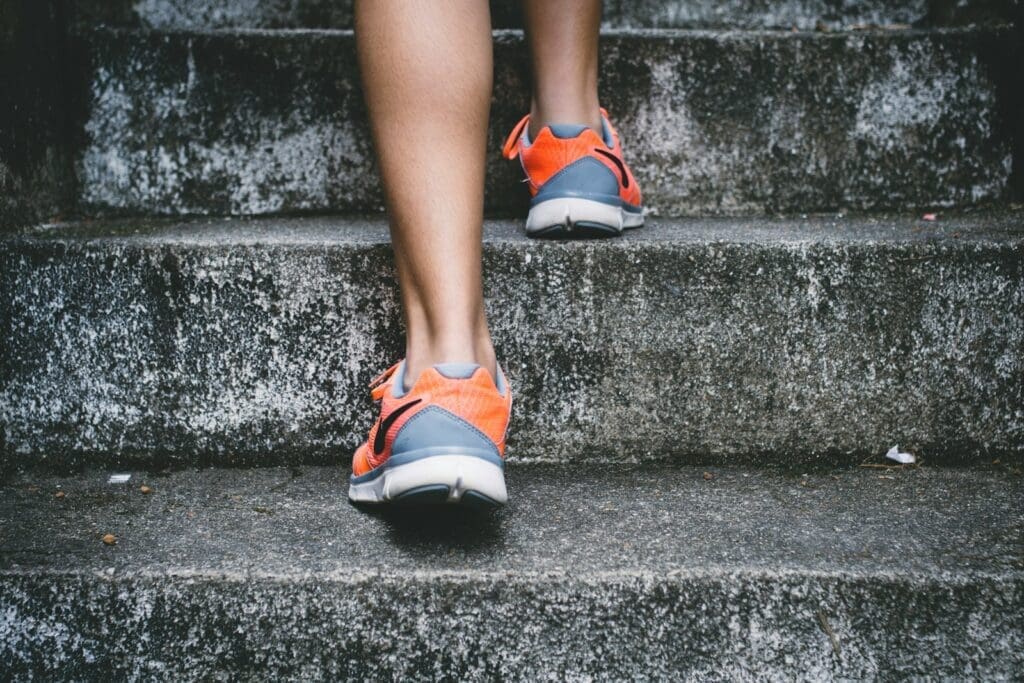
- Weight-bearing exercises: These force you to work against gravity. Think walking, hiking, dancing, or climbing stairs.
- Strength training: Using free weights, resistance bands, or your own body weight (like squats or push-ups) is crucial. Muscle strength supports bone strength.
Weight Management
There is a common misconception that being very thin is healthy, but being underweight can actually increase the risk of bone loss and fractures. Conversely, carrying excess weight can strain joints. A healthy, balanced weight achieved through nourishing foods and strength training is the best gift you can give your skeleton.
Managing Other Lifestyle Factors
It’s also important to look at habits that might be quietly undermining your efforts.
- Smoking: Tobacco use has been linked to weak bones and higher fracture risk.
- Alcohol: Regular consumption of more than two alcoholic drinks a day can interfere with the body’s ability to absorb calcium and form new bone.
Integrative and Medical Treatments
If you are diagnosed with osteoporosis or osteopenia (low bone mass), it doesn’t mean you are out of options. There are various paths to managing the condition.
Medical treatments, such as bisphosphonates or hormone therapy, are often prescribed to slow bone breakdown. However, many women find great success in complementing these traditional approaches with naturopathic care.
Naturopathic treatments focus on treating the whole person. This might include:
- Optimized Nutrition Plans: Tailoring your diet to ensure maximum absorption of bone-building minerals.
- Herbal Support: Some practitioners suggest nettle tea, which is rich in minerals like calcium and magnesium, as a supportive tonic.
- Targeted Supplementation: Ensuring you are taking the right forms and dosages of Vitamin D, K2, and Calcium.
- Stress Management: High cortisol levels can negatively impact bone density, so practices like yoga or meditation can be surprisingly beneficial.
Remember, there is no “one size fits all” when it comes to your health. You deserve a treatment plan that respects your values and addresses your unique physiology.
Taking the Next Step
Your bones support you every single day—literally holding you up as you move through the world. It’s never too late to return the favor. Whether you are 30 and just starting to think about prevention, or 60 and managing a diagnosis, small changes can make a profound difference.
Early detection, a nutrient-rich diet, and purposeful movement are your best defenses against this “silent disease.” But you don’t have to figure it all out on your own. If you’re feeling overwhelmed by supplement choices or unsure how to interpret your risk factors, seeking expert guidance can provide the clarity you need.
Let’s work together to build a foundation of health that lasts a lifetime. Make an appointment with me, Dr. Melissa McCarty, and we can create a personalized treatment plan to keep your bones healthy and strong!
