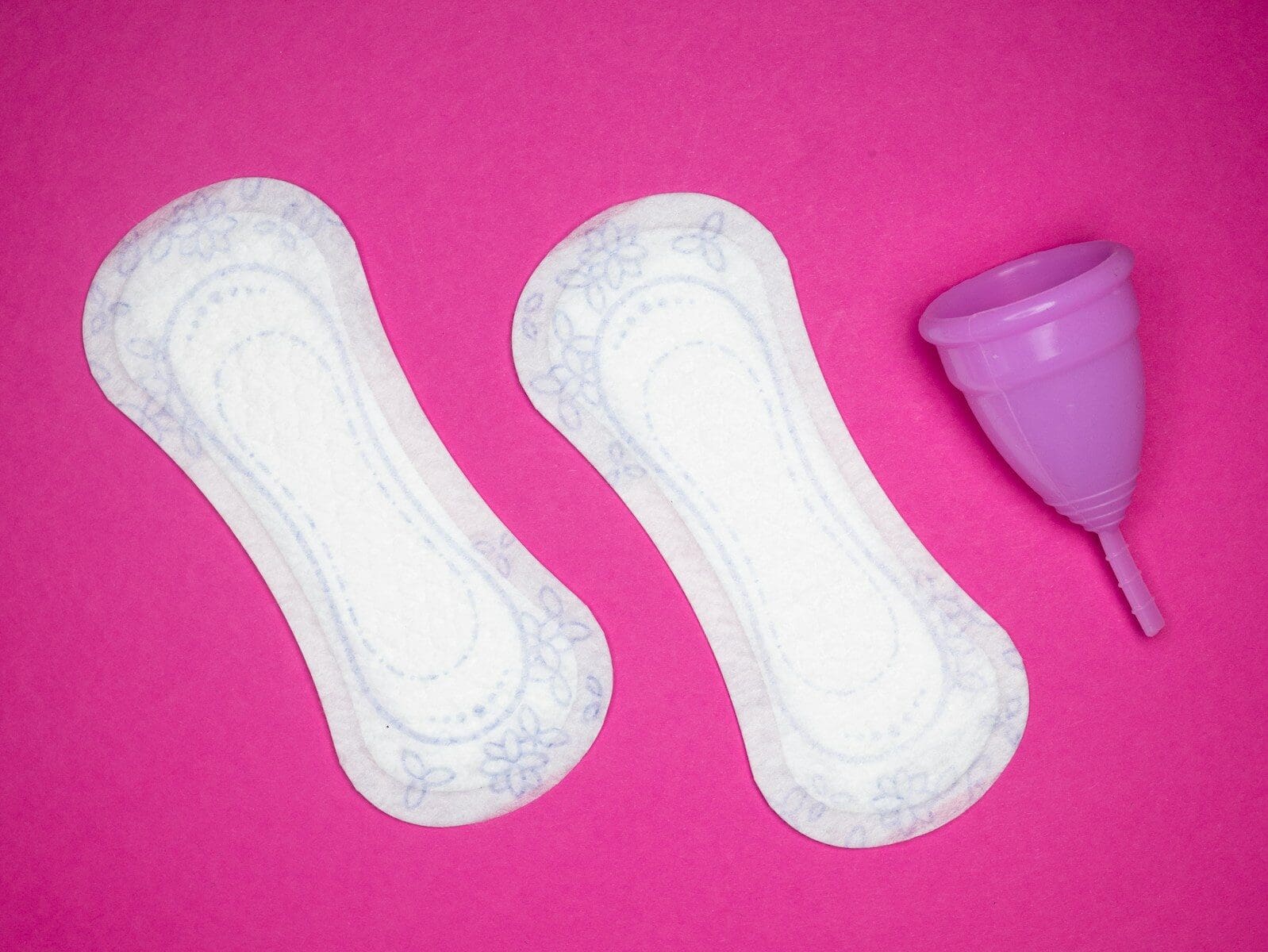
Naturopathic care for PMS can be life-changing!
Does the calendar on your wall sometimes feel like a countdown clock? For many women, the days leading up to menstruation aren’t just a minor inconvenience—they are a monthly hurdle of physical discomfort and emotional turbulence. If you’ve ever felt like a different person in the week before your period, you are certainly not alone.
Estimates suggest that up to 90% of women experience some form of premenstrual syndrome (PMS) during their reproductive years. While common, the symptoms—ranging from bloating and fatigue to irritability and anxiety—can significantly disrupt your daily life, work, and relationships. And for women navigating their 30s and 40s, hormonal shifts like perimenopause can sometimes make these symptoms feel even more intense.
But here is the good news: we are learning more about the female body every day. Recent research is shedding light on why these symptoms occur, moving us away from the idea that it’s “just part of being a woman” and toward actionable, scientific explanations. More importantly, naturopathic and functional medicine offer powerful tools to help you reclaim your cycle.

What is PMS?
Premenstrual syndrome (PMS) refers to a group of physical, emotional, and behavioral symptoms that typically occur one to two weeks before your period starts. These symptoms usually resolve shortly after menstruation begins.
While the exact cause is complex, researchers believe that the dramatic fall in estrogen and progesterone after ovulation plays a major role. For women in their 30s and 40s, the approach toward perimenopause can exacerbate these hormonal shifts, leading to changes in how you experience PMS compared to your 20s.
Symptoms of PMS
The list of potential symptoms is long, and every woman’s experience is unique. Common signs include:
- Physical: Abdominal bloating, breast tenderness, headaches, fatigue, joint or muscle pain, and changes in appetite (hello, sugar cravings).
- Emotional: Mood swings, irritability, anxiety, depressed mood, and crying spells.
- Cognitive: Trouble concentrating or “brain fog.”
Who is Affected by PMS?
While nearly any woman of reproductive age can experience PMS, research indicates that about 20% of women experience symptoms severe enough to interfere with their daily lives. Interestingly, symptom patterns can change over a lifetime. Factors like high stress, a history of postpartum depression, or entering the perimenopausal transition can all influence severity.
How do I know if I have PMDD or just PMS?
You may have heard of Premenstrual Dysphoric Disorder (PMDD), but distinguishing it from PMS can be confusing. Think of PMDD as a much more severe, often disabling form of PMS. It affects approximately 1.6% to 5% of menstruating women, though recent data suggests many cases go undiagnosed.
Symptoms of PMDD
The key difference lies in the severity and the impact on your quality of life. PMDD is characterized by intense psychological symptoms that can feel overwhelming. These may include:
- Severe depression or feelings of hopelessness
- Marked anxiety or tension, often feeling “on edge.”
- Extreme mood swings
- Persistent and marked anger or irritability
- Decreased interest in usual activities
- Difficulty concentrating
- Physical symptoms similar to PMS but often more intense
If your symptoms are causing significant distress or interfering with your ability to work or interact with others, it is crucial to speak with a healthcare provider. You do not have to “tough it out.”
How to Get Rid of PMS/PMDD Naturally
While “getting rid of” a complex condition like PMS or PMDD entirely may not happen overnight, many women find significant relief and management through natural, holistic approaches. The goal of naturopathic care is to support the body’s ability to regulate itself rather than just suppressing symptoms. Naturopathic care for PMS can also be combined with conventional approaches to tailor a plan to your exact needs.
Managing premenstrual disorders naturally involves a multi-faceted approach that addresses diet, stress, and lifestyle factors. By reducing inflammation, stabilizing blood sugar, and supporting neurotransmitter function, you can often reduce the severity of the monthly crash.
Recent Research on PMS
Science is finally catching up to what many women have intuitively felt for years. Current studies are moving away from the idea that women with PMS/PMDD simply have “imbalanced” hormones and are looking deeper into how the body responds to those hormones.
Role of Hormones
One of the most validating findings in recent research is that women with PMS and PMDD don’t necessarily have abnormal hormone levels. Instead, they have a unique sensitivity to normal hormonal changes, specifically the fluctuations of progesterone in the luteal phase (the second half of your cycle). This sensitivity can trigger inflammation and oxidative stress in the body, leading to those familiar symptoms.
Genetic Factors
Your DNA may also play a part. Research has identified potential genetic links to PMDD, specifically involving variations in the GABRB2 gene. This gene is involved in how your brain processes GABA, a neurotransmitter that helps regulate mood and anxiety. This confirms that PMDD has a biological basis—it is not “all in your head.”
Impact of Social Media
Our modern lifestyle is also a factor. Recent studies have explored the link between excessive social media use and PMS severity. The constant connectivity can increase anxiety and depression, which in turn intensifies premenstrual symptoms. The stress of the “always-on” culture may be disrupting our natural rhythms more than we realized.

What Vitamin Deficiency Causes PMDD?
It is a common question: “Am I just missing a vitamin?” The short answer is that there is no single vitamin deficiency known to cause PMDD directly. However, there is a correlation between lack of Vitamin D and calcium that researchers are continuing to investigate. Unsurprisingly, nutritional status plays a massive role in how severe your symptoms are. Research suggests that insufficient levels of these nutrients can contribute to the depression, fatigue, and irritability associated with PMS and PMDD.
Naturopathic Care for PMS and PMDD
Naturopathic medicine shines when treating hormonal health because it looks at the whole person. Here are several evidence-based strategies to help you find balance.
Lifestyle Changes
Small changes to your daily routine can yield big results.
- Diet: Focus on a balanced diet rich in complex carbohydrates and fiber. Eating smaller, more frequent meals every 2 to 3 hours can help keep your blood sugar stable, preventing that “hangry” feeling that worsens irritability.
- Exercise: Regular aerobic exercise is one of the most effective ways to reduce fatigue and depression associated with PMS.
- Stress Management: Since stress exacerbates symptoms, practices like yoga and meditation are not just luxuries—they are treatments.
Supplements
While you should always consult with a healthcare provider before starting a new regimen, certain supplements have shown promise in research:
- Calcium: Some studies indicate that calcium supplementation can help reduce mood and physical symptoms.
- Vitamin B6: often used to help with mood regulation and bloating.
- Magnesium: Known as the “relaxation mineral,” it may help with cramping and fluid retention.
- Omega-3 Fatty Acids: A randomized controlled trial found that taking omega-3s daily decreased depression, anxiety, and cognitive symptoms in women with PMS.
CBT (Cognitive Behavioral Therapy)
It’s not just about pills or supplements. Cognitive Behavioral Therapy (CBT) has been found to be effective in managing PMDD symptoms. CBT helps you identify and change negative thought patterns and behaviors. Some research suggests that CBT may even have better long-term effects than some medications, empowering you with coping strategies that last a lifetime.
Taking the Next Step
Understanding your cycle is the first step toward taking control of your health. Whether you are dealing with mild PMS or severe PMDD, you do not have to navigate it alone. By combining the latest research with the compassionate, holistic wisdom of naturopathic care, you can move from merely surviving your cycle to thriving throughout the entire month.
If these symptoms sound familiar, consider reaching out to a holistic health provider who can help you build a personalized plan. Your well-being is worth it.