

Your digestive health plays a vital role in overall well-being. A happy, healthy gut ensures that your body absorbs essential nutrients, supports your immune system, and maintains energy levels. Yet, as diets change and stress levels rise, many women new to naturopathic approaches may wonder how to naturally improve digestion and gut health without overhauling their lives completely.
This guide will walk you through effective ways to nourish your gut, optimize digestion, and create sustainable habits designed to support lifelong wellness.
Understanding Gut Health
Your gut is home to trillions of microorganisms, often called the gut microbiome, that play a key role in digestion, nutrient absorption, and immune defense. A healthy gut maintains this ecosystem in balance, promotes proper digestion, and reduces inflammation. On the other hand, poor gut health can lead to digestive discomfort like bloating, constipation, or gas and can even affect mood, skin, and energy levels.
While the process of gut health may sound complicated, the key lies in nourishing your body with the right foods, staying hydrated, adopting gut-friendly habits, and using targeted supplements where necessary.
Key Nutrients and Foods for Gut Health
A gut-friendly diet can work wonders. Here are the foundational nutrients and foods to focus on for maintaining optimal digestion.
1. Increase Fiber Intake
Fiber is crucial for digestive health, as it aids digestion and promotes regularity. If you haven’t been meeting the 25-38 grams of fiber per day recommended by the Academy of Nutrition and Dietetics (and who is?), start by slowly adding fiber to your diet!
- Soluble fiber (found in oats, lentils, and fruits like apples) soothes digestion.
- Insoluble fiber (from whole grains, leafy greens, or seeds) helps move food through the intestines more efficiently.
Pro tip: Incorporate at least 4 servings of vegetables to ensure you meet the recommended daily intake of fiber (1 serving is 1 cup raw or ½ cup cooked). Bonus points if you get the 7 servings that we all need each day!
2. Prioritize Lean Proteins
For those with gut sensitivities or conditions like IBS, lean proteins are a better option than high-fat meats. Chicken, fish, turkey, eggs, and plant proteins like beans & tofu are not only easily digestible but also healthier for your gut environment. Plus, they help avoid triggering colon contractions caused by fatty foods.
3. Opt for Low-Fructose Fruits
Not all fruits are created equal when it comes to gut health. Some can cause upset in sensitive stomachs, while others can be quite soothing. Keep a journal as you add more fruit to your diet to see if you are affected!
- High-fructose fruits like apples, pears, and mangos can cause gas and bloating for some individuals. However, apple sauce is often quite digestible.
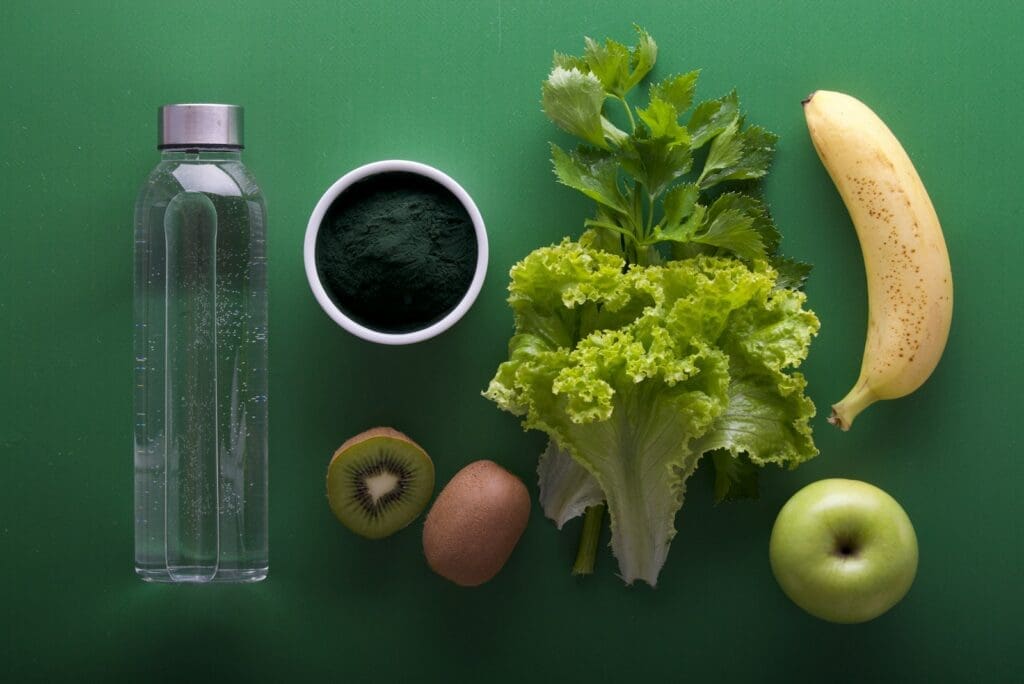
- Instead, choose low-fructose options like bananas, citrus fruits, and berries. Bananas are particularly beneficial as they also contain inulin, a prebiotic that supports beneficial gut bacteria.
4. Don’t Forget Healthy Fats
Healthy fats keep your digestive system functioning smoothly by aiding nutrient absorption. Incorporate foods like avocado, walnuts, and olive oil into your diet—but in moderation, such as 8 walnuts or ¼ of an avocado, as excessive fat can slow digestion.
Foods to Reduce for Better Digestion
While nourishing foods promote gut health, certain foods can disrupt your digestion.
1. Limit High-Fat and Fried Foods
Fried foods can slow down digestion and irritate the lining of your gut. These should ideally be replaced with baked or steamed alternatives.
2. Gas-Forming Foods
Certain vegetables (broccoli, cauliflower, cabbage), legumes, and high-starch items can cause discomfort, especially for those with sensitive stomachs. If you suspect lactose intolerance, avoid dairy products like milk or ice cream and switch to dairy-free alternatives.
3. Skip the Bubbles
Carbonated beverages introduce excess gas into the digestive tract, which can lead to bloating. Similarly, chewing gum and hard candies may make you swallow air.
Lifestyle Habits for Improved Gut Health
Your habits are as significant as your diet when it comes to supporting your gut.
1. Stay Hydrated
Water is essential to healthy digestion, softening stools for easier passage and preventing constipation. Aim for at least 8–10 glasses of water daily—but if you eat high-fiber foods, drink even more to maximize the fiber’s benefits. You want to get at least half of your body weight in ounces of water each day (i.e., you weigh 150lbs and half of that is 75, so your water intake goal is 75 ounces per day).
2. Exercise Regularly
Physical activity promotes intestinal motility. Exercises such as walking, yoga, or strength training increase circulation to your gut, aid peristalsis (gut contractions), and help you sleep better, all of which benefit your digestion.
3. Manage Stress
Stress is a known disruptor of gut health, contributing to issues like IBS or bloating. Deep breathing, meditation, journaling, and therapy can significantly reduce stress levels.
4. Prioritize Sleep
Quality sleep helps the gut microbiome rejuvenate itself overnight. Aim for 7–8 hours of uninterrupted sleep. If you’re struggling, evaluate your sleep habits and consider light evening yoga or limiting screen time.
Supplements for Gut Health
Sometimes, supplements help bridge the gap between lifestyle changes and your gut’s needs. Remember that the quality of the supplement really matters. Let’s talk if you need help navigating the wide world of supplement options.
Probiotics
These are live beneficial bacteria that help rebalance your gut microbiome. Look for strains like Lactobacillus or Bifidobacterium in yogurt or dedicated probiotic supplements.
Prebiotics
Think of prebiotics as probiotics’ food. Naturally occurring in onions, garlic, or asparagus, they fuel good gut bacteria and enhance their activity.
Digestive Enzymes
These supplements support the breakdown of macronutrients like protein, carbs, and fats, alleviating digestive discomfort for those with enzyme deficiencies or food intolerances.
Exercise’s Role in Gut Health
Studies consistently show that exercise boosts gut health. Here’s how physical movement benefits digestion specifically.
- Improved Gut Contractions
Exercise strengthens gut muscles, resulting in more effective intestinal movements and better waste elimination.
- Enhanced Circulation
Physical activity increases your cardiovascular capacity, directing more oxygen and nutrients to your digestive system.
- Reset Metabolism
A healthy metabolism encourages efficient digestion. A slow metabolism, by contrast, may promote overgrowth of harmful gut bacteria.
- Better Sleep
With better exercise frequency, you’re also more likely to enjoy deep restorative sleep, vital for gut repair.
Give Your Gut the Care It Deserves
Improving digestion and gut health involves a holistic approach. Start by incorporating fiber-rich foods, lean proteins, and mindful hydration into your diet. Stay consistent with light daily exercise and prioritize rest. Supplements like probiotics can provide additional support if needed.
If you feel ready but unsure about where to start, or you’ve tried these suggestions and are still struggling, consider working with a naturopathic professional for personalized guidance. A tailored plan focused on your body’s unique needs may be the key to better digestion and overall health.
