
If you’re a woman navigating the shifts of perimenopause or menopause, your health is likely already front and center. With changes in hormones, moods, and energy levels, it can feel like a lot to manage. But here’s something that often goes under the radar during this life stage: blood sugar health. Specifically, the risk of developing prediabetes. Functional medicine can help!
Hormonal changes during perimenopause and menopause can set the stage for blood sugar imbalances, leaving many women more vulnerable to prediabetes. The good news? Functional medicine offers practical, root-cause solutions that empower you to take control of your health.
In this post, we’ll unpack what prediabetes is, why women in perimenopause and menopause are at greater risk, and how functional medicine can help. We’ll also share simple, actionable tips to support your blood sugar naturally.
What Is Prediabetes?
Prediabetes is a condition where your blood sugar levels are higher than normal but not yet high enough to be diagnosed as type 2 diabetes. It’s a warning sign. If left unaddressed, it can progress to type 2 diabetes and lead to serious complications like heart disease or nerve damage. But here’s the key: with the right lifestyle changes, prediabetes is often reversible.
Symptoms of Prediabetes can be subtle and easy to overlook, including:
- Increased thirst
- Frequent urination
- Fatigue
- Blurred vision
- Unexplained changes in weight
Many people with prediabetes experience no symptoms at all, which is why regular check-ups and lab work are so important, especially during midlife.
Why Does Menopause Increase the Risk of Prediabetes?
During perimenopause and menopause, women experience a sharp decline in the hormones estrogen and progesterone. These hormones don’t just affect reproductive health; they also play a role in how your body processes glucose (sugar). Estrogen, for instance, helps keep insulin (the hormone that regulates blood sugar) efficient. Less estrogen can mean greater insulin resistance, one of the main drivers of prediabetes.
Other factors during this phase of life can also increase your risk:
- Increased abdominal fat (the “menopause belly”) is more metabolically active and can worsen insulin resistance.
- Sleep disruptions caused by hot flashes or night sweats can harm blood sugar regulation.
- Stress hormones like cortisol tend to spike in menopause, which can further destabilize blood sugar.

How Functional Medicine Addresses Prediabetes During Menopause
Functional medicine looks at the whole person, not just the blood sugar numbers on a lab test. Instead of ignoring warning signs or jumping straight to medication, this approach investigates why prediabetes is occurring and provides targeted solutions that address root causes.
Here’s how functional medicine works to manage blood sugar in perimenopause and menopause:
1. Comprehensive Testing
Traditional tests might focus on fasting glucose or hemoglobin A1c alone. Functional medicine digs deeper, measuring markers like insulin levels, inflammation, and hormonal balance. This fuller picture helps uncover hidden problems like insulin resistance or chronic inflammation.
2. Addressing Insulin Resistance
If insulin resistance is at the root of your prediabetes, functional medicine looks at what’s triggering it. This could include dietary choices, high stress levels, or even exposures to toxins that interfere with metabolism. Solutions often involve optimizing your diet, reducing inflammation, and improving cellular sensitivity to insulin.
3. Managing Hormonal Imbalances
Balancing hormones like estrogen and cortisol is a key part of managing prediabetes in menopausal women. Depending on your needs, your provider might explore bioidentical hormone therapy, herbal supplements, or lifestyle strategies that support hormonal health.
4. Personalized Diet and Lifestyle Changes
Functional medicine doesn’t believe in one-size-fits-all plans. A diet that supports blood sugar stability for one woman might not work for another. Your provider will customize recommendations based on your unique body, goals, and any sensitivities or deficiencies.
Tips to Support Healthy Blood Sugar Naturally
While working with a functional medicine provider, there are several steps you can take on your own to keep your blood sugar in check:
1. Prioritize Blood Sugar-Friendly Foods
The foods you eat have a direct impact on your blood sugar levels. Here’s how to build a diet that supports metabolic health:
- Add more fiber: Foods like beans, lentils, leafy greens, and whole grains keep you fuller longer and slow down sugar absorption.
- Choose lean protein: Protein is key for stabilizing blood sugar. Add options like fish, eggs, tofu, and chicken to your meals.
- Go for healthy fats: Think avocados, nuts, seeds, and olive oil, which can help reduce inflammation and improve insulin sensitivity.
- Limit processed foods: Avoid refined carbs (like white bread or pastries) and sugary drinks that cause blood sugar spikes.
2. Manage Stress
During menopause, your hormones are already in flux, and stress hormones like cortisol can wreak even more havoc on your blood sugar. Try mindfulness-based techniques, such as:
- Deep breathing exercises
- Daily meditation
- Gentle yoga or tai chi
- Spending time in nature
Even 10 minutes a day with these practices can make a noticeable difference!
3. Get Moving
Exercise is one of the best ways to improve insulin sensitivity and lower blood sugar naturally. But it doesn’t have to mean hours at the gym. Here are a few ideas:
- Take a brisk 30-minute walk each day.
- Incorporate strength training 2-3 times a week to improve muscle mass.
- Try low-impact exercises like swimming, cycling, or dance, especially if you’re dealing with joint aches.
4. Prioritize Sleep
Lack of quality sleep can cause insulin resistance and lead to blood sugar spikes. Aim for 7-8 hours of restful sleep each night. To encourage this:
- Keep your bedroom cool and dark.
- Avoid heavy meals or caffeine late in the day.
- If hot flashes are disrupting your rest, explore herbal teas or supplements like magnesium before bed.
5. Track Your Progress
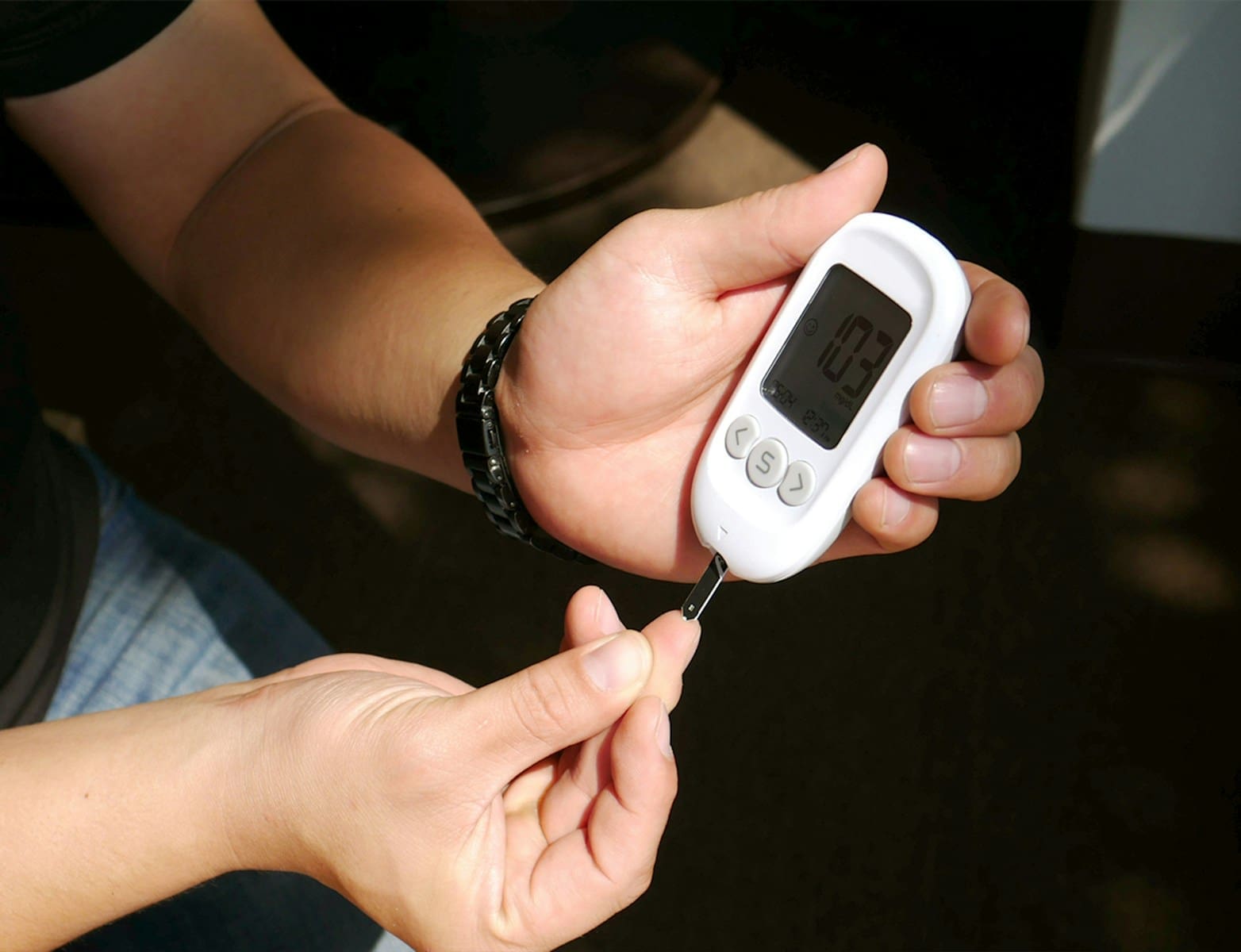
If your doctor prescribes it, consider using a continuous glucose monitor (CGM) or even a simple glucometer to observe how your body responds to different foods, stress levels, or activities. This real-time feedback can be eye-opening and empowering.
Take Charge of Your Health
Prediabetes doesn’t have to be a life sentence, and the hormonal changes of menopause don’t have to derail your health. By addressing the interconnected factors that contribute to blood sugar imbalances, functional medicine tackles prediabetes with a sustainable, personalized solution.
If you’re in the Seattle area and want to partner with someone who takes the time to understand your body and its unique needs, Dr. Melissa McCarty at Roots of Health is here for you. Together, you’ll explore a path forward that helps you regain energy, balance hormones, and live with vitality.Take the first step today by scheduling a free discovery call. Your health isn’t just about fixing numbers on a lab test; it’s about feeling good in your skin and living a life you love.
