
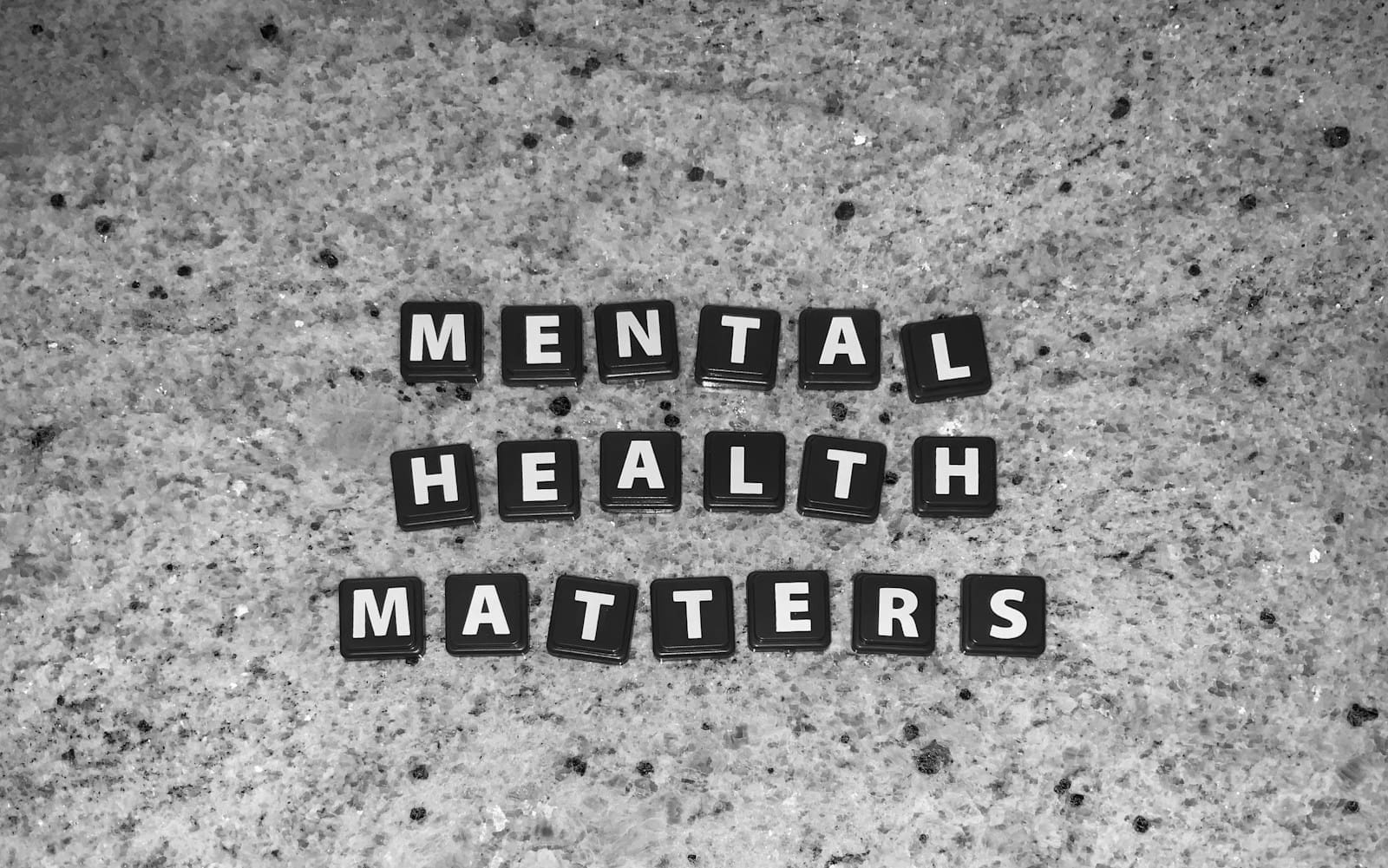
How to Nurture Your Mental Health During the Winter Months
As the days grow shorter and Seattle’s signature gray skies settle in, do you find your energy waning or your mood dipping? If so, you’re not alone. Many people experience a shift in their mental well-being during the colder, darker months. For women navigating hormonal changes like perimenopause or managing chronic health conditions, this seasonal shift can feel even more pronounced.
Often referred to as the “winter blues,” this phenomenon is more than just a passing mood. For some, it can develop into Seasonal Affective Disorder (SAD), a type of depression that follows a seasonal pattern. Symptoms of SAD include persistent sadness, low energy, oversleeping, and cravings for carbohydrates.
The good news? You don’t have to simply endure these feelings until spring. There are holistic, effective strategies to support your mental health and rediscover brightness, even on the cloudiest days. In this guide, we’ll explore professional treatments and self-care practices to help you thrive this winter.
Understanding the Winter Blues and Seasonal Affective Disorder (SAD)
Before diving into solutions, it’s helpful to understand what causes these seasonal mood shifts. While research is ongoing, experts believe the primary culprit is reduced sunlight exposure, which can disrupt your body’s natural rhythms and brain chemistry.
- Your Body’s Internal Clock: Less sunlight can throw off your circadian rhythm, leading to feelings of lethargy and depression.
- Serotonin Levels: Sunlight helps regulate serotonin, a brain chemical that influences mood. Reduced exposure can lower serotonin levels, contributing to sadness.
- Melatonin Levels: Seasonal changes can also disrupt melatonin, a hormone that regulates sleep. This imbalance can affect both your sleep and mood.
For some, these changes result in mild symptoms, often called the winter blues. For others, the symptoms are more severe, meeting the criteria for SAD. Common symptoms include:
- Persistent sadness or feeling down most of the day
- Loss of interest in activities you once enjoyed
- Low energy and sluggishness
- Oversleeping and difficulty waking up
- Cravings for high-carb foods, leading to overeating and weight gain
- Difficulty concentrating
- Feelings of hopelessness or worthlessness
If these symptoms resonate with you, know that effective treatments and strategies are available to help you feel better.
Professional Treatments for Seasonal Depression
When self-care alone isn’t enough, seeking professional support is a proactive and empowering step. Here are some of the most effective treatments for SAD:
1. Light Therapy
Light therapy, or phototherapy, is a cornerstone treatment for SAD. It involves daily exposure to a special lamp that mimics natural sunlight.
- Choose the Right Lamp: Look for a light box that emits 10,000 lux of light, the standard intensity for treating SAD.
- Morning Routine: Use the light box for 15–30 minutes each morning, positioning it about two feet away while you eat breakfast or work.
- Consistency Matters: For best results, use light therapy daily from fall through spring.
2. Cognitive Behavioral Therapy (CBT)
CBT is a highly effective, long-lasting treatment for SAD. This form of talk therapy helps you identify and change negative thought patterns and behaviors. A therapist can also teach you practical coping skills to manage symptoms and build resilience.
3. Medication
For moderate to severe symptoms, antidepressants like SSRIs (e.g., Prozac®, Zoloft®, Lexapro®) may be recommended. Bupropion, another option, can be started preventatively in the fall. Medication is often most effective when combined with light therapy or CBT.
4. Vitamin D Supplementation
Low Vitamin D levels, common during Seattle’s darker months, are linked to depression. A simple blood test can determine if you’re deficient. If so, your provider may recommend a supplement to restore healthy levels.
Empowering Self-Care Strategies for Winter Wellness
In addition to professional treatments, daily self-care practices can significantly improve your mood and energy. Here are some actionable tips:
1. Maximize Light Exposure
- Get Outside: Even on cloudy days, outdoor light is more beneficial than indoor lighting. Take a brisk walk during lunch or explore Seattle’s parks on weekends.
- Brighten Your Home: Open curtains, position your workspace near windows, and use full-spectrum light bulbs to create a brighter indoor environment.
2. Stay Active
Exercise is a natural mood booster, releasing endorphins that combat stress and anxiety.
- Aim for Consistency: The U.S. Department of Health recommends 150 minutes of moderate aerobic activity per week.
- Find Joy in Movement: Choose activities you enjoy, like yoga, dancing, or hiking. Even small amounts of movement can make a difference.
3. Prioritize Sleep
- Stick to a Schedule: Go to bed and wake up at the same time daily to regulate your internal clock.
- Avoid Oversleeping: While tempting, oversleeping can worsen symptoms and leave you feeling groggy.
- Create a Sleep Sanctuary: Keep your bedroom dark, quiet, and cool, and avoid screens before bed.
4. Nourish Your Body
- Focus on Whole Foods: Fill your plate with fruits, vegetables, lean proteins, and whole grains to fuel your body and brain.
- Incorporate Healthy Fats: Omega-3s, found in salmon, walnuts, and flaxseeds, support brain health.
- Stay Hydrated: Dehydration can impact your mood and energy, so drink plenty of water.
5. Stay Connected
Social connection is a powerful antidote to isolation.
- Be Intentional: Schedule coffee dates, join a book club, or volunteer for a cause you care about.
- Lean on Your Support System: Share your feelings with loved ones and allow them to support you.
6. Manage Stress
- Practice Mindfulness: Meditation, deep breathing, and yoga can help calm your nervous system.
- Explore Creative Outlets: Hobbies like painting, writing, or playing music can be therapeutic.
- Plan your holidays thoughtfully to avoid financial worries, family conflicts, and complex schedules. Set aside time for fun and meaningful connections.
When to Seek Immediate Help
Your mental health is a priority. If you’re experiencing a crisis or having thoughts of self-harm, reach out for help immediately. Call or text the 988 Suicide & Crisis Lifeline to connect with a trained counselor, available 24/7.
If your symptoms persist and interfere with daily life, consult a healthcare provider or mental health professional. You don’t have to navigate this alone.
Your Path to a Brighter Winter
Winter doesn’t have to feel like an uphill battle. By integrating professional treatments and self-care strategies, you can nurture your mental health and find joy, even in the darkest months.
Start small—take a walk outside, try a five-minute meditation, or brighten your living space. Be patient and compassionate with yourself as you discover what works best for you.
At Roots of Health Wellness, we’re here to support you with personalized, holistic care. Together, we can create a wellness plan that empowers you to thrive, no matter the season. Reach out today and see how integrative medicine can help support your mental health any time of the year.
