
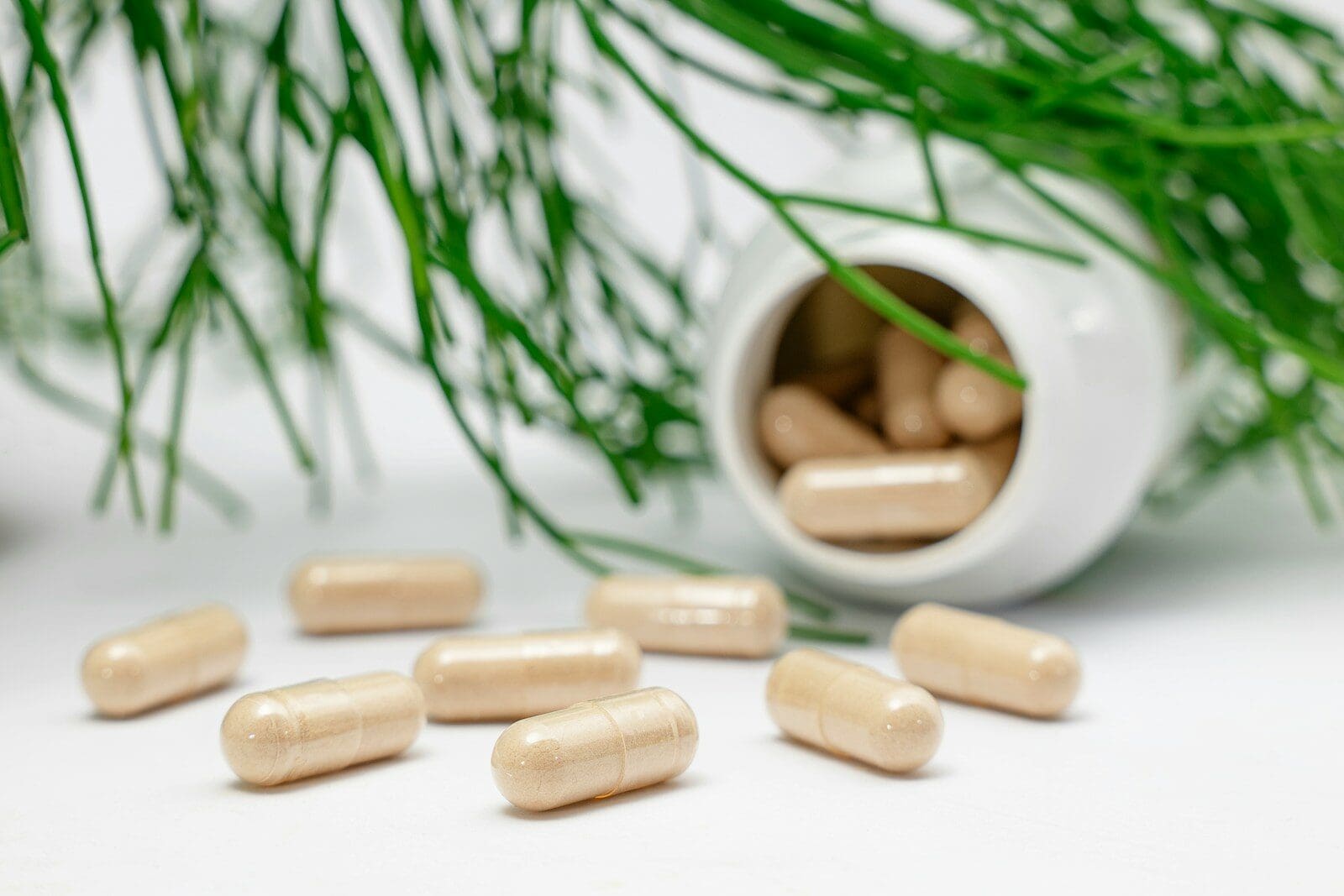
Herbal supplements and medication can interact in unexpected ways; here’s what you need to know!
Many women take both prescription medications and herbal supplements, believing they’re doing everything right for their health. But here’s something that might surprise you: nearly 25% of U.S. adults who take prescription medications are also using dietary supplements at the same time—and many don’t realize these combinations can be dangerous.
That seemingly harmless St. John’s wort you take for mood support? It could be reducing the effectiveness of your birth control pills. The ginkgo biloba you use for mental clarity? It might increase your bleeding risk if you’re taking aspirin or blood thinners.
Understanding how herbal supplements interact with prescription medications is crucial for your safety and well-being. When you know what’s happening in your body, you can make informed decisions that truly support your health goals rather than unknowingly undermining them.
Natural Doesn’t Mean Safe
Herbal supplements are real medicine and can be powerful tools for supporting health. As medicines, they must be treated like any other drug. These natural products contain active compounds that can significantly alter how your body processes prescription medications.
The risks fall into two main categories:
Reduced medication effectiveness: Some herbs speed up your liver’s metabolism of drugs, causing them to break down faster than intended. This means the medication leaves your system before it can do its job properly. For example, St. John’s wort induces CYP enzymes, which can dramatically reduce the effectiveness of medications like cyclosporine (used after organ transplants), HIV medications, and birth control pills.
Increased drug toxicity: Other herbs slow down medication metabolism, causing drugs to accumulate in your bloodstream to potentially dangerous levels. This can lead to serious side effects or toxicity.
Research shows that between 40% and 60% of adults with chronic diseases use dietary supplements, and approximately 20-35% of individuals receiving conventional pharmacotherapy consume herbal products simultaneously. Many of these individuals remain unaware of potential interactions until problems arise.
Common Herb-Drug Culprits You Need to Know
Certain herbal supplements are particularly notorious for causing dangerous interactions. Here’s what you need to watch out for:
St. John’s Wort
This popular herb is often used for mood support, but it’s one of the most problematic supplements when combined with medications. St. John’s wort has a high potential for herb-drug interactions because it’s a potent inducer of CYP enzymes and intestinal P-glycoprotein.
It can reduce the effectiveness of:
- Immunosuppressants like cyclosporine and tacrolimus
- Blood thinners like warfarin
- HIV medications (protease inhibitors)
- Birth control pills
- Heart medications like digoxin
- Cholesterol-lowering statins
- Certain antidepressants (it can also increase serotonin levels, creating a dangerous condition called serotonin syndrome)
Ginkgo Biloba
While marketed for memory and cognitive function, ginkgo carries significant bleeding risks. Studies show that taking ginkgo biloba with warfarin is associated with increased risk for major bleeding events compared to warfarin alone.
Ginkgo can be particularly dangerous when combined with:
- Blood thinners like warfarin or Coumadin
- Antiplatelet drugs like aspirin or clopidogrel
- NSAIDs like ibuprofen
- HIV medications like efavirenz
Goldenseal
This herb is sometimes used for immune support, but it’s strongly recommended to avoid in combination with most over-the-counter and prescription medications. Goldenseal inhibits two major metabolic enzymes—CYP2D6 and CYP3A4—which are responsible for metabolizing more than half of currently used pharmaceutical agents.
A study funded by NCCIH found that goldenseal extract decreased metformin levels by about 25% in healthy adults. This drop was enough to potentially hinder glucose control in people with type 2 diabetes taking metformin.
Other Problematic Herbs
- Garlic, ginger, and ginseng: All increase bleeding risk, especially with blood thinners
- Green tea extract: At high doses, it can reduce blood levels of the beta-blocker nadolol and the cholesterol-lowering drug atorvastatin
- Echinacea: Has moderate interaction potential and may affect immune-suppressing medications
The Science Behind the Interactions
Understanding how these interactions occur can help you appreciate why they’re so significant.
Pharmacokinetic vs. Pharmacodynamic Interactions
Most herb-drug interactions manifest as pharmacokinetic interactions, which affect how much of a drug ends up in your bloodstream and how long it stays there. These involve changes in:
- Absorption (how much drug gets into your system)
- Distribution (where the drug travels in your body)
- Metabolism (how your body breaks down the drug)
- Excretion (how your body eliminates the drug)
Less commonly, interactions are pharmacodynamic, meaning the herb directly affects what the drug does in your body, regardless of blood concentration levels.
The Role of CYP Enzymes
The cytochrome P450 (CYP) family of enzymes plays a starring role in drug metabolism. These six CYP enzymes account for the metabolism of approximately 80% of all prescribed drugs.
When herbs induce (speed up) these enzymes, medications are broken down faster than intended. When herbs inhibit (slow down) these enzymes, medications accumulate to potentially toxic levels. Terpenoids, phenylpropanoids, flavonoids, alkaloids, and quinones derived from herbs have been identified as natural inhibitors of P450 enzymes.
Food and Beverage Interference: It’s Not Just Supplements
Beyond herbal supplements, certain foods and beverages can also interfere with your medications in significant ways.
Grapefruit Juice
Grapefruit juice interacts with approximately 85 different drugs, making it one of the most problematic foods for people taking medications. It inhibits intestinal CYP3A4, leading to elevated drug levels and increased risk of side effects.
Medications affected by grapefruit include:
- Statins (lovastatin, simvastatin, atorvastatin)
- Blood pressure medications (calcium channel blockers like felodipine and nifedipine)
- Immunosuppressants like cyclosporine and tacrolimus
- Certain antihistamines
- Some HIV medications
The effects can last for 24 hours or more, so timing your medication differently from your grapefruit juice won’t necessarily solve the problem.
Vitamin K-Rich Foods
Vegetables like broccoli, Brussels sprouts, kale, parsley, and spinach are high in vitamin K. While these are incredibly healthy foods, eating large quantities or making sudden changes in the amounts consumed can interfere with warfarin therapy. The key is consistency—don’t suddenly increase or decrease your intake of these foods without discussing it with your healthcare provider.
Tyramine-Rich Foods
If you’re taking monoamine oxidase inhibitors (MAOIs) for depression, tyramine-containing foods like matured cheese, red wine, ripened bananas, yogurt, shrimp paste, and salami can produce a hypertensive crisis—a dangerous spike in blood pressure.
Other Food Interactions
- Dairy products: Can inhibit the intestinal absorption of certain antibiotics like tetracycline due to their calcium and magnesium content
- Orange juice: Can inhibit the absorption of celiprolol, a beta-blocker
- Alcohol: Can alter medication absorption and increase or decrease how well many medicines work
High-Risk Medications: When Extra Caution Is Essential
Some medications require extra vigilance when it comes to herb and food interactions because they have what’s called a narrow therapeutic index. This means the difference between an effective dose and a toxic dose is very small.
Blood Thinners
Warfarin (Coumadin) is particularly sensitive to interactions. Patients taking warfarin are at particular risk of interactions with dietary supplements, foods rich in vitamin K, and herbs like ginkgo, garlic, and ginger. Even cranberry juice has been reported to interact with warfarin, resulting in bleeding complications.
If you’re taking warfarin, you should have your INR (International Normalized Ratio) closely monitored, especially if you’re adding or removing any supplements or making dietary changes.
Immunosuppressants
Medications like cyclosporine and tacrolimus, used after organ transplants to prevent rejection, are extremely sensitive to herb interactions. Some significant interactions have been reported between tacrolimus and various herbal extracts.
One documented case involved St. John’s wort reducing cyclosporine levels by an average of 47%, while stopping the herb caused levels to increase by 187%—swings that could lead to organ rejection or toxicity.
Heart Medications
Digoxin, used for heart failure and irregular heartbeats, has a narrow therapeutic window. Small changes in blood levels due to herb interactions can cause serious problems, from ineffective treatment to dangerous toxicity.
Diabetes Medications
The interaction between goldenseal and metformin demonstrates how herbs can significantly affect blood sugar control. A 25% reduction in metformin levels could mean the difference between well-controlled diabetes and dangerously high blood sugar.
Practical Safety Steps: Protecting Yourself
Taking control of your health means being proactive about preventing dangerous interactions. Here are essential steps to keep you safe:
Maintain a Complete Health Record
Create a comprehensive list of everything you take, including:
- All prescription medications (with dosages)
- Over-the-counter medications
- Vitamins and minerals
- Herbal supplements
- Protein powders and meal replacements
- Teas with medicinal herbs (green tea, chamomile, raspberry leaf, etc.)
Update this list regularly and bring it to every medical appointment.
Read Labels Carefully
Many supplements contain multiple ingredients. A product marketed for “women’s health” might contain St. John’s wort, black cohosh, and several other herbs. Read ingredient lists thoroughly, and research each component and the total amount of herbs per serving.
Monitor for Side Effects
Be alert to changes in how you feel after starting a new supplement, especially if you take prescription medications. Warning signs include:
- Unusual bleeding or bruising
- Sudden changes in blood pressure
- Unexpected changes in symptoms that your medication controls
- New or worsening side effects
- Signs of toxicity (nausea, confusion, tremors)
Time Your Doses Strategically
While timing doesn’t solve all interaction problems (remember that grapefruit juice issue?), it can sometimes help. Ask your healthcare provider if spacing out your medications and supplements might reduce interaction risks.
Start Low and Go Slow
If you and your healthcare provider decide to add a supplement, start with a lower dose and gradually increase while monitoring for any changes in how your medications work or how you feel.
The Critical Role of Expert Consultation
Here’s the reality: supplement-drug interactions are complex, and the research is constantly evolving. What seems safe based on one study might prove problematic according to newer research.
This is why working with a healthcare provider who understands both conventional medicine and natural therapies is essential. A naturopathic physician like Dr. Melissa McCarty can provide comprehensive care that considers all aspects of your health regimen.
During a thorough medication and supplement review, a qualified practitioner will:
- Evaluate all your current medications and supplements
- Identify potential interactions
- Assess whether your supplements are truly necessary
- Recommend safer alternatives when appropriate
- Monitor you for any changes over time
- Coordinate care with your other healthcare providers
Taking Control of Your Health Journey
Your desire to support your health naturally is admirable. Herbal supplements can be valuable tools—but only when used wisely and with full awareness of potential risks. Herbal supplements and medication can interact in unexpected ways, and an experienced health provider can help guide you.
The key is to be proactive rather than reactive. Don’t wait until you experience unexplained symptoms or your medications stop working as expected. Take action now to ensure all your health interventions are working together, not against each other.
If you’re currently taking both prescription medications and herbal supplements, or if you’re considering adding supplements to your regimen, reach out to Dr. Melissa McCarty for a comprehensive medication and herbal supplement review. This specialized consultation can identify potential interactions, optimize your treatment plan, and give you peace of mind that you’re truly supporting your health in the safest, most effective way possible.
Your health is too important to leave to chance. Take the first step toward a safer, more effective health regimen today.