
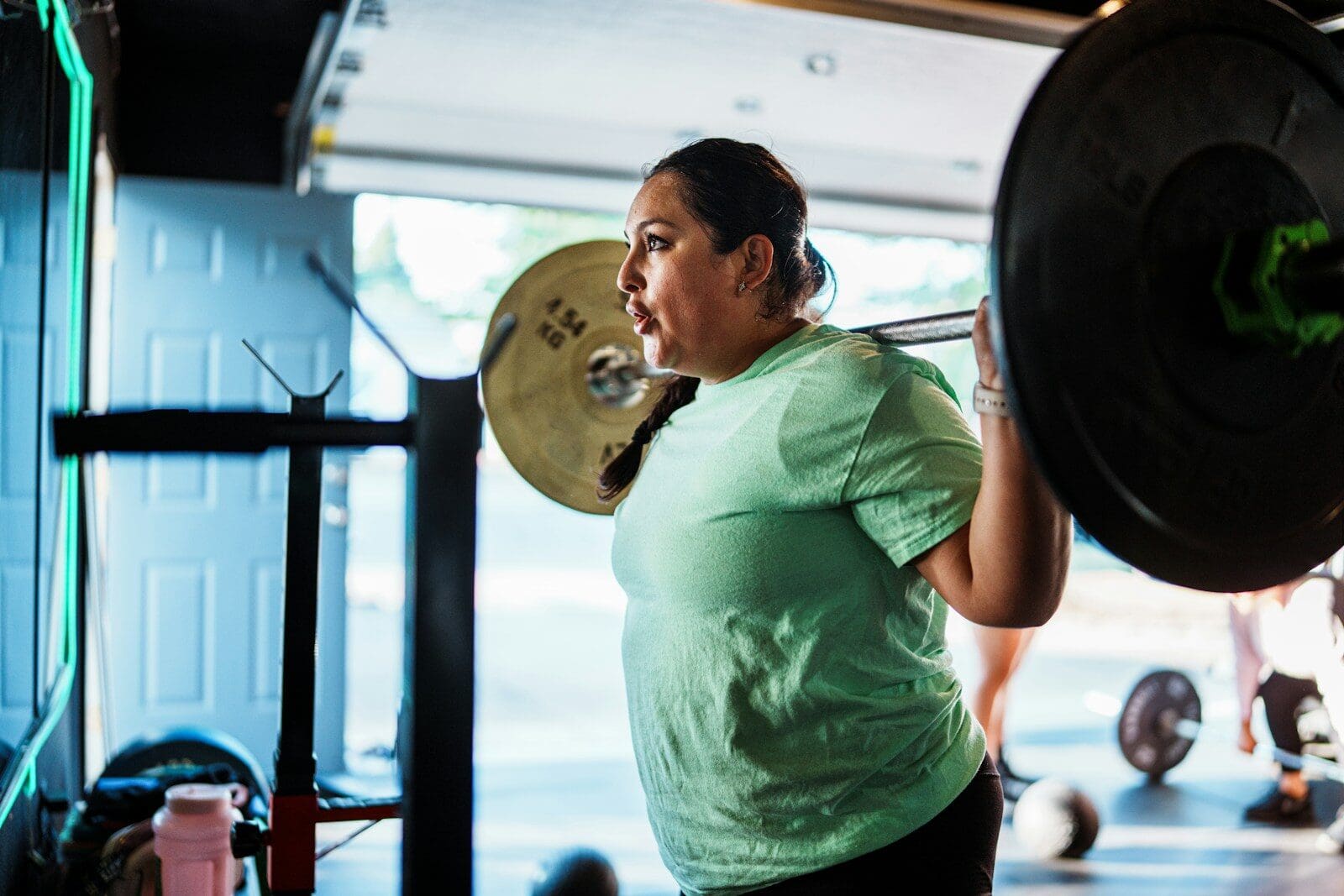
Debunking myths about what creatine does and does not do in a woman’s body!
If you’ve been researching ways to support your energy levels, cognitive health, or physical strength—especially as you navigate changes like perimenopause or menopause—you’ve likely stumbled across creatine. And if you’re like many women I talk to, you might feel a little hesitant about it. Isn’t creatine just for bodybuilders? Will it mess with my hormones? Will it make me bulk up?
These are completely normal questions. The world of supplements can be overwhelming, and it’s hard to know what’s truly supportive versus what’s just hype.
Here is the reassuring news: creatine is one of the most researched supplements in the world, and its benefits extend far beyond the weight room. In fact, understanding how creatine interacts with your body—and your hormones—might be the key to unlocking better energy, sharper focus, and feeling more at home in your body during transitions like menopause.
Let’s take a deep breath, push aside the “gym bro” stereotypes, and explore what creatine actually does, how it interacts with your hormones, and why it might be a powerful tool for your health toolkit.
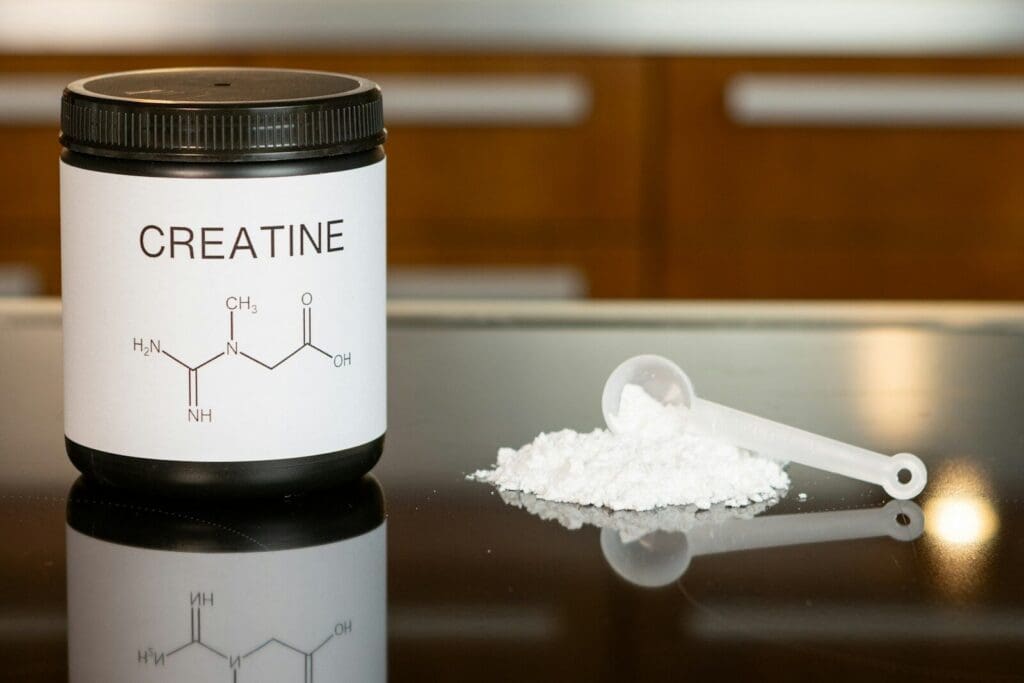
What is Creatine and How Does It Work?
Before we dive into hormones, let’s demystify what creatine actually is. It isn’t a steroid or a synthetic chemical designed to create artificial muscles. Creatine is a natural compound made from three amino acids: L-arginine, glycine, and L-methionine.
Your body is actually producing it right now! Your liver, kidneys, and pancreas work together to produce about 1 gram of creatine per day. You also get it from your diet, specifically from red meat and seafood. However, to get the amount often recommended for therapeutic benefits, you’d have to eat an impractical amount of steak or salmon every single day.
The Energy Spark Plug
So, what does it do? Think of creatine as a backup battery for your cells.
Its primary job is to help regenerate adenosine triphosphate (ATP), which is the main energy currency of your cells. When you do something demanding—whether that’s lifting a heavy grocery bag, going for a run, or focusing intensely on a work project—your body burns through ATP rapidly. Creatine steps in to quickly replenish that energy store.
While we often talk about this in the context of muscles, your brain is an energy-hungry organ, too. It consumes about 20% of your body’s energy. This means that having adequate creatine stores supports not just physical stamina, but mental clarity and focus as well.
Creatine and Primary Sex Hormones (Testosterone and Estrogen)
One of the biggest fears women have is that taking creatine will affect their delicate hormonal balance. You might worry it will increase testosterone (leading to unwanted hair growth or mood changes) or interfere with estrogen.
Let’s clear the air: Creatine does not directly alter your primary sex hormones.
Research has consistently shown that creatine supplementation does not significantly increase testosterone levels or disrupt estrogen production. The idea that creatine is an anabolic steroid that mimics testosterone is a common myth, but it’s just that—a myth.
The Indirect Support System
However, just because creatine doesn’t change your hormone levels doesn’t mean it doesn’t interact with your hormonal ecosystem. It works more like a supportive friend.
Hormones like estrogen play a massive role in how your body produces and uses energy. When estrogen fluctuates—during your menstrual cycle, postpartum, or menopause—your energy metabolism can take a hit. This is where creatine shines. It doesn’t fix the hormones themselves, but it supports the systems that are struggling because of those hormonal shifts. By ensuring your cells have enough energy (ATP), creatine helps bridge the gap when your natural hormonal support is waning.

Creatine’s Role During Hormonal Changes in Women
Women’s bodies are dynamic. We move through distinct phases of life, each with its own hormonal signature. Interestingly, these phases are exactly when creatine might be most beneficial.
The Menstrual Cycle
Have you ever noticed that during the luteal phase (the second half of your cycle leading up to your period), you feel more tired or your workouts feel harder? This is partly because high progesterone and estrogen levels can influence how your body metabolizes energy. Creatine availability can actually fluctuate across your cycle. Supplementing can help maintain steady energy availability, potentially mitigating that pre-period fatigue.
Pregnancy
Pregnancy is perhaps the most energy-demanding event the human body can undergo. There is growing and exciting research suggesting that creatine requirements increase during pregnancy.
Studies have indicated that maternal creatine levels are crucial for healthy fetal growth. Furthermore, research links adequate creatine intake to better outcomes, suggesting that women with lower creatine intake might face higher risks of complications. For example, a recent study found that women consuming adequate amounts of creatine had significantly lower risks of irregular periods, and insufficient intake was linked to issues like fetal macrosomia (a baby born significantly larger than average) (Ostojic et al., 2024).
Note: As always, pregnancy is a sensitive time, so please consult with your naturopathic doctor, midwife, or OB-GYN before starting any new supplement.
Menopause and Perimenopause
This is where the conversation gets really empowering. As estrogen declines during perimenopause and menopause, we lose a key protector of our muscle mass and bone density. We also often experience “brain fog” and fatigue.
Because estrogen is linked to creatine synthesis, lower estrogen means your body might be less efficient at making its own creatine. Supplementing becomes a way to “fill the tank” that is naturally leaking a bit faster than it used to. It can be a vital tool for combatting age-related muscle loss (sarcopenia) and keeping your mind sharp when you feel that cognitive fuzziness creeping in.
Creatine and Other Hormones
Beyond the primary sex hormones, creatine interacts with other key players in your body’s chemical makeup.
Anabolic Hormones
You may have heard whispers that creatine boosts growth hormone or testosterone, leading to “bulky” muscles. Early research hinted at this, but more robust, later studies have clarified the picture. It appears that while creatine supports the work you do (allowing you to lift heavier or move more), it does not artificially inflate anabolic hormone levels in a way that would cause virilization (developing male physical characteristics). You can rest easy knowing you won’t accidentally turn into a bodybuilder overnight.
Cortisol
We live in a high-stress world, and high levels of cortisol (the stress hormone) can wreak havoc on our sleep, weight, and mood. Some promising research suggests that creatine might help blunt the cortisol response to stress, although we still need more evidence to say for sure. If true, this would mean creatine helps your body remain more resilient in the face of stress—something we could all use a little more of!
Benefits of Creatine Supplementation
So, if it doesn’t mess with your hormones, what does it do for you?
Muscle Function and Strength
You don’t need to be training for the Olympics to benefit from strength. Maintaining muscle mass is one of the most critical factors for longevity and metabolic health in women. Creatine helps you maintain that muscle, which in turn protects your bones and keeps your metabolism healthy.
Cognitive Function and Mood
This is often the most surprising benefit for my patients. The brain requires a huge amount of creatine. Supplementing has been shown to improve short-term memory and intelligence in tasks requiring speed of processing. Perhaps even more importantly, it supports mood. By restoring energy balance in the brain, creatine can help alleviate mental fatigue and has shown promise in supporting mental health, particularly in women.
Energy Availability
Ultimately, it comes down to energy. Whether it’s the energy to get through a workday without a 3 p.m. crash, the energy to play with your kids or grandkids, or the energy to take a yoga class, creatine supports the cellular engine that powers your life.
Dosage and Safety
Empowerment comes from knowing how to use tools safely. If you’re considering adding creatine to your routine, here is what you need to know.
Recommended Dosage
You don’t need to do complicated “loading phases” (where you take huge doses for a week). A simple, steady approach works best for most women. A daily intake of 3 to 5 grams of creatine monohydrate is the standard, evidence-based recommendation. It dissolves easily in water, tea, or a smoothie.
Safety Profile
Creatine is widely considered safe for long-term use. The most common side effect is water retention, but this is usually mild and often occurs within the muscle cells themselves, which is actually a good thing for hydration! It does not typically cause bloating in the stomach.
However, we are all unique. If you have pre-existing kidney issues, it is essential to speak with your doctor, as your kidneys process creatine.
Your Health is Worth the Investment
It is time to let go of the fear that supplements like creatine are “not for us.” Whether you are navigating the waves of perimenopause, looking to support your body through a chronic illness, or simply want to feel stronger and sharper, creatine offers a safe, effective, and researched-backed option.
It isn’t about manipulating your hormones; it’s about giving your body the raw materials it needs to thrive despite hormonal fluctuations.
If you are feeling curious but unsure where to start, or if you want to understand how creatine fits into a broader, personalized holistic health plan, I encourage you to reach out. You don’t have to figure this out alone.