
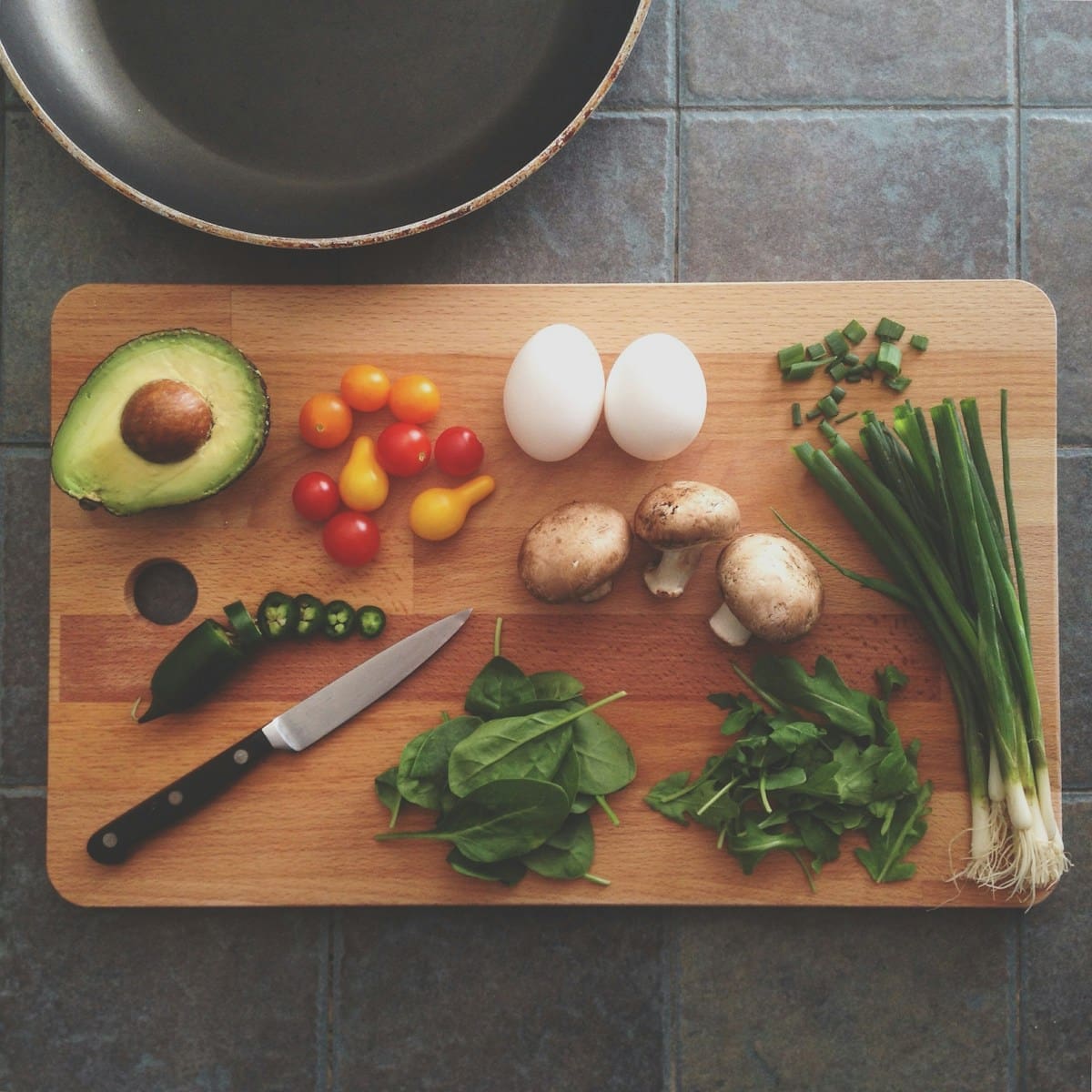
It’s natural to wonder, “What foods increase the chances of getting pregnant?”
When you’re trying to conceive, you’re probably brimming with excitement, hope, and perhaps a touch of anxiety. You’re suddenly looking at your own health and wondering if you are creating the ideal environment for pregnancy. Did you know that your diet could play a key role in this important chapter of life? While no single meal can guarantee conception, prioritizing the right nutrients can create an ideal environment for fertility and support your overall reproductive health.
This guide dives deeply into the best fertility-boosting foods, essential nutrients for conception, and actionable tips to enhance your diet during your pre-pregnancy journey.

Key Nutrients for Conception
Nutrition and fertility are closely linked. Ensuring you and your partner consume specific vitamins and minerals can make a considerable difference. Here are a few must-haves when trying to conceive:
1. Folate
Folate (or folic acid in its synthetic form) is one of the most critical nutrients for women trying to conceive. It supports healthy egg quality and reduces the risk of neural tube defects in early pregnancy. Foods rich in folate include spinach, broccoli, lentils, and fortified cereals.
2. Iron
Iron is an essential nutrient for anyone, but particularly for those trying to conceive. An iron deficiency can impair ovulation, so it’s crucial to maintain adequate iron stores. Incorporate lean meats, beans, tofu, and fortified grains into your meals to meet your daily iron requirements.
3. Omega-3 Fatty Acids
Healthy fats like omega-3s promote hormone balance and improve egg quality. They’re also beneficial for sperm health. Load up on fatty fish like salmon and sardines, as well as walnuts and flaxseeds.
4. Vitamin D
Vitamin D plays a significant role in regulating reproductive hormones. Sunlight exposure helps your body produce vitamin D, but you can also get it from fortified dairy products, egg yolks, and fatty fish.
5. Zinc
For both partners, zinc helps with egg quality and sperm production. Oysters are a well-known source, but beef, pumpkin seeds, and chickpeas are also excellent options.
Top Foods to Boost Fertility
The following foods are fertility superstars, packed with nutrients that support your reproductive health.
Leafy Greens
Dark, leafy greens like spinach, kale, and Swiss chard are loaded with folate, iron, and antioxidants—nutrients essential for both egg and sperm health.
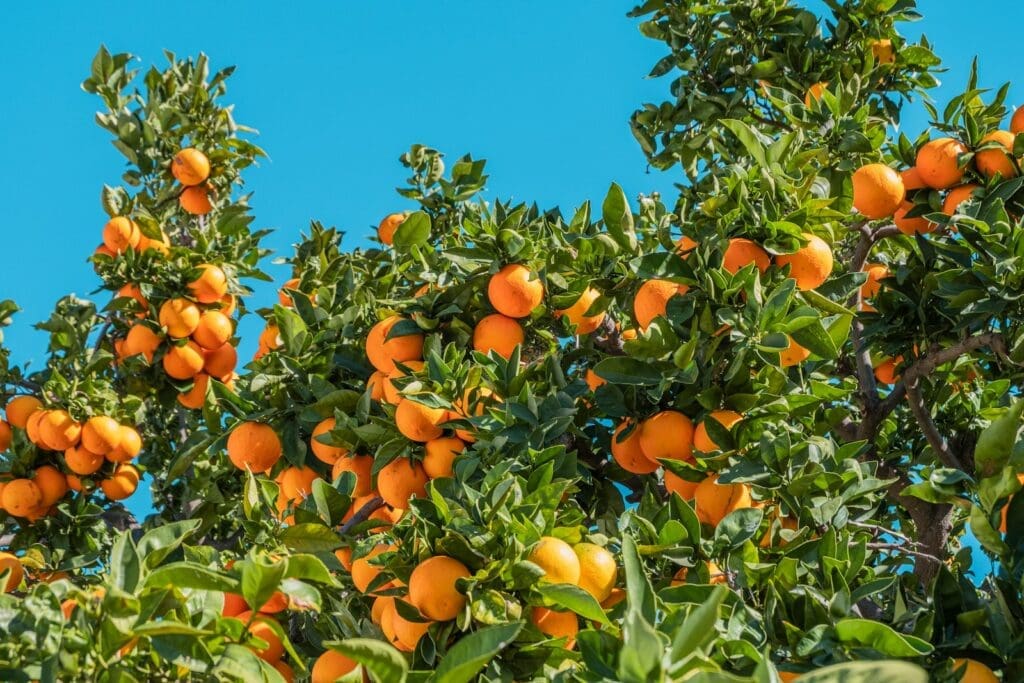
Citrus Fruits
Oranges, grapefruits, and lemons are packed with vitamin C, which can improve sperm quality and help women absorb iron.
Fatty Fish
Salmon, mackerel, and sardines are rich in omega-3 fatty acids, boosting hormone regulation and supporting embryo implantation. Choose low-mercury options to maximize benefits without compromising safety.
Whole Grains
Swap out white bread and rice for whole grains like quinoa, oatmeal, and brown rice, which provide B Vitamins, necessary for hormone regulation.
Full-Fat Dairy
Women who consume full-fat dairy are less likely to experience ovulatory infertility. Indulge in whole milk products like yogurt or cheese in moderation.
Beans and Lentils
These plant-based proteins are rich in folate and iron while supporting healthy ovulation cycles. Plus, they contain spermidine, which has been linked to increased fertility.
Nuts and Seeds
Walnuts, sunflower seeds, and flaxseeds deliver a powerful combination of omega-3s, vitamin E, zinc, and selenium to support reproductive health.

Foods to Avoid When Trying to Conceive
While fertility-friendly foods are crucial, avoiding certain items is equally essential. Here’s what to steer clear of during this time.
1. Sugar-Laden Processed Foods
Processed snacks and sugary beverages can spike insulin levels, disrupt hormones, and negatively affect ovulation. Instead, opt for whole, unprocessed alternatives.
2. Excessive Caffeine
Too much caffeine reduces fertility for both men and women. Aim to limit your intake to 200mg daily, the equivalent of one cup of coffee.
3. Heavy Alcohol Use
Excessive alcohol consumption can lower fertility rates by interfering with hormone function. Both partners benefit from cutting back on alcohol while trying to conceive.
4. High-Mercury Fish
While fish is an excellent source of omega-3s, avoid high-mercury varieties like tuna, shark, and swordfish, which can hinder fertility.
Meal Planning Tips for a Fertility-Friendly Diet
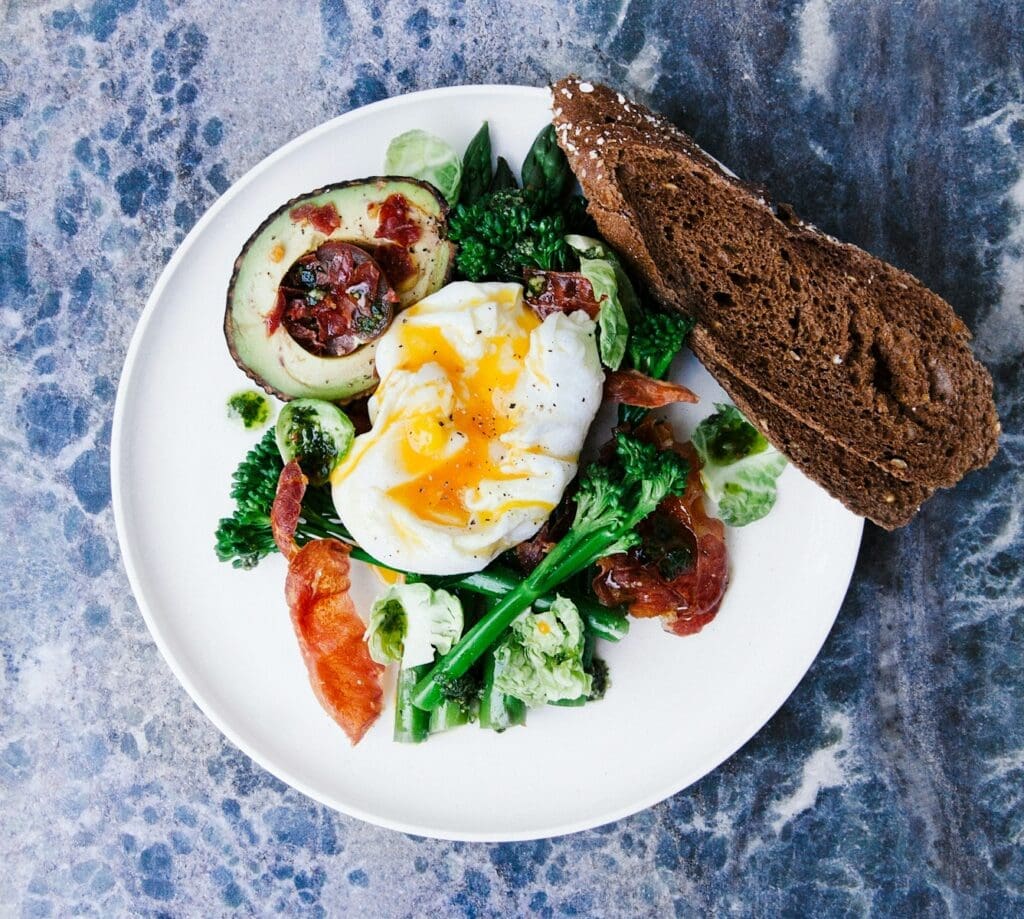
It may feel overwhelming to overhaul your diet, but small, consistent changes make everything easier. Here’s how to incorporate fertility-boosting foods into your daily life with ease.
Breakfast Ideas
- Spinach and Feta Omelette served with a slice of whole-grain toast.
- Greek yogurt topped with walnuts, flaxseeds, and a drizzle of honey.
Lunch Ideas
- Grilled Salmon Salad with mixed greens, avocado, and sunflower seeds.
- A nourishing grain bowl with quinoa, roasted chickpeas, kale, and tahini dressing.
Dinner Ideas
- Lentil Soup with a side of whole-grain bread.
- Baked Sardines with lemon and herbs over sautéed spinach.
Snack Ideas
- A handful of walnuts and a citrus fruit.
- Hummus with sliced carrots and cucumbers.
Batch-cooking and meal prepping over the weekend can streamline your efforts, ensuring nutrient-rich meals are readily available during busy weekdays.
Here’s a Simple Green Smoothie recipe that I created in collaboration with Molly Gray, ND of One Sky Family Medicine, and Stephanie Jones Jordan, RDN/LD of Wild & Wholesome

Ingredients:
- 6 large green leaves (chard, spinach, kale, collards) de-stemmed
- 1-2 cups of liquid (water or milk alternative)
- 1 cup frozen berries
- 1/2 frozen banana
- 1 scoop protein powder: whey, rice, or pea
Blend the liquid and green vegetables fully. Add all ingredients except protein powder and blend well. Add protein powder and blend just to combine ingredients. Overblending can make protein powders taste bitter or “off,” so just blend to combine.
For Fertility, Diet Isn’t Everything…
While diet plays a significant role in fertility, other lifestyle changes can complement this fertility-focused nutrition plan.
Stay Active
Engage in moderate exercise, like yoga or brisk walking, to maintain a healthy weight and reduce stress, both of which positively influence fertility.
Minimize Stress
Chronic stress can disrupt hormonal balance. Incorporate activities such as meditation, journaling, or spending time in nature to keep stress levels in check.
Prioritize Sleep
Adequate sleep ensures proper hormonal function for both partners. Aim for 7-9 hours of quality rest every night.
It’s Time To Prioritize Fertility Health
Your diet can be a powerful ally in your conception journey. By focusing on nutrient-rich foods, avoiding harmful ones, and complementing your diet with a healthy lifestyle, you’re setting yourself up for success.
If you’re ready to take the next step, having expert guidance can make all the difference. Reach out for a free 15-minute discovery call with one of our healthcare professionals to discuss pre-conception and pregnancy nutrition and health. Click here to book your call!
