

For centuries, ancient healing traditions have looked to nature for answers to our health concerns. One of the most revered remedies is Red Korean Ginseng, a powerful herb known for its wide-ranging benefits. If you’re exploring natural ways to support your well-being, particularly through transitions like menopause, you may be wondering if this plant could be right for you.
Understanding a new supplement can feel overwhelming, but you’ve come to the right place. This guide will walk you through what Red Korean Ginseng is, its potential health benefits, how you can incorporate it into your routine, and the important safety precautions to consider. By the end, you’ll have a clearer picture of how this ancient herb might fit into your personal health journey.
What is Red Korean Ginseng?
Red Korean Ginseng, or Panax ginseng, is a root that has been used in traditional medicine for thousands of years. It’s an “adaptogen,” which means it helps the body better cope with physical and mental stress. The “red” in its name comes from the way it’s prepared—fresh ginseng is steamed and then dried, a process that is believed to enhance its therapeutic properties.
This special preparation process increases the concentration of active compounds called ginsenosides, which are responsible for many of ginseng’s health effects. It’s this unique profile that sets Red Korean Ginseng apart and makes it a focus of modern research.
The Benefits of Red Korean Ginseng
Scientific studies have begun to explore the traditional claims about Red Korean Ginseng, and the results are promising. Here are some of the key benefits researchers are investigating.
Improved Sexual Function and Libido
For many women, especially during menopause, changes in libido and sexual function can be a frustrating reality. Research suggests that Red Korean Ginseng may offer support. A 2010 study found that oral administration of ginseng extracts significantly improved sexual arousal in menopausal women compared to a placebo. It’s thought that ginseng helps increase blood flow, which is crucial for arousal.
Stress Reduction and Energy Boost
Feeling constantly drained or stressed? As an adaptogen, Red Korean Ginseng may help your body build resilience. One study involving individuals with high stress levels found that taking the supplement helped stabilize the sympathetic nervous system, which governs our “fight or flight” response. Participants who took ginseng also experienced a decrease in epinephrine (adrenaline) levels, suggesting a calming effect on the body. Another study showed that taking 2g of Red Korean Ginseng daily for eight weeks helped reduce fatigue symptoms.
Antioxidant Properties
Antioxidants are vital for protecting our cells from damage caused by free radicals, which contribute to aging and chronic disease. Red Korean Ginseng is rich in these protective compounds. Studies have shown that it possesses significant antioxidant properties, helping to defend the body against oxidative stress.
Cognitive Benefits
If you’re looking for a natural way to sharpen your focus, Red Korean Ginseng might help. One small study noted a potential increase in cognitive function among participants taking the supplement. Another trial found that it had a positive effect on cognition in individuals experiencing high levels of stress. While more research is needed, these initial findings are encouraging for brain health.
Immune System Support
A strong immune system is your body’s best defense against illness. Research indicates that ginseng can help regulate the immune system, potentially increasing your resistance to microbial attacks. Some evidence even shows that taking ginseng may reduce your chances of catching a cold, or at least shorten its duration if you do get sick.
Blood Sugar Regulation
Maintaining stable blood sugar is essential for overall health, especially for those at risk of diabetes. Some research suggests that Panax ginseng may have a positive impact on insulin resistance. However, if you have diabetes, it’s crucial to be cautious, as ginseng can lower blood sugar levels and may interact with medications.
How to Use Red Korean Ginseng
Red Korean Ginseng comes in various forms, making it easy to add to your daily routine. Here are a few popular ways to use it:
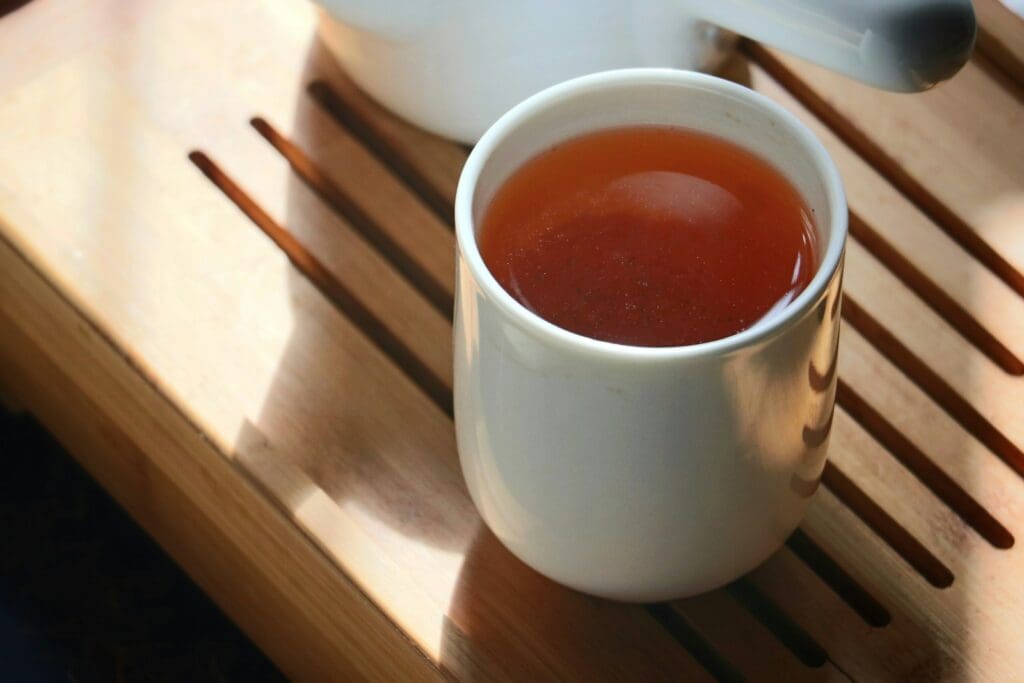
- Teas and Coffees: Ginseng powder can be steeped in hot water to make a warming tea or mixed into your morning coffee grounds before brewing. A little honey can help balance its earthy flavor.
- Smoothies and Soups: For a simple nutrient boost, blend a teaspoon of ginseng powder into your favorite smoothie. You can also add whole dried roots to a pot of soup and let them simmer for a few hours to infuse the broth.
- Slices and Tinctures: Some people prefer to steam the roots until soft, slice them thinly, and chew them directly. For a more concentrated dose, you can create a tincture by steeping dried roots in alcohol for several weeks.
Side Effects and Precautions
While Red Korean Ginseng offers many potential benefits, it’s a potent herb that isn’t suitable for everyone. It’s important to be aware of the possible side effects and interactions.
Potential Side Effects
Some people may experience side effects such as headaches, insomnia, dizziness, nausea, or stomach upset. Menstrual changes have also been reported in some patients.
Interactions with Medications
Ginseng can interact with certain medications. It may interfere with blood thinners like warfarin and could affect treatments for hormone-sensitive cancers. If you have high blood pressure, take stimulating medications, or use medication for diabetes, you should use ginseng with caution and under medical supervision.
Who Should Avoid It?
Dried or concentrated ginseng is generally not recommended for women going through menopause who experience hot flashes, as it is considered a “warming” herb. It should also be avoided by people with high blood pressure and during pregnancy.
Is Red Korean Ginseng Right for You?
Deciding to add a new supplement to your routine is a personal choice, and it’s one that deserves careful consideration. Red Korean Ginseng has a long history of use and a growing body of research supporting its benefits, particularly for energy, stress, and sexual function.
However, your health is unique. The best way to determine if this herb is a safe and effective option for you is to speak with a healthcare professional who understands both herbal medicine and your individual health needs. A naturopathic physician can help you weigh the potential benefits against the risks and guide you toward the best path for your wellness journey. If you live in the Seattle area, I would love to discuss your health concerns and whether ginseng or other herbal supplements may be appropriate for you!