

Have you seen health and fitness influencers on social media wearing a small patch on their arm? This device is a continuous glucose monitor (CGM), and it’s becoming a popular tool in the wellness community. Traditionally used by people with diabetes, CGMs track sugar (glucose) levels in real time. Now, many people without diabetes are using them to gain insights into their metabolic health, hoping to optimize their diet, exercise, and overall well-being.
If you’ve ever wondered how your body reacts to that morning latte or evening bowl of pasta, you’re not alone. The idea of getting instant feedback on your food choices is appealing. But is using a CGM for non-diabetics genuinely helpful, or is it just another health trend causing more anxiety than benefit?
This post will explore what CGMs are, what the science says about using them without a diabetes diagnosis, and how you can determine if this tool is a good fit for your personal health journey.
Understanding Continuous Glucose Monitors
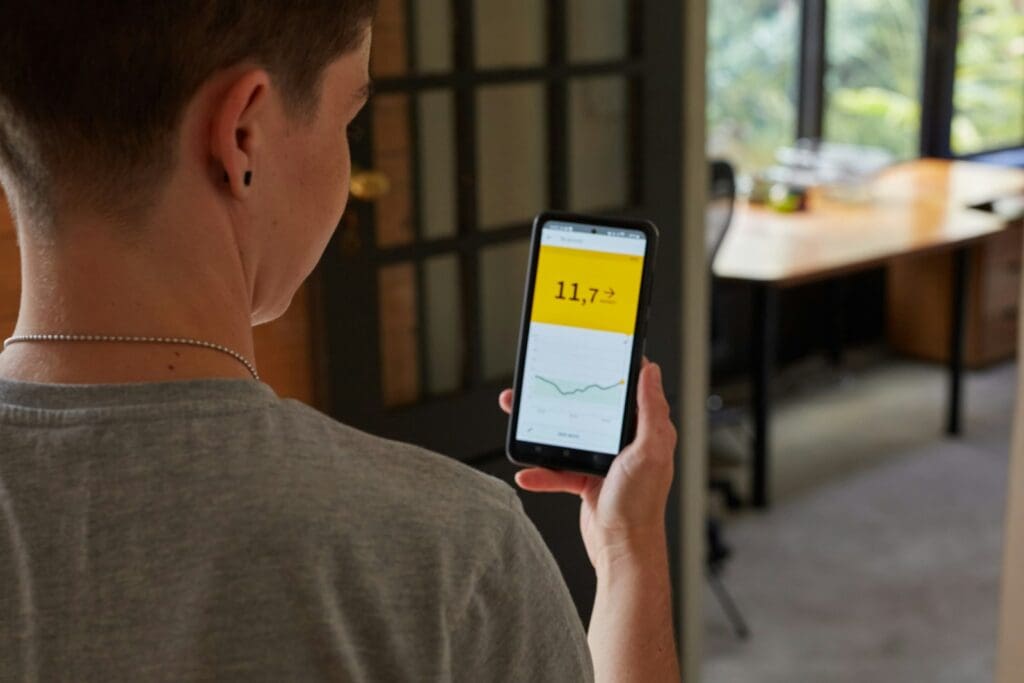
A continuous glucose monitor is a small, wearable device that tracks your glucose levels 24/7. It consists of a tiny sensor inserted just under the skin, which measures the glucose in your interstitial fluid—the fluid surrounding your cells. This data is then sent to your smartphone, providing a constant stream of information about how your blood sugar levels fluctuate throughout the day.
This technology is a significant step up from traditional finger-prick tests, which only provide a single snapshot of your blood sugar at one moment in time. With a CGM, you get to see the full picture: how your levels rise after a meal, dip during exercise, and change while you sleep.
Recently, the FDA approved the first over-the-counter CGMs, making them more accessible than ever. This has sparked a wave of interest from the “glucose curious”—people without diabetes who want to leverage this data to improve their health.
What Are Normal Blood Sugar Levels?
Before we explore the benefits of CGMs for non-diabetics, it’s important to understand what healthy blood sugar regulation looks like. For a healthy person without diabetes, blood glucose levels typically remain within a stable range.
- Fasting Glucose: Before eating, your blood sugar should generally be below 100 mg/dL.
- Post-Meal Glucose: After a meal, it’s normal for blood sugar to rise, but it should stay below 140 mg/dL.
It’s natural for your glucose levels to fluctuate. Brief spikes after meals are a normal physiological response. A healthy body efficiently releases insulin to bring these levels back down. The goal isn’t to maintain a flat line but to ensure your body is responding effectively to the foods you eat and the activities you do.
The Potential Benefits of CGM for Non-Diabetics
Why would someone without diabetes want to track their blood sugar so closely? The data from a CGM can offer powerful, personalized insights that empower you to make more informed decisions about your health.
Personalized Nutrition Insights
Have you ever wondered why your friend can eat a plate of pasta and feel great, while the same meal leaves you feeling sluggish and tired? The truth is, our bodies respond to food differently. Research shows there is significant variability in glucose responses to the same meal among different individuals.
A CGM can act as your personal nutrition guide. For instance, you might find that oatmeal, often touted as a healthy breakfast, causes a sharp spike in your blood sugar. Dr. Vijaya Surampudi, an endocrinologist at UCLA Health, notes, “for some people, they eat oatmeal and their blood-sugar level shoots up over 200… With a CGM, they can identify that.” This information allows you to make simple swaps—like adding protein and healthy fats to your oatmeal—to stabilize your response.
Motivation to Build Healthier Habits
Seeing the immediate impact of your choices can be a powerful motivator. When you see how a brisk walk after dinner helps level out your glucose, you’re more likely to make that walk a regular habit. This quick feedback loop can encourage positive changes in diet, exercise, and even stress management.
Identifying Hidden Issues
While a CGM is not a diagnostic tool, it can sometimes reveal underlying issues. For some, it might uncover a previously unknown sensitivity to carbohydrates. For others, it could highlight early signs of insulin resistance or prediabetes, prompting a conversation with a healthcare provider. As one expert noted, there’s an argument that CGMs can help pick up very early prediabetes or undiagnosed diabetes.
Other factors that can influence your blood sugar include:
- Poor sleep
- Dehydration
- Stress
- Caffeine
- Skipping meals
- Perimenopause
A CGM can help you connect the dots between your lifestyle and your metabolic health, creating a more complete picture of your well-being.
The Downsides and Cautions
Despite the potential benefits, using a CGM without professional guidance isn’t without its risks. The constant stream of data can sometimes do more harm than good.
The Risk of Health Anxiety
For some, access to this much data can lead to hyper-vigilance and anxiety. It’s easy to become overly concerned with normal, healthy fluctuations in blood sugar. Dr. Surampudi shared her personal experience of using a CGM during pregnancy, admitting, “I became overly cautious because of the blood-sugar readings on the sensor, and I wasn’t eating enough.”
This anxiety can even lead to orthorexia, an unhealthy obsession with “correct” eating, where people might start avoiding perfectly healthy foods like fruit simply because they cause a temporary glucose spike.
Misinterpreting the Data
It’s crucial to remember that CGM data isn’t always perfectly accurate. CGMs measure glucose in the fluid between cells, not directly in the blood, which can lead to slight discrepancies and delays compared to a finger-prick test. Factors like pressure on the sensor while sleeping can also cause falsely low readings.
Without proper context, it’s easy to misinterpret these readings. A spike after a meal might be seen as a negative event when, in reality, it could be a perfectly normal response. This is why having a healthcare professional to help interpret the data is so important.
Is It a Substitute for Standard Tests?
For diagnosing conditions like prediabetes, the HbA1c test remains the gold standard for diagnosis. This test measures your average blood sugar over the past three months and is not influenced by daily fluctuations. A CGM is a tool for monitoring trends, not for diagnosis.
Is a CGM Right for You?
So, is using a CGM for non-diabetics worth it? The answer is: it depends.
For those who are “glucose curious” and can approach the data with a sense of informed detachment, a CGM can be a fantastic tool for learning about your body. It can empower you to fine-tune your diet and lifestyle for better energy, mood, and long-term health.
However, if you have a history of health anxiety or disordered eating, the constant data stream might be more stressful than helpful.
The key to using a CGM effectively is to focus on patterns, not perfection. Look for trends over time. How does your body respond to different types of meals? How does exercise or a poor night’s sleep affect your glucose levels? This big-picture view is where the true value lies.
Take the Next Step in Your Health Journey
Understanding your metabolic health is a powerful step toward living a more vibrant, balanced life. While a CGM for non-diabetics can offer valuable insights, it’s just one piece of the puzzle. Working with a knowledgeable practitioner can help you interpret the data correctly and create a personalized plan that works for you.
If you’re ready to explore your metabolic health further, we’re here to help. Reach out for an appointment today to get a full blood panel, discuss your diet, and see if a CGM is right for you! Together, we can uncover the root causes of your health concerns and empower you on your journey to optimal wellness.