As a naturopathic doctor practicing in Seattle for many years, I’ve watched countless women struggle through perimenopause, feeling like their bodies have suddenly become strangers. Hot flashes disrupt your sleep, brain fog makes you forget where you put your keys (again), and that stubborn weight gain seems impossible to budge. Sound familiar?
Here’s what I wish every woman knew: Nutrition can be your most powerful ally during this transition. The Mediterranean diet isn’t just another eating plan; it’s a science-backed approach that addresses many of the challenges you’re facing right now. From supporting hormone balance to protecting your heart health, this way of eating offers real relief for perimenopausal symptoms.
If you’re tired of feeling like you’re fighting an uphill battle with your changing body, let me share why the Mediterranean diet might be the missing piece in your wellness puzzle.
What Makes the Mediterranean Diet Special?
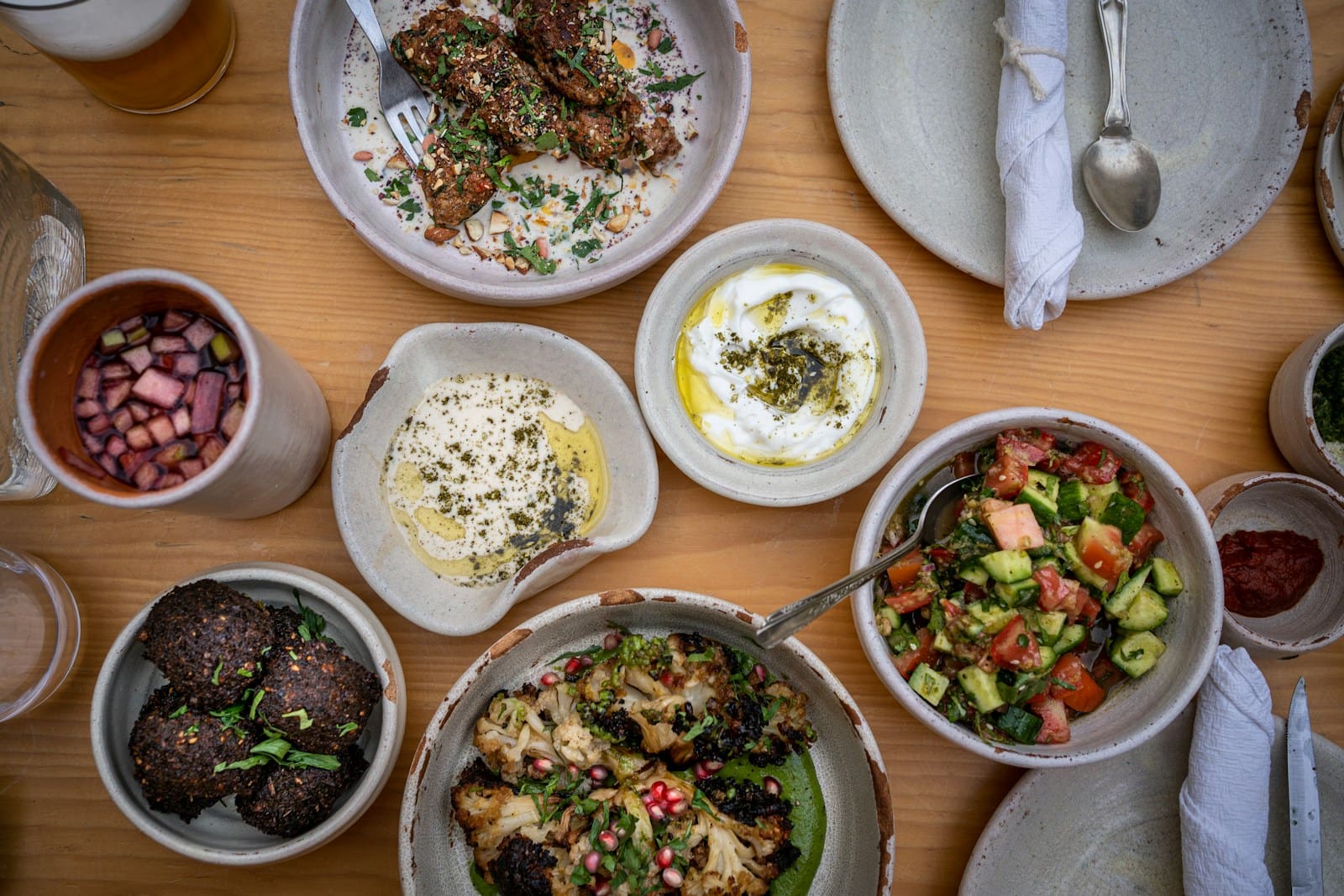
The Mediterranean diet draws inspiration from the traditional eating patterns of countries like Greece, Italy, and Spain. But here’s what sets it apart from every fad diet you’ve tried: it’s not about restriction or deprivation. Instead, it celebrates abundance—abundant flavors, colors, and nutrients that work together to support your body through hormonal changes.
At its core, this eating pattern emphasizes:
Plant-forward meals: Think colorful vegetables, fresh fruits, and fiber-rich legumes taking center stage on your plate. These foods provide the antioxidants and phytonutrients your body craves during perimenopause.
Healthy fats: Extra virgin olive oil, nuts, seeds, and fatty fish provide essential omega-3 fatty acids that help reduce inflammation and support brain health.
Whole grains: Quinoa, brown rice, and whole wheat products offer steady energy without the blood sugar spikes that can worsen mood swings.
Lean proteins: Fish, seafood, poultry, and plant-based proteins support muscle maintenance as estrogen levels decline.
Minimal processing: Fresh, seasonal ingredients prepared with herbs and spices instead of relying on packaged foods loaded with additives.
The beauty lies in its flexibility. There’s no calorie counting, no forbidden foods lists, and no rigid meal timing. It’s a sustainable lifestyle that honors both your health needs and your enjoyment of food.
Why Perimenopause Changes Everything
Before we dive into the benefits, let’s acknowledge what’s happening in your body right now. During perimenopause, your estrogen and progesterone levels begin their unpredictable dance toward menopause. This hormonal fluctuation affects virtually every system in your body.
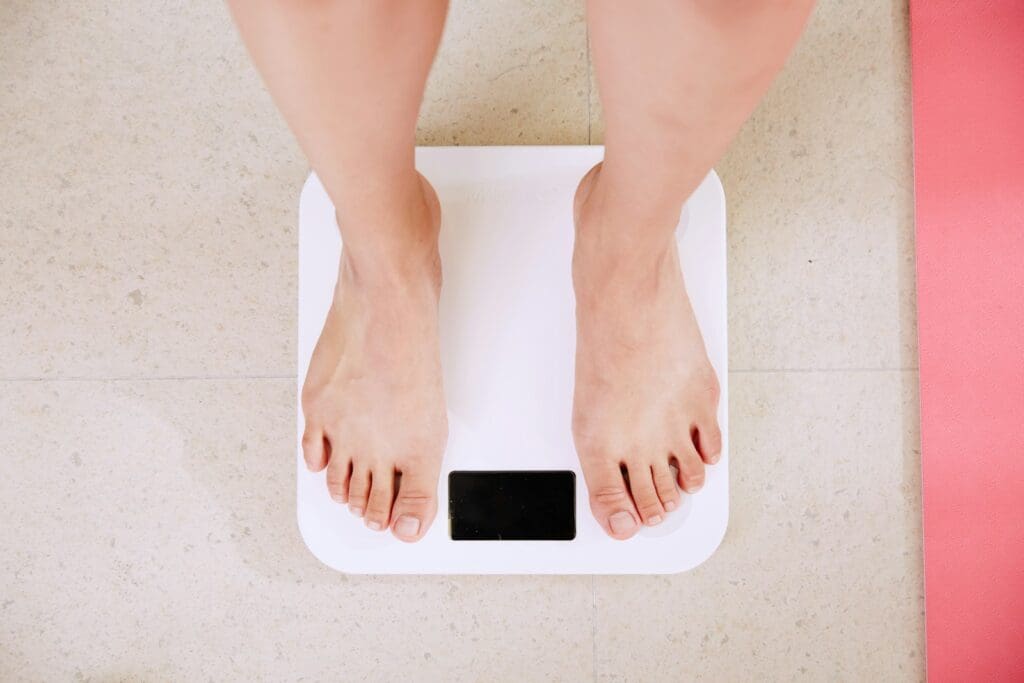
Your metabolism slows down, making weight management more challenging. Insulin sensitivity decreases, increasing your risk for blood sugar imbalances. Inflammation levels rise, contributing to joint aches and mood changes. Your cardiovascular risk increases as estrogen’s protective effects diminish.
This is where the Mediterranean diet becomes particularly powerful. Its anti-inflammatory properties, hormone-supporting nutrients, and metabolic benefits directly address the physiological changes you’re experiencing.
Heart Health Protection When You Need It Most
Cardiovascular disease becomes the leading health concern for women after menopause, largely due to declining estrogen levels. The Mediterranean diet offers remarkable protection for your heart during this vulnerable transition.
Research consistently shows that this eating pattern reduces LDL (“bad”) cholesterol while increasing HDL (“good”) cholesterol. The abundant omega-3 fatty acids from fish like salmon, sardines, and mackerel help reduce inflammation in blood vessels. Meanwhile, the antioxidants from colorful vegetables and fruits protect against oxidative stress.
One landmark study found that women following a Mediterranean diet had a 25% lower risk of heart disease. For women in perimenopause, this protection is crucial as hormonal changes increase cardiovascular risk factors like blood pressure and cholesterol levels.
The potassium-rich foods—think leafy greens, tomatoes, and avocados—naturally support healthy blood pressure. The fiber from whole grains and legumes helps your body eliminate excess cholesterol. It’s a comprehensive approach to heart health that works with your changing physiology.
Brain Fog Relief and Cognitive Protection
That frustrating brain fog plaguing your days isn’t “just in your head”—it’s a real consequence of hormonal fluctuations affecting neurotransmitter production and brain inflammation. The Mediterranean diet offers powerful support for cognitive function during perimenopause.
The omega-3 fatty acids, particularly DHA found in fatty fish, are essential for brain health and memory formation. Antioxidant-rich foods like blueberries, dark leafy greens, and extra virgin olive oil help protect brain cells from oxidative damage.
Studies suggest that women following Mediterranean eating patterns have better cognitive performance and lower rates of age-related cognitive decline. The anti-inflammatory compounds in this diet may help reduce the neuroinflammation that contributes to brain fog and memory issues.
The stable blood sugar levels promoted by this eating pattern also support steady energy and mental clarity throughout the day—no more 3 p.m. crashes that leave you reaching for sugary snacks.
Weight Management That Actually Works
Let’s be honest about perimenopause weight gain—it’s frustrating, stubborn, and seems to ignore your previous weight management strategies. The Mediterranean diet approaches this challenge differently than restrictive diets that often backfire.
Rather than focusing on calorie restriction, this eating pattern emphasizes nutrient density and satiety. The combination of healthy fats, fiber-rich foods, and lean proteins helps you feel satisfied while naturally controlling portion sizes. You’re not fighting hunger or cravings—you’re nourishing your body with foods that support stable energy and mood.
The anti-inflammatory properties of Mediterranean foods may help improve insulin sensitivity, making it easier for your body to maintain a healthy weight. The emphasis on whole foods over processed options reduces empty calories and supports your metabolism.
Many of my patients find that the Mediterranean diet helps them break the cycle of restrictive eating followed by rebounds. It’s sustainable because it includes pleasure and flexibility while supporting your body’s changing needs.
Inflammation Reduction for Overall Wellness
Chronic inflammation underlies many perimenopausal symptoms—from joint aches to mood swings to sleep disturbances. The Mediterranean diet is inherently anti-inflammatory, offering relief for multiple symptoms at once.
Extra virgin olive oil contains compounds like oleocanthal that have anti-inflammatory effects similar to ibuprofen. Fatty fish provide omega-3s that help resolve inflammation. Colorful fruits and vegetables supply antioxidants that neutralize inflammatory free radicals.
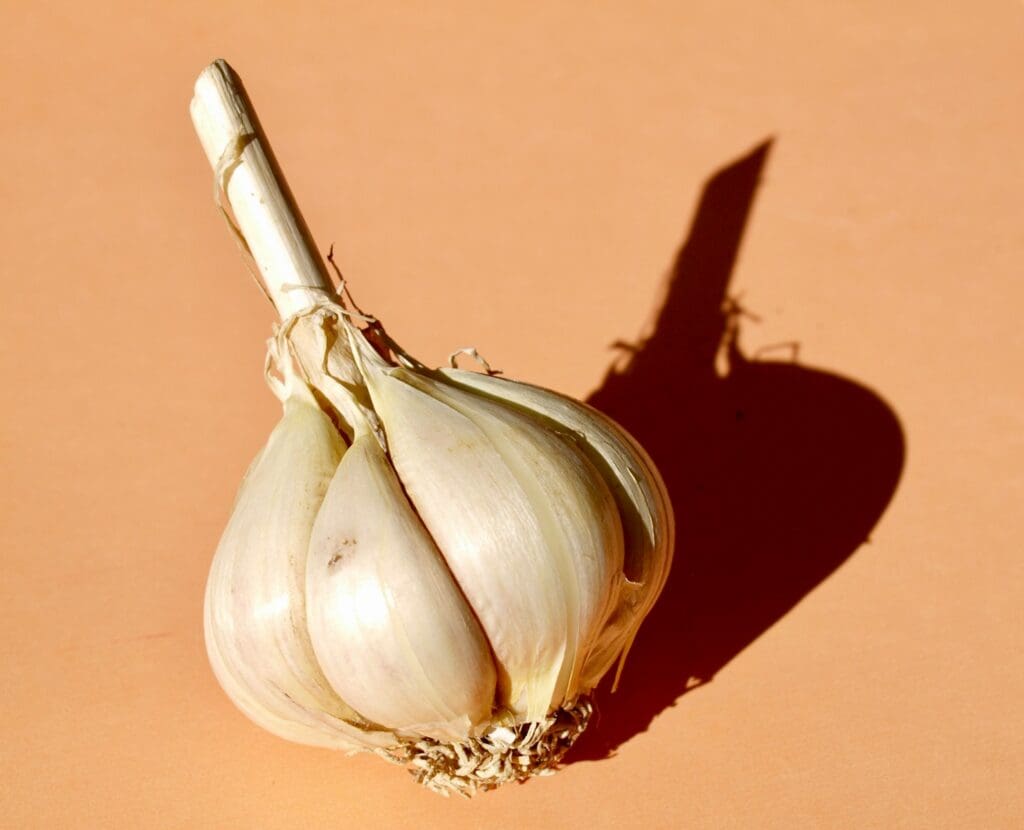
The herbs and spices commonly used in Mediterranean cooking—oregano, turmeric, garlic, and rosemary—contain potent anti-inflammatory compounds. By reducing systemic inflammation, this eating pattern can help alleviate joint pain, improve mood stability, and support better sleep quality.
Supporting Bone Health Through Nutrition
Estrogen decline during perimenopause accelerates bone loss, making nutrition for bone health a priority. The Mediterranean diet provides multiple nutrients essential for maintaining strong bones.
Leafy greens like kale and spinach supply vitamin K, crucial for bone metabolism. The calcium from dairy products like yogurt and cheese supports bone density. Fatty fish provide vitamin D, which helps your body absorb calcium effectively.
The anti-inflammatory nature of this diet also benefits bone health, as chronic inflammation accelerates bone loss. The moderate amounts of wine traditionally included in Mediterranean eating patterns may provide additional bone-protective compounds, though this benefit can be obtained from grape juice for those who don’t drink alcohol.
Getting Started: Your Mediterranean Transition Plan
Transitioning to Mediterranean eating doesn’t require a complete kitchen overhaul overnight. Here’s how to begin incorporating these healing foods into your daily routine:
Week 1: Stock Your Kitchen
Start by adding Mediterranean staples to your shopping list. Extra virgin olive oil, nuts, seeds, canned fish, whole grains, and plenty of colorful produce form the foundation. Don’t feel pressured to buy everything at once—build your Mediterranean pantry gradually.
Week 2: Focus on Vegetables
Aim to fill half your plate with vegetables at lunch and dinner. Try roasting Mediterranean vegetables like zucchini, eggplant, and bell peppers with olive oil and herbs. Add leafy greens to smoothies, soups, and pasta dishes.
Week 3: Embrace Healthy Fats
Replace butter with olive oil for cooking and dressing salads. Add a handful of nuts or seeds to breakfast or snacks. Include fatty fish like salmon or sardines 2-3 times per week.
Week 4: Whole Grains and Legumes
Swap refined grains for whole grain versions. Try quinoa, farro, or brown rice as bases for meals. Add beans, lentils, or chickpeas to salads, soups, and stews for protein and fiber.
Sample Mediterranean Day for Perimenopause
Here’s what a nourishing Mediterranean day might look like, designed specifically with perimenopausal needs in mind:
Breakfast: Greek yogurt topped with walnuts, berries, and a drizzle of honey, plus whole grain toast with avocado. This combination provides protein for stable blood sugar, healthy fats for hormone production, and antioxidants for inflammation support.
Lunch: Quinoa salad with chickpeas, cucumber, tomatoes, feta, and olive oil-lemon dressing, served with hummus and vegetables. This meal offers plant-based protein, fiber for digestive health, and anti-inflammatory compounds.
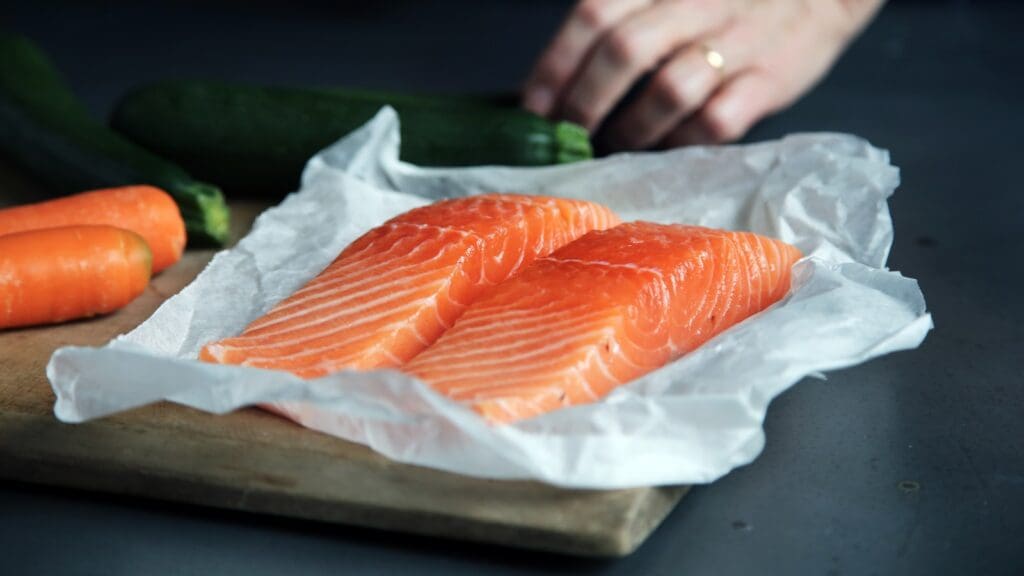
Dinner: Here is a fabulous salmon recipe I developed with my friends Molly Gray, ND of One Sky Family Medicine, and Stephanie Jones Jordan, RDN/LD of Wild Wholesome.
Baked salmon is an amazingly healthy and very easy entree to cook. You can put a frozen or fresh fish directly in the oven, just add a few minutes of extra cooking time for the frozen. After living in the Pacific Northwest for 15 years, I can tell you the worst thing you can do to a salmon is overcook it!
INGREDIENTS:
1 T butter (organic, grass-fed)
2 salmon fillets (~ 5 oz each)
1/2 tsp salt
1/4 tsp pepper
1 lemon, cut into wedges
DIRECTIONS:
Preheat the oven to 450. Line a baking sheet with parchment paper (for easy clean up). Drizzle cooking fat over the paper and spread to coat the paper. Place the salmon, skin-side down, on the lined baking sheet. Season the salmon evenly with salt and pepper. Bake the salmon for 10 to 12 minutes. Remove the salmon from the oven and transfer to a plate. Serve with a lemon wedge.
Snacks: A handful of almonds with dried apricots, or vegetables with tzatziki made from Greek yogurt.
Making It Work in Real Life
Living in Seattle, I understand the challenges of maintaining healthy eating habits when life gets busy. The Mediterranean diet actually works well with our Pacific Northwest lifestyle—we have access to fantastic seafood, seasonal produce, and a culture that appreciates good food.
The key is preparation without perfection. Cook extra quinoa or roast vegetables in batches. Keep canned fish, nuts, and olive oil on hand for quick meals. Embrace the flexibility—if you can’t find fresh fish, frozen works beautifully. If organic vegetables aren’t in budget, conventional produce still provides valuable nutrients.
Remember, this is about progress, not perfection. Even small shifts toward Mediterranean eating can provide benefits for your perimenopausal symptoms and long-term health.
Your Path to Hormonal Balance Through Food
The Mediterranean diet offers something many women in perimenopause desperately need: a sustainable approach to eating that supports their changing bodies without adding stress or restriction. It’s not about following rigid rules—it’s about embracing a way of eating that reduces inflammation, supports hormone balance, and provides the nutrients your body needs during this transition.
As both a naturopathic physician and someone who’s supported thousands of women through perimenopause, I’ve seen firsthand how powerful nutrition can be in managing symptoms and supporting overall wellness. The Mediterranean diet provides a framework that honors both your health needs and your relationship with food.
If you’re ready to explore how nutrition can support your journey through perimenopause, I invite you to schedule a free 15-minute discovery call. Together, we can discuss how the Mediterranean diet and other naturopathic approaches might fit into your personalized wellness plan. Your body is changing, but that doesn’t mean you have to suffer through it—let’s work together to help you thrive.