

Quick answer: Chronic stress depletes your body over time, but simple, natural steps—moderate exercise, stress-reducing foods, mindfulness practices, and smart lifestyle adjustments—can meaningfully lower cortisol and restore balance. I am Dr. Melissa McCarty of Roots of Health and I am here to explain what stress does to your body and offer practical, holistic advice for finding your calm.
What does your doctor really mean when they tell you to “reduce stress”? I know how frustrating that advice can feel when you’re already stretched thin. Here’s the truth: stress itself isn’t the enemy. It’s a natural response built into all of us, one that historically helped humans survive real threats. The problem arises when that response never switches off. Chronic stress depletes the body, and over time, it can affect nearly every system you rely on to feel well.
The good news is there are tangible, natural steps you can take today to lower your stress levels and start feeling more like yourself again. In this guide, we’ll walk through what stress actually does to your body, the exercises, foods, and relaxation techniques that can help counteract it, and the daily habits that support lasting calm. If you’re navigating menopause, a chronic illness, or simply the accumulated weight of a busy life, this is written with you in mind.
What Is Stress and What Does It Do to Your Body?
Stress is a natural physical and mental reaction to life experiences. Anything from a packed schedule to a health diagnosis can trigger it. In short bursts, stress can actually help you cope with a demanding situation. Your body responds by releasing hormones like adrenaline and cortisol, which increase your heart rate, direct blood flow to your muscles, and sharpen your focus (American Institute of Stress, 2025).
That response is incredibly useful in the moment. But when stress continues longer than necessary, it takes a toll. Chronic stress can affect:
- Respiratory and cardiovascular systems: Faster breathing and heart rate, along with constricted blood vessels, can raise your risk of high blood pressure, heart attack, or stroke.
- Digestive system: Excess blood sugar production and disrupted digestion can increase your risk for type 2 diabetes and cause symptoms like heartburn or nausea.
- Immune system: While short-term stress can boost immunity, chronic stress weakens your body’s defenses, making you more susceptible to illness and slower to recover.
- Sexual and reproductive health: For women, chronic stress can disrupt menstrual cycles, worsen menopause symptoms, lower libido and contribute to fertility challenges.
Understanding this cascade is the first step toward addressing it—not just managing the symptoms, but supporting your body’s ability to regulate itself.
What Are the Best Exercises for Stress Relief?
Movement is one of the most effective tools we have for managing stress. According to the Anxiety and Depression Association of America (ADAA), exercise produces endorphins, natural painkillers that also improve sleep and reduce tension. In fact, just five minutes of aerobic activity can begin to stimulate anti-anxiety effects, and regular exercise has been shown to reduce the likelihood of developing anxiety or depression by 25% over five years.
You don’t need an intense workout to see benefits. Walking, swimming, and other moderate aerobic activities lower cortisol and clear emotional intensity, helping you think more calmly and respond to challenges with a clearer head.
Here in the Pacific Northwest, our weather doesn’t always cooperate with outdoor plans. But that’s no reason to stay inside. A rainy-day walk can be surprisingly calming. Less crowded trails and the earthy scent of petrichor after rainfall have a naturally soothing effect. Forest bathing, or quietly immersing yourself in our region’s old-growth forests, is another wonderful way to lower stress hormones while reconnecting with nature.
Even on overcast days, stepping outside during daylight hours helps regulate the hormones that control your mood. Natural light, even filtered through clouds, is more beneficial for your brain than artificial indoor lighting.
What Foods and Nutrition Help Reduce Stress?
When you’re stressed, your body releases cortisol, which can trigger cravings for sugary, high-carb comfort foods. Unfortunately, giving in to those cravings often makes you feel worse afterward. Instead, try reaching for foods that genuinely support your body’s stress response:
- Asparagus: High in folate, which supports emotional regulation
- Avocados: Rich in magnesium and glutathione, which help protect against oxidative damage
- Berries: Packed with vitamin C, shown to lower blood pressure and cortisol after stressful events
- Cashews: A good source of zinc, which has been linked to reduced anxiety
- Fatty fish like salmon: High in omega-3 fatty acids, which help fight inflammation and protect against cortisol surges
- Leafy greens and beans: Rich in fiber and folate, which have been shown to lower anxiety
- Nuts: A great source of vitamins, protein, and healthy fats that support steady energy and mood
On the flip side, it’s worth limiting caffeine, alcohol, sugar, and artificial sweeteners. These substances may offer temporary relief, but they often disrupt sleep, lower serotonin, and worsen stress and anxiety over time.
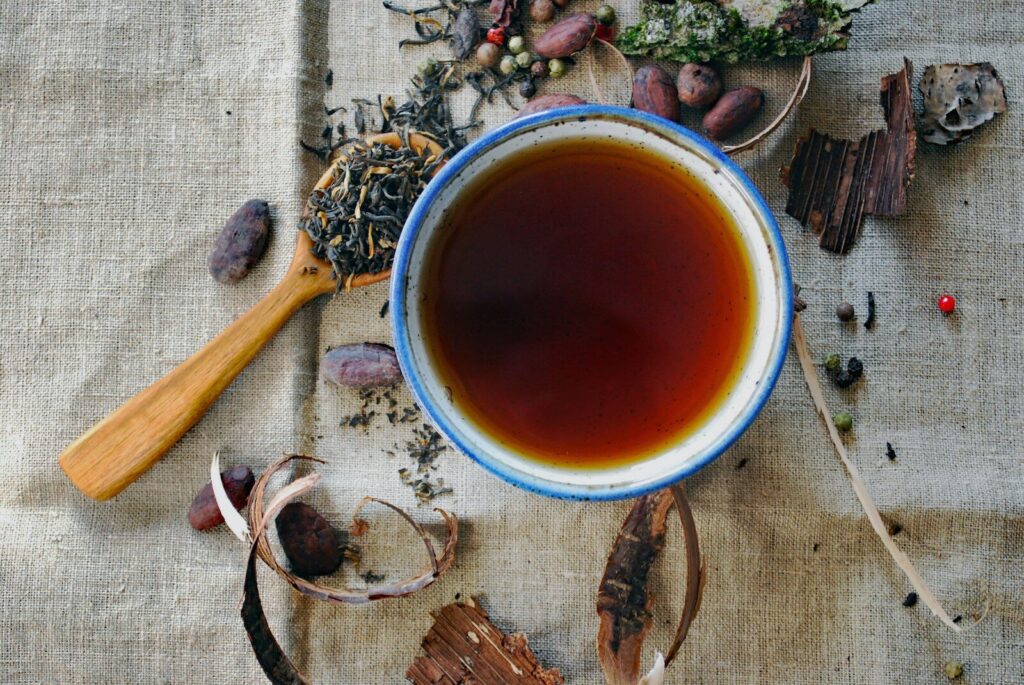
If you’re looking for a comforting ritual, consider a cup of tea. Chamomile, lavender, lemon balm, and green tea have all been associated with reduced stress and improved calm. Beyond their potential physiological benefits, the simple act of pausing to prepare and sip tea can itself be a grounding, mindful practice.
What Relaxation Techniques and Mindfulness Practices Actually Work?
Relaxation isn’t a luxury. It’s a necessary part of regulating your nervous system. One of the simplest and most effective techniques is deep diaphragmatic breathing. When you’re stressed, your breathing tends to become shallow, which prevents your body from fully expelling stale air and can worsen muscle tension. Try this: pause for five minutes, breathe deeply through your nose, and exhale slowly. Repeating this throughout the day, especially during high-pressure moments, can make a noticeable difference.
If you’re local to the area, consider connecting with a group like Mindfulness Northwest, which offers structured classes and meditation programs designed specifically for stress reduction.
Other simple but effective practices include taking a hot bath or shower to relieve physical tension, or spending time outdoors. These aren’t just pleasant activities. They’re genuine tools for lowering stress hormones and supporting your body’s natural ability to reset.
What Lifestyle Adjustments Help Manage Daily Stress?
Beyond exercise, nutrition, and mindfulness, the way you structure your daily life plays a major role in your overall stress levels. Here are some adjustments worth considering:
- Plan ahead: Preparing the night before, whether that’s laying out clothes or prepping lunches, can prevent the chaos of a rushed morning.
- Practice realistic time management: Prioritize your most important tasks and accept that you won’t get to everything. Leaving buffer time between commitments reduces the stress of back-to-back scheduling.
- Build a strong support network: Talking through your challenges with trusted friends or family can help clear your mind and offer new perspectives.
- Say no when you need to: Overcommitting is one of the fastest paths to burnout. Protecting your time is an act of self-care, not selfishness.
- Consider volunteering: Helping others has been shown to build resilience and improve your own sense of wellbeing.
- Focus on what you can control: Letting go of what’s outside your influence frees up mental energy for what actually matters.
- Practice gratitude: Taking a moment each day to note what’s going well can shift your overall outlook, even during difficult stretches.
None of these adjustments require a complete lifestyle overhaul. Small, consistent changes add up over time.
How Do You Maintain Your Peace Long-Term?
Reducing stress isn’t a one-time fix. It’s an ongoing practice that requires consistency, especially as seasons and circumstances change. Here in the Pacific Northwest, our long, dark winters present a unique challenge. Reduced daylight can affect mood-regulating hormones, and this seasonal shift impacts a meaningful portion of our region’s residents.
During darker months, get sunlight whenever you can, including scheduling breaks to walk outside. Regular exercise and intentional time outdoors, even on cloudy days, supports your body’s natural rhythms year-round.
Ultimately, maintaining your peace comes down to balance. Some weeks will call for more rest, others for more activity. The goal isn’t perfection. It’s building a toolkit of natural strategies you can draw from as your needs shift.
Ready for a Personalized Stress-Relief Plan?
Every woman’s relationship with stress is different, shaped by her health history, her hormones, and her life circumstances. If you’re ready to move beyond generic advice and build a plan tailored to your body and your goals, I’d love to help.
Schedule an appointment with me today, and let’s create a personalized path toward calm, together.
Frequently Asked Questions
How quickly can natural methods reduce stress?
Some techniques, like deep breathing or a short walk, can produce a noticeable calming effect within minutes. Longer-term changes, like reduced cortisol levels or improved sleep, typically take a few weeks of consistent practice to become apparent.
Is exercise really as effective as medication for anxiety and stress?
Research suggests that for some people, regular exercise can be as effective as medication in reducing symptoms of anxiety and depression (ADAA). That said, everyone responds differently, and exercise works best as part of a broader, personalized approach.
What if I don’t have time for a full workout?
You don’t need one. Studies show that a 10-minute walk can offer benefits comparable to a much longer workout session, particularly for immediate mood improvement.
Can diet alone reduce my stress levels?
Diet plays a meaningful supporting role, but it works best alongside other strategies like exercise, mindfulness, and adequate sleep. Think of stress-relieving foods as one piece of a larger, holistic puzzle.
Are these natural approaches a replacement for medical care?
No. These strategies are meant to complement, not replace, professional medical guidance—especially if you’re managing a chronic illness or significant symptoms. A personalized consultation can help determine the right combination of approaches for your specific needs.