
The foods, habits, and supplements that can help you boost GLP-1 every day
Unless you’ve been living under a fairly substantial rock the last couple of years, you have probably heard all about GLP-1 medication. It seems like everyone from the mail carrier to your favorite actors is allegedly on them. Originally formulated as medicine for people with diabetes, the buzz is surrounding their new use as weight management medications. These prescriptions are changing how we view metabolism and blood sugar control. But what exactly makes them work? The secret lies in a hormone called GLP-1, or glucagon-like peptide-1.
Your body already knows how to make this powerful hormone. It is a natural chemical messenger that plays a vital role in blood sugar regulation, satiety, and overall metabolic health. When your levels are optimal, you feel pleasantly full after meals, experience fewer cravings, and maintain a more stable energy level throughout the day.
For many women, especially those navigating the hormonal shifts of perimenopause and menopause, metabolic health can suddenly feel like an uphill battle. You might notice new cravings, stubborn weight changes, or frustrating energy crashes. Understanding how to support your body’s innate healing processes can give you back a sense of control.
By making specific, intentional changes to how you eat and live, you can encourage your digestive system to produce more of this beneficial hormone. Let us explore the science behind this process and discover natural ways to empower your health journey.
The Science of L-Cells and Hormone Production
To understand how to elevate your levels naturally, we need to look at where this hormone comes from. Your intestines are lined with specialized cells known as L-cells. When you consume a meal, these cells sense the incoming nutrients and release GLP-1 directly into your bloodstream.
Once released, this hormone acts as a brilliant communicator. It sends a message to your pancreas to release insulin, which helps clear glucose from your blood and move it into your cells for energy. At the same time, it signals your brain that you are getting full and tells your stomach to empty its contents more slowly. This complex communication network keeps you feeling satisfied long after your meal is finished.
Prescription medications are engineered to mimic this hormone and stay in your system for days. However, as noted in a recent article on how it is a hormone your body produces naturally, your naturally produced GLP-1 has a very short lifespan. Enzymes break it down quickly. Because of this rapid breakdown, consistent daily habits are the most effective way to optimize your natural hormone response.
Dietary Powerhouses for GLP-1 Production
Nutrition is one of the most empowering tools you have at your disposal. The foods you choose to put on your plate directly influence how your L-cells behave. By prioritizing specific nutrients, you can build a diet that naturally supports satiety and metabolic balance.
Fiber and Prebiotics
Dietary fiber is essential for optimal digestion, but its benefits extend far beyond keeping you regular. Soluble fiber acts as a prebiotic, meaning it feeds the beneficial bacteria living in your lower digestive tract.
When your gut bacteria ferment this fiber, they produce compounds called short-chain fatty acids, including one known as butyrate. These short-chain fatty acids bind to receptors on your L-cells and directly stimulate hormone release. Furthermore, high-fiber foods take longer to digest. This slow digestion creates a gradual release of glucose into your bloodstream, which helps keep your insulin response steady.
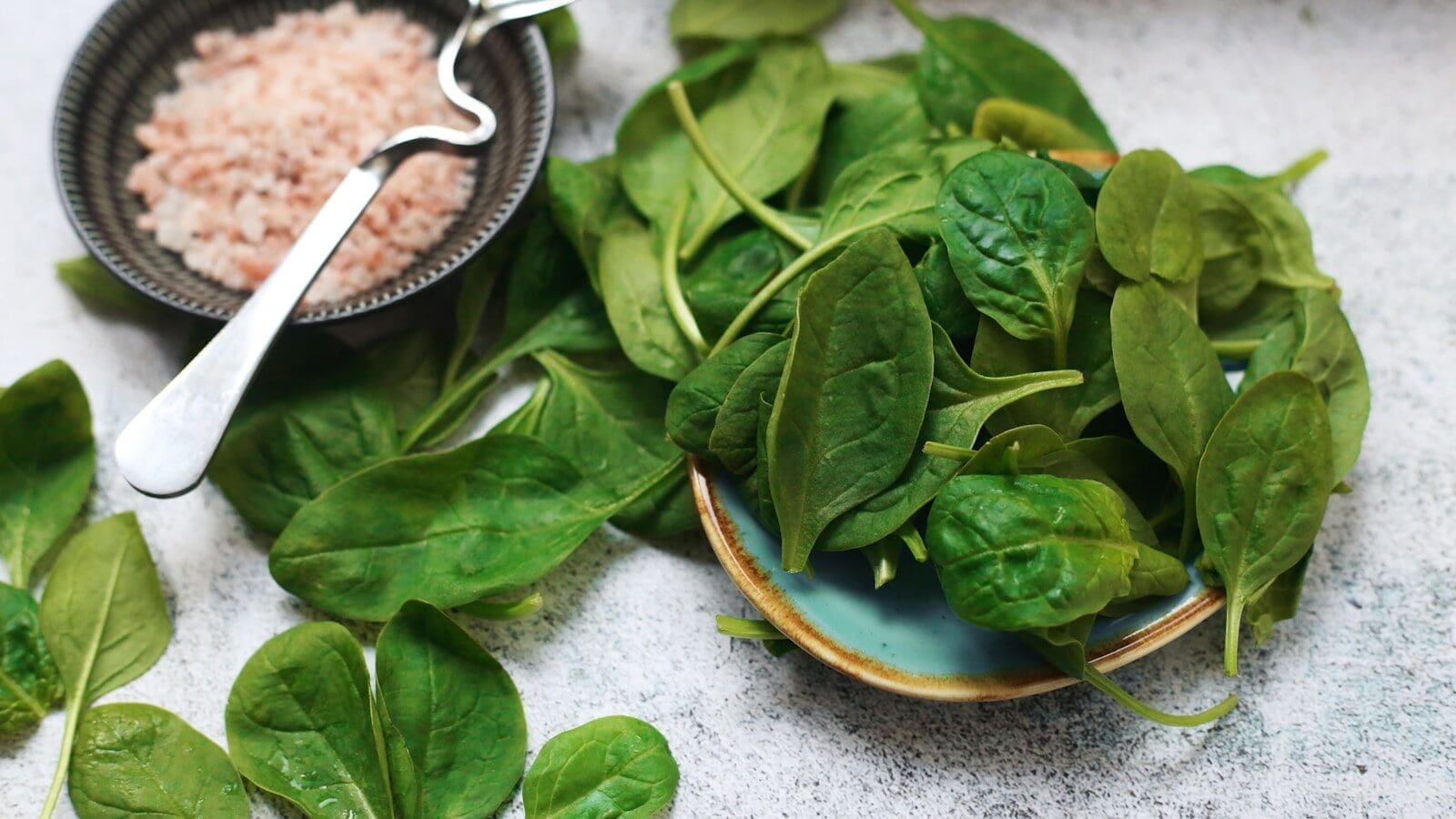
To harness this power, focus on incorporating plenty of fiber-rich plant foods into your daily meals. Oats, chia seeds, flaxseeds, beans, lentils, Brussels sprouts, and sweet potatoes are all excellent choices. Experts suggest aiming for at least 25 to 35 grams of fiber each day to truly support your digestive health and trigger the release of GLP-1.
Some Supplements May Help
While a balanced diet rich in fiber is the key to naturally supporting GLP-1 production, certain supplements may also enhance this process. Ingredients such as berberine, inositol, and probiotics have been studied for their potential to support healthy blood sugar levels and gut health, both of which are linked to GLP-1 activity. Berberine, for example, is known for its ability to help regulate glucose metabolism. Always consult with a naturopathic doctor or healthcare provider before introducing new supplements to ensure they align with your personal health needs and goals and do not interact negatively with other medications or conditions.
Protein Priority
Protein is an incredibly effective nutrient for managing appetite and maintaining lean muscle mass. As we age, preserving muscle becomes increasingly important for maintaining a healthy metabolic rate.
When protein breaks down into amino acids during digestion, those amino acids act as potent triggers for your intestinal L-cells. Research shows that protein promotes the release of GLP-1, helping to reduce overall food intake by sending strong fullness signals to your brain.
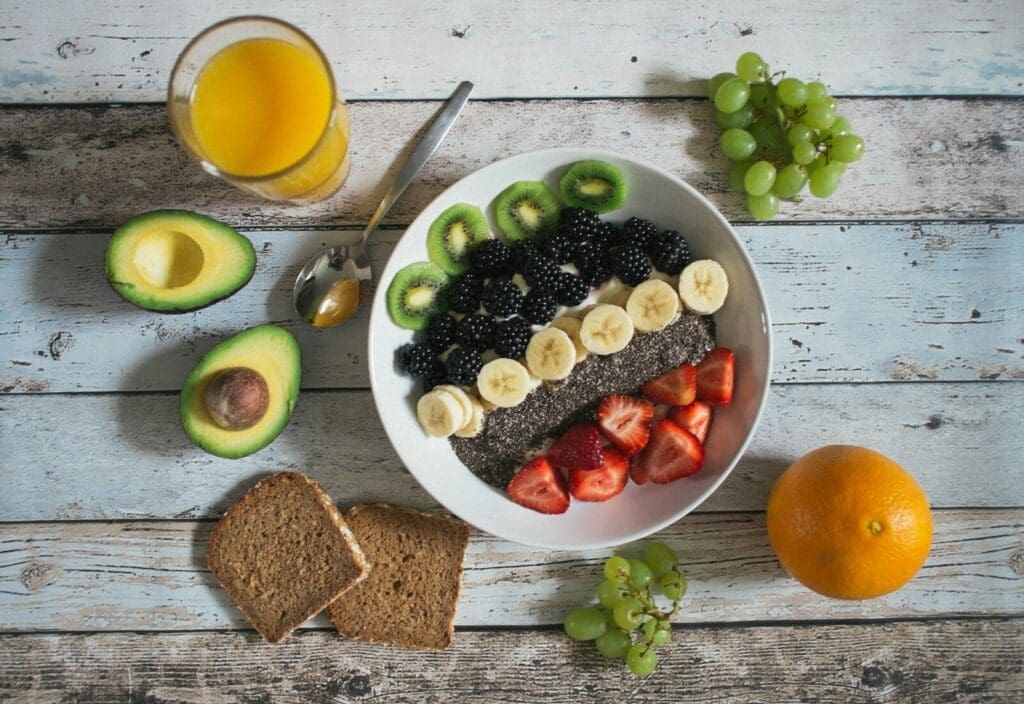
You can easily boost your protein intake by enjoying lean meats, poultry, wild-caught fish, and eggs. If you prefer plant-based options, beans, peas, lentils, and organic soy products are highly effective alternatives. Starting your day with a protein-rich breakfast is a wonderful strategy to stabilize your blood sugar right from the moment you wake up.
Healthy Fats
Fats often get a bad reputation, but healthy fats are crucial for hormonal balance and nutrient absorption. Including the right kinds of fat in your meals helps slow gastric emptying, meaning food stays in your stomach longer. This slow transit time extends your feeling of fullness and prevents rapid spikes in blood sugar.
Monounsaturated fats and Omega-3 fatty acids are particularly beneficial. They increase your body’s release of GLP-1 and support cardiovascular health. To reap these benefits, try drizzling extra virgin olive oil over your salads, adding a quarter of an avocado to your lunch, or snacking on a small handful of walnuts. Fatty fish like salmon, sardines, and mackerel are also phenomenal sources of Omega-3s that support both brain and metabolic health.
Gut Health and Fermentation
Your gastrointestinal tract is home to trillions of microorganisms. This complex ecosystem, known as the microbiome, plays a starring role in how your body metabolizes food and produces hormones. A thriving, diverse microbiome supports optimal L-cell function and improves insulin sensitivity.
When you consume probiotics and fermented foods, you introduce beneficial bacteria into this ecosystem. These beneficial microbes help break down nutrients and alter the way food moves in the gut, supporting the healthy fermentation processes required to produce short-chain fatty acids.
You can nurture your microbiome by enjoying a serving of fermented foods each day. Unsweetened kefir, organic yogurt, raw sauerkraut, kimchi, and miso are all fantastic options. A healthy gut environment translates directly to a more efficient metabolism and a stronger immune system.
Beyond the Plate: Movement, Sleep, and Stress
While nutrition provides the building blocks for hormone production, your lifestyle habits dictate how efficiently your body uses those blocks. Holistic health requires us to look beyond the plate and evaluate how we care for our bodies daily.
The Impact of Exercise
Moving your body intentionally is a powerful way to optimize your metabolism. Physical activity improves how your cells respond to insulin and encourages your digestive system to release more satiety hormones.
You do not need to spend hours running on a treadmill to see results. Consistency matters far more than intensity. Engaging in moderate-intensity activities like brisk walking, cycling, or swimming for about 30 minutes a day can make a significant difference. Incorporating strength training a few times a week is also highly recommended, as building lean muscle tissue supports long-term metabolic health.
Sleep Hygiene
Rest is non-negotiable when it comes to hormonal balance. Poor sleep quality directly affects your appetite-regulating hormones, often leading to increased cravings for sugary, carbohydrate-dense foods the next day. Furthermore, inadequate sleep can delay the peak release of GLP-1 after you eat.
Prioritize getting seven to nine hours of restorative sleep each night. Establishing a calming bedtime routine can help signal to your body that it is time to wind down. Consider turning off electronic devices an hour before bed, keeping your bedroom cool and dark, and avoiding heavy meals late in the evening.
Stress Management and Cortisol
Many women carry a heavy load of responsibilities, juggling careers, families, and personal obligations. Chronic stress causes your body to produce high levels of cortisol, the primary stress hormone. Elevated cortisol not only encourages the body to store fat around the midsection but also directly impairs the release of beneficial digestive hormones.
Managing stress is a critical component of holistic healing. Practices like deep belly breathing, journaling, spending quiet time in nature, or gentle yoga can help lower your cortisol levels. When your nervous system is in a calm, relaxed state, your digestive system functions much more efficiently.

Practical Mindful Eating Tips
How you eat is frequently just as important as what you eat. In our busy routines, it is incredibly common to rush through meals while answering emails or scrolling through phones. This hurried eating completely bypasses the body’s natural digestive cues.
Mindful eating involves slowing down and truly experiencing your food. Take time to sit at a table, free from distractions. When you chew your food thoroughly and take smaller bites, you give your digestive system the time it needs to recognize incoming nutrients. This deliberate pacing leads to a more pronounced hormone response and greater feelings of satisfaction.
Another highly effective strategy is food sequencing. The order in which you consume the items on your plate influences your blood sugar response. Try eating your fibrous vegetables and protein first, saving complex carbohydrates for the end of the meal. This simple sequencing trick slows down the absorption of sugars and enhances the secretion of satiety hormones.
Empower Your Healing Journey at Roots of Health
Navigating metabolic changes, hormone imbalances, or chronic illness can feel overwhelming when you try to do it alone. You deserve a healthcare partner who listens to your unique story, respects your experiences, and provides comprehensive, personalized care.
True healing involves addressing the root causes of your symptoms rather than just applying temporary fixes. By combining the best of natural, functional, and conventional medicine, you can create a rich, fulfilling lifestyle that supports your body’s innate ability to heal itself.
Are you ready to take the next step toward optimal health and vitality? I am here to support you with expert guidance and compassionate care. Schedule an appointment today to discuss ways to naturally support your body’s healing processes with me, Dr. Melissa McCarty, at Roots of Health Wellness in Seattle. Your health is too important to wait.
