
Could your favorite food or drinks prevent your medication from working properly?
You pick up a new prescription, read the label carefully, and head home to start your treatment. You are doing everything right to take care of your health. But what happens when the seemingly harmless foods and beverages you consume every day quietly alter how your medication works?
Food-drug interactions occur when the things we eat or drink change the effectiveness, absorption, or metabolism of our medications. Sometimes, these interactions make a drug less effective, leaving you without the relief you need. Other times, they can increase the amount of medication in your bloodstream, leading to unwanted or even dangerous side effects.
Understanding which hormones, enzymes, and bodily processes are affected by your diet is the first step. When you know what is happening inside your body, you can make informed decisions about your daily routine. Learn about the hidden interactions between your meals and your medicine cabinet. You can empower yourself to get the most out of your treatments safely and effectively.
How Food and Drink Interact with Medications
The human body’s response to a medication is incredibly complex. To understand how your meals might interfere with your prescriptions, it helps to look at the two main types of interactions: pharmacokinetic and pharmacodynamic.
Pharmacokinetic Interactions
It’s an unfamiliar word, but it’s simply how a drug interacts with and moves through the body. Pharmacokinetics refers to how your body absorbs, distributes, metabolizes, and excretes a drug. The food you eat can significantly alter these processes. According to a detailed pharmacological review from The Pharmaceutical Journal, dietary substances influence medications through several mechanisms:
- Gastric emptying: High-fat meals slow down your digestion. This delay can prolong the time it takes for a medication to reach the small intestine, changing how quickly the drug enters your system.
- Intestinal pH changes: Food naturally buffers your stomach acid. Since certain medications require a highly acidic environment to dissolve properly, eating can significantly reduce their absorption.
- Enzyme activity: Your liver and intestines use specific enzymes, particularly the cytochrome P450 (CYP) family, to metabolize drugs. Certain foods can inhibit or induce these enzymes. For example, grapefruit juice inhibits the CYP3A4 enzyme, leading to higher drug levels in your blood, while cruciferous vegetables can induce enzymes that clear drugs out of your system too quickly.
Pharmacodynamic Interactions
Pharmacodynamic interactions happen when food components directly modify the way a drug works in your body, without necessarily changing the concentration of the drug in your bloodstream. A classic example is consuming high amounts of vitamin K, which directly counteracts the blood-thinning effects of certain anticoagulants.
Common Culprits: Foods and Drinks to Watch Out For
If you are noticing unexpected side effects or feeling like your medication just isn’t working, your diet might hold the clues. Here are some of the most common foods and beverages known to interact with medications.
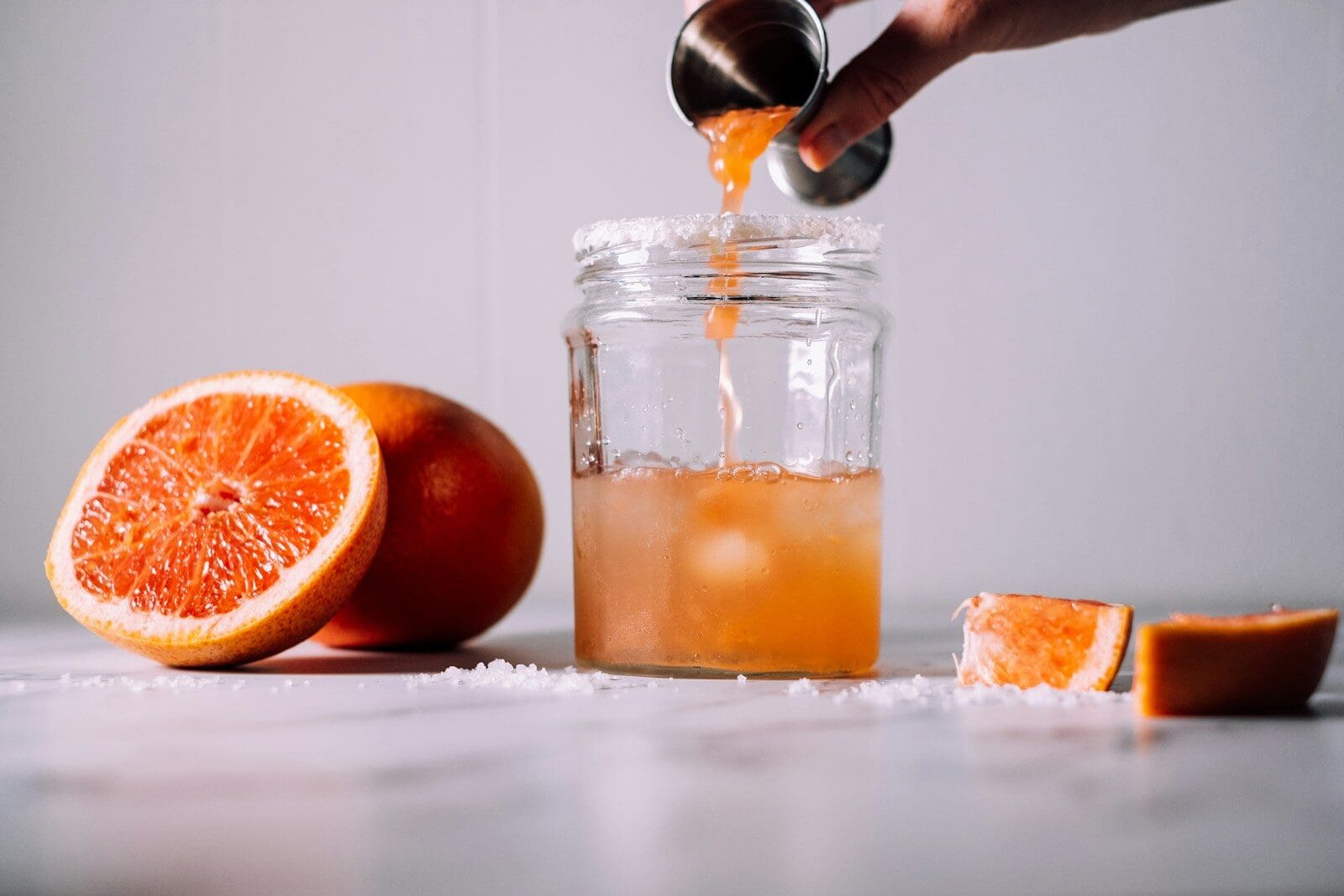
Grapefruit and Grapefruit Juice
It might seem like a healthy breakfast choice, but grapefruit can be a dangerous mix with many prescriptions. Grapefruit inhibits the CYP3A4 enzyme in your intestines. This prevents the breakdown of certain drugs, leading to increased drug levels and a higher risk of side effects. It affects more than 50 medications, most notably cholesterol-lowering statins and certain blood pressure medications.
Dairy Products (Milk, Cheese, Yogurt)
Milk does a body good, but the calcium found in dairy products can chelate, or bind, with specific antibiotics like tetracycline and ciprofloxacin. This binding creates insoluble complexes that your body simply cannot absorb, severely reducing the medication’s ability to fight off your infection.
Leafy Green Vegetables (Kale, Spinach, Broccoli)
Leafy greens are packed with nutrients, including high levels of Vitamin K. While wonderful for your overall health, Vitamin K plays a crucial role in blood clotting. If you are taking a blood thinner like warfarin (Coumadin), eating large, inconsistent amounts of these vegetables can counteract the medication’s effectiveness, putting you at a higher risk for blood clots.
Alcohol
Alcohol is a drug itself, and mixing it with prescribed medications is often a recipe for trouble. Alcohol can increase the risk of severe liver damage when combined with acetaminophen, raise the risk of stomach bleeding with NSAIDs (like ibuprofen), and amplify the sedative effects of sleep aids and antidepressants to dangerous levels.
Coffee, Tea, and Caffeine
Your morning cup of coffee can do more than just wake you up. The caffeine and compounds in coffee and tea can weaken the effects of certain antipsychotic medications like lithium or clozapine. Furthermore, the polyphenols in tea can bind to iron supplements and antidepressants, reducing their absorption.
Black Licorice
It probably seems like a harmless snack, but traditional black licorice contains a compound called glycyrrhizin. This substance can weaken the effects of blood pressure medications and diuretics, and it can increase the risk of toxicity if you are taking digoxin for heart failure.
Dark Chocolate
Rich dark chocolate contains caffeine and other stimulants. If you are taking sedatives or medications prescribed to help you sleep, such as zolpidem tartrate (Ambien), consuming dark chocolate can weaken the drug’s calming effects, leaving you tossing and turning.
Aged or Fermented Foods
Matured cheeses, cured meats, and fermented soy products are rich in an amino acid called tyramine. If you take monoamine oxidase (MAO) inhibitors—a specific class of antidepressants—consuming tyramine-rich foods can cause a sudden, severe, and potentially life-threatening spike in your blood pressure.
Iron Supplements
Taking an iron supplement can help boost your energy if you are deficient, but iron can easily bind to other medications in your digestive tract. For instance, iron can drastically lower the absorption and effectiveness of thyroid medications like levothyroxine (Synthroid). Even all-natural iron supplements like beef liver capsules can have this effect!
General Considerations for Safe Medication Use
Navigating the complex world of medication can feel overwhelming, but you do not have to figure it out alone. You can protect your health by following a few empowering strategies.
Timing is Key
When you take your medication matters just as much as what you take. Pay close attention to instructions regarding meals. For instance, thyroid medications like levothyroxine often need to be taken on an empty stomach, while antibiotics affected by calcium should be separated from dairy intake by at least two to four hours.
Read Labels and Consult Professionals
Always read the warning labels provided with your prescriptions and over-the-counter drugs. If you are unsure about how your current diet fits with a new prescription, consult your pharmacist or naturopathic doctor. They are there to support you and clarify any confusing guidelines.
Maintain Consistency
For certain medications, like blood thinners, maintaining a consistent diet is crucial. You do not necessarily have to completely ban leafy greens from your life, but keeping your daily intake of Vitamin K steady allows your doctor to accurately adjust your medication dose to match your lifestyle. If you’re on blood thinners, don’t go wild having spinach and natto with every meal.
Do Not Self-Adjust
If you suspect a food is interfering with your medication, never stop taking your prescription or change the dosage on your own. Altering your medication without professional guidance can lead to serious health complications. Always reach out to your healthcare provider to discuss your concerns and explore safe alternatives.
Taking Charge of Your Medication Safety
Understanding the balance between foods you enjoy and medications you rely on is a vital part of protecting your well-being. By staying informed about potential food-drug interactions, you are actively participating in your own healthcare journey. Remember, the goal is not to fear your food. The goal is a harmonious relationship between your diet and your treatments. If you’re not getting the results you want from your medication, a comprehensive review of all your medications, cross-referenced with your typical diet, may help!
The key is to be proactive about your health rather than waiting for problems to worsen. If you’re experiencing unusual symptoms or want peace of mind that comes with expert guidance, I’m here to help. Reach out to schedule a comprehensive medication review and assessment with me, Dr. Melissa McCarty by visiting the appointment page. Take the first step toward optimal, vibrant health today!