When we were in our 20s, working out was about looking cute in jeans; in our 50s (and beyond), working out is about so much more! It’s about staying strong, staying healthy, fighting off osteoporosis, and maintaining cardiac health. It’s about living life free of the worry of falls and breaks. It’s about making an investment now to ensure you can live independently in the future!
But, Dr. McCarty, I can hear you saying, ever since I turned 50, my body isn’t responding the way it used to! My friend, you are not alone. Hormone shifts change how your body uses and maintains muscle and bone. What used to “just work” for fitness or weight management may not any longer.
During this (peri)menopausal transition, your body naturally starts to lose muscle and bone. Less muscle means less stability, less reserve for busy days, and more fatigue. Thinner bones increase the risk of fractures. But here’s the encouraging news: strength training tells your body to hold on to muscle, to support your joints, and to keep your bones as strong as possible.
You might think that starting to lift weights in your 50s is too late, or that you need special equipment or a gym membership. Neither is true. Research shows that even modest strength training—just once a week—can make a real difference in how you feel, move, and live.
Let’s explore why resistance training is such a powerful tool for women over 50, and how you can start building strength safely and sustainably.
Understanding What Your Muscles and Bones Need After 50
Around age 30 to 35, muscle mass and strength reach their peak. After that, they begin to decline slowly, then more rapidly after age 65 for women and 70 for men, according to findings from the National Institute on Aging’s Baltimore Longitudinal Study of Aging.
This gradual loss of muscle mass, strength, and power is called sarcopenia. About 30% of adults over age 70 have trouble with walking, getting up out of a chair, or climbing stairs. These limitations are linked to higher rates of falls, chronic disease, and loss of independence.
But sarcopenia is not a one-way street. Muscles remain responsive to strength training, even in later decades. When you challenge your muscles with resistance, they adapt and grow stronger—regardless of your age.
How Hormones Affect Muscle and Bone
During perimenopause and postmenopause, estrogen and progesterone levels change. According to the Mayo Clinic, menopause has a multisystem effect. It can affect literally every part of the body, from the top of your head to the bottom of your feet.
These hormonal changes make the body more prone to muscle breakdown, bone loss, and shifts in fat storage. Putting stress on bones during perimenopause and after menopause can increase bone density and reduce the risk of osteoporosis. This is precisely why building skeletal health is especially important during this life stage.
Why Resistance Training Is Such A Powerful Tool
Strength training does more than build muscle. It supports multiple systems in your body at once. Here’s what regular resistance training can do for you:
Supports Metabolism and Weight Management
Increased muscle mass boosts your metabolism and daily calorie burn. Muscle tissue burns more calories than fat tissue, even when you’re resting. This can help you maintain a healthy weight and manage body composition changes that often come with menopause.
Improves Posture and Joint Health
Strong muscles support your joints and spine, reducing aches and stiffness. Better posture means less strain on your back and neck, which can improve comfort throughout your day.
Enhances Balance and Fall Prevention
Strengthening your core and lower body provides your body with a more stable base. Better balance means you’re less likely to fall—and if you do stumble, you have the strength to catch yourself. Research shows that increased strength training reduced both sudden injuries and overuse injuries.
Builds Bone Density
Weight-bearing exercises stimulate tissue growth that makes your bones stronger. These exercises are key to bone health because they force the body to work against gravity, creating stress that stimulates your bone-forming cells to increase bone mineral density, strength, and structural quality. This can protect against osteoporosis and bone fractures.
Benefits Heart Health
Strength training can reduce cardiovascular disease risk factors, like high blood pressure and high cholesterol ( for more, see my article on perimenopausal heart health here), helping your heart function more efficiently. It’s not just aerobic exercise that benefits your heart—resistance training plays an important role too.
Supports Mental Well-Being
Exercise triggers the release of endorphins—those feel-good hormones that boost mood and reduce stress. A study of rural aging women found that “strength training was associated with significant improvements in several dimensions of body image, health-related quality of life, and physical activity behaviors.”
Extends Your Life
Researchers have found that muscle-strengthening activities reduce your chance of premature death by 10% to 17%.
With smart, consistent strength training, you can slow or even reverse much of the muscle and bone loss that often gets blamed on aging alone.
Getting Started: What You Need to Know
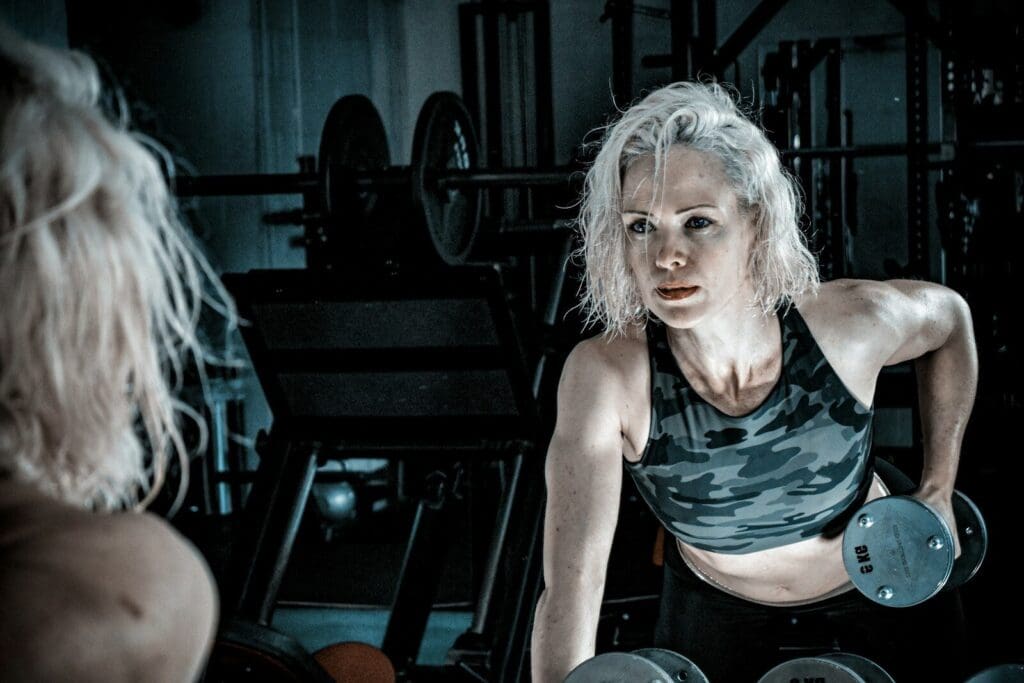
If you’re new to strength training, the good news is you don’t need to start with heavy barbells or expensive gym memberships. Rather than jumping straight into dumbbells, try exercising with resistance bands or using your body’s weight to create resistance while exercising.
Types of Strength Training
Here are several approaches you can explore:
Body weight exercises: Push-ups, squats, planks, wall sits, and lunges use only your body mass and gravity as resistance.
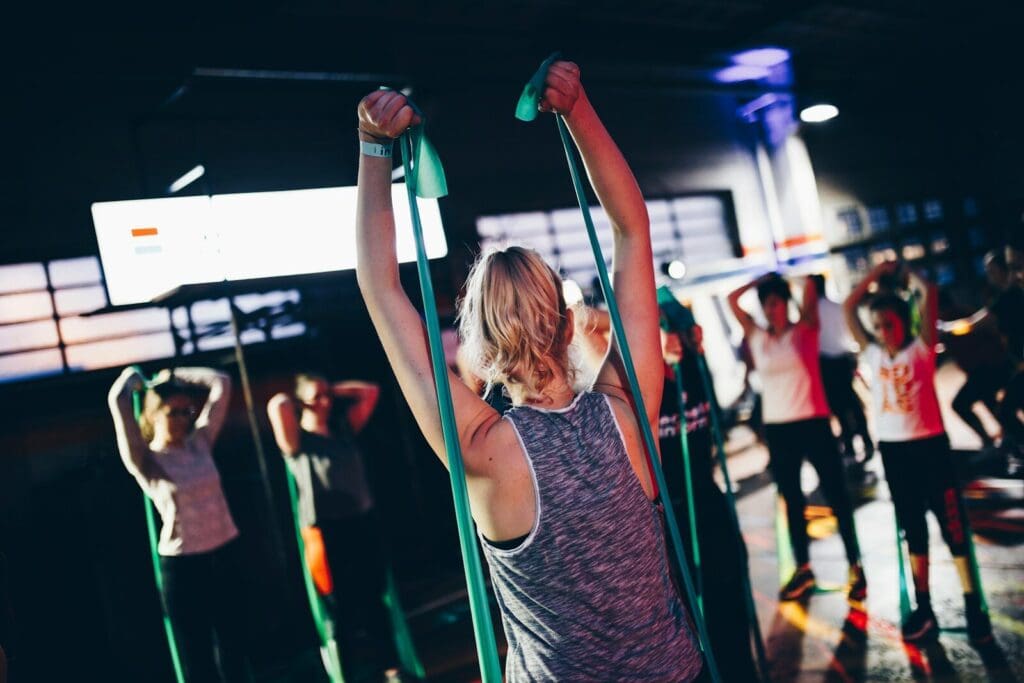
Resistance bands: These stretchy bands work your muscles just like weights while being easier on your joints.
Free weights: Once you’re comfortable with bodyweight movements, you can add dumbbells, kettlebells, or medicine balls.
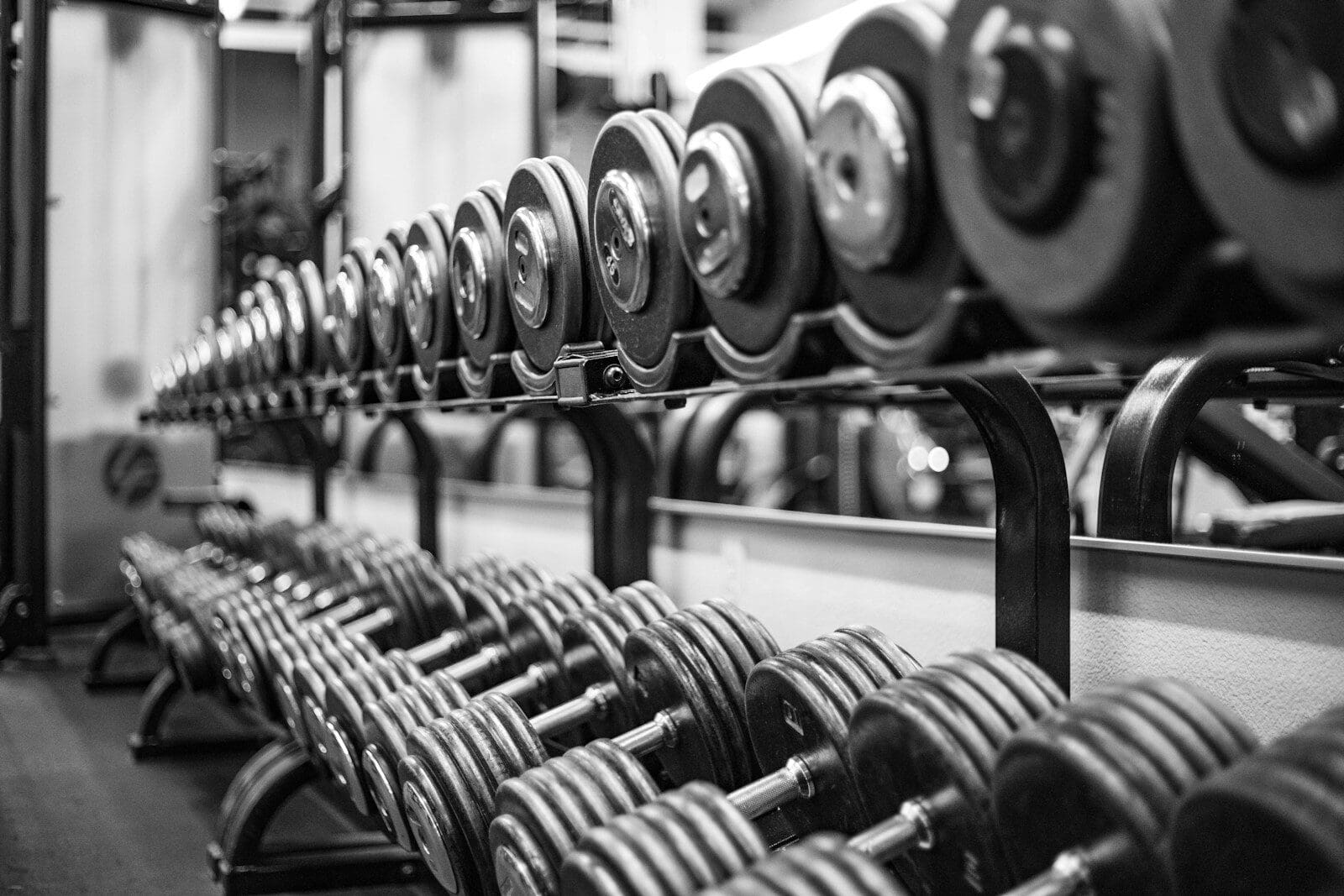
Weightlifting machines: These feature systems of pulleys and levers that guide your movements and can be helpful when learning proper form.
How Often Should You Train?
You might be surprised to learn that you don’t need to spend hours in the gym. Research published in the British Journal of Sports Medicine found that “one set of exercises performed once weekly to muscle fatigue improved strength as well as twice a week in the older adult.”
The National Institute on Aging recommends that older adults try to get strength training in the mix one to two times per week. Even exercising once a week can make a meaningful difference.
A study on the Strong Women Program used sessions lasting approximately one hour, consisting of five minutes of warm-up, 40 minutes of strength training, five minutes of balance training, and five minutes of cool-down stretching. Sessions ran for 8 to 12 weeks, with two 60-minute classes per week on nonconsecutive days.
Starting with two sessions per week on nonconsecutive days is ideal, but if that feels overwhelming, begin with once a week and build from there.
Safety, Injury Prevention, And Recovery Strategies
Safety should always come first. Here’s how to protect yourself as you build strength:
Start Slow and Focus on Form
Gradually increase intensity and focus on proper technique to avoid injury. It’s better to do fewer repetitions with good form than many repetitions with poor form.
Listen To Your Body
Pain is different from discomfort. Muscle fatigue and a gentle burn are normal. Sharp pain, joint discomfort, or pain that persists after your workout are signals to stop and reassess.
Prioritize Recovery
Muscles grow, and bones adapt during recovery, not during the workout itself. Make sure you’re getting adequate sleep and giving your body at least 48 hours between sessions that work the same muscle groups.
Fuel Your Body Properly
Nutrition plays a crucial role in supporting your strength training efforts. Focus on:
Protein at each meal to supply amino acids for muscle repair
Colorful plants for antioxidants and fiber (eat the rainbow!)
Healthy fats to support hormones and joint comfort
Hydration, especially if you notice headaches or fatigue after workouts
Women approaching or passing menopause can build bone health by adopting a healthy diet, including foods high in vitamin D such as fortified milk, cereal, and fatty fish like salmon, mackerel, and sardines, and high in calcium, including dairy products, almonds, broccoli, kale, salmon, sardines, and soy products.
If you’re not getting enough vitamin D from your diet, talk with your healthcare provider about supplements.
Know When To Seek Professional Guidance
Certain signs should prompt a visit to your healthcare provider, including:
- Experiencing burning pains or aches in your bones
- Breaking a bone from a simple fall
- Taking medications that suppress your immune system, or corticosteroids
- A family history of osteoporosis
- An autoimmune disease, such as rheumatoid arthritis
- An X-ray showing bone thinning (osteopenia)
Maintaining Motivation And Building Long-Term Consistency
Starting a new exercise routine is one thing. Sticking with it is another. Here are strategies to help you stay motivated:
Set Realistic Goals
A good goal is about 150 minutes per week of moderate-level exercise, but you see benefits even at lower levels. Start where you are and build gradually.
Find What You Enjoy
Some people love group exercise classes. Others prefer a solitary routine to clear their head. Try different approaches until you find what works for you. Even taking a walk with a friend while you wear a weighted vest is a good start!
Track Your Progress
Keep a simple log of the weights you lift or how many repetitions you complete. Watching yourself get stronger is incredibly motivating.
Shift Your Inner Dialogue
The way you talk to yourself about exercise matters as much as picking the right exercises. Instead of “I have to work out,” try “I get to take care of my body.” Instead of focusing on what you can’t do yet, celebrate what you can do now.
Join A Community
Exercising with others—whether in person or virtually—provides accountability and encouragement. The Strong Women Program study showed that participants not only got stronger but also reported: “significantly higher levels of physical activity satisfaction—feeling increased levels of enjoyment for physical activity.”
Taking The First Step Toward A Stronger Future
You don’t need to be perfect. You don’t need fancy equipment. You just need to start.
Even if you can only manage one session per week, that’s enough to begin changing how your body responds to the demands of daily life. Research confirms that one set of exercises performed once weekly improved strength in older adults—proof that consistency matters more than intensity when you’re just beginning.
Strength training isn’t about becoming a bodybuilder or competing in fitness competitions. It’s about maintaining your independence, reducing your risk of injury, protecting your bones, and feeling confident in your body for decades to come.
If you’re ready to add strength training and proper nutritional support to your routine, schedule an appointment with me, Dr. Melissa McCarty, to create a personalized plan that fits your unique needs and goals. Remember, the most important step is the next one you actually take. Take care of your muscles, and they will take care of you!